Loading…
← All schools
Yeshiva Gedolah Shaarei Shmuel
Lakewood, NJprivate nonprofityeshivagedolahshaareishmuel.com
- Acceptance rateThe share of applicants a college admits in a given year. A 10% acceptance rate means it admits about 1 in 10 applicants.
- 54%
- Undergrad enrollment
- 150
- Net priceWhat a family actually pays after grants and scholarships are subtracted from the sticker price — usually far less than the published cost.
- $15,086
- In-state tuition
- $10,600
- Out-of-state tuition
- $10,600
- Net Price
- $19,850
- Room & Board
- $2,800
- Acceptance Rate
- 53–54%
- Single Major Offered
- Talmudic and Rabbinical Studies
- Total Undergraduates
- 77
- Graduation Rate (4-year)
- 6–18%
- Student-to-Faculty Ratio
- 26:1
- Annual Cost (Tuition + Fees)
- $17,128–$17,736
Quick answers
- What is the acceptance rate at Yeshiva Gedolah Shaarei Shmuel?
- Yeshiva Gedolah Shaarei Shmuel's acceptance rate is approximately 54% (Lakewood, NJ), based on the most recent figures we compiled from public and primary sources.
- How much does Yeshiva Gedolah Shaarei Shmuel cost?
- At Yeshiva Gedolah Shaarei Shmuel, the average net price (after aid) is about $15,086 per year. Actual cost varies with financial aid and residency.
- How many undergraduates attend Yeshiva Gedolah Shaarei Shmuel?
- Yeshiva Gedolah Shaarei Shmuel enrolls approximately 150 undergraduate students.
- Where is Yeshiva Gedolah Shaarei Shmuel located?
- Yeshiva Gedolah Shaarei Shmuel is located in Lakewood, NJ.
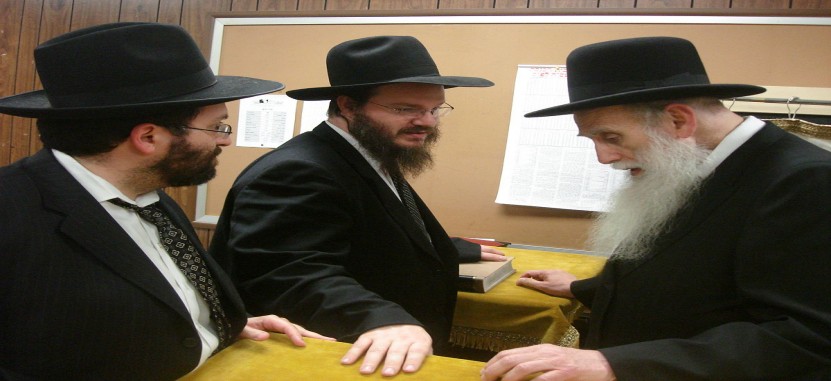
Yeshiva Gedolah Shaarei Shmuel is a small, ultra-Orthodox Jewish seminary in Lakewood, NJ, where the entire academic focus is Talmudic and rabbinical studies. With an acceptance rate hovering around 54%, it attracts students deeply committed to religious scholarship—evidenced by a student body of just 77 undergraduates and a graduation rate as low as 18% (by some measures). Days are structured around intensive Torah study, with minimal secular coursework.
Admissions
Yeshiva Gedolah Shaarei Shmuel admits roughly half of its applicants, with Acceptance rateThe share of applicants a college admits in a given year. A 10% acceptance rate means it admits about 1 in 10 applicants. ranging from 53% to 54.2% across sources. The school received 120 applications for the 2024 cycle, admitting 65 students. Notably, SAT/ACT scores are neither required nor recommended—a reflection of its specialized religious mission. The admissions process appears selective but not fiercely competitive, placing it in the top 18% of U.S. institutions by selectivity (though this likely reflects its niche audience rather than broad appeal). Graduation rates are strikingly low (18%-26%), suggesting many students leave before completing the program.
Sources
- Common Data Set: Home
- [PDF] Common Data Set 2023-2024 - Chestertown - Washington College
- Yeshiva Gedolah Shaarei Shmuel - BigFuture College Search
- Yeshiva Gedolah Shaarei Shmuel | Data USA
- [PDF] Common Data Set 2024-2025 - Institutional Data @ Lehigh
- Yeshiva Gedolah Shaarei Shmuel - College Scorecard
- Yeshiva Gedolah Shaarei Shmuel Admissions - BigFuture
- Yeshiva Gedolah Shaarei Shmuel Admissions & Acceptance - Niche
- Yeshiva Gedolah Shaarei Shmuel Acceptance Rate and SAT/ACT ...