Loading…
← All schools
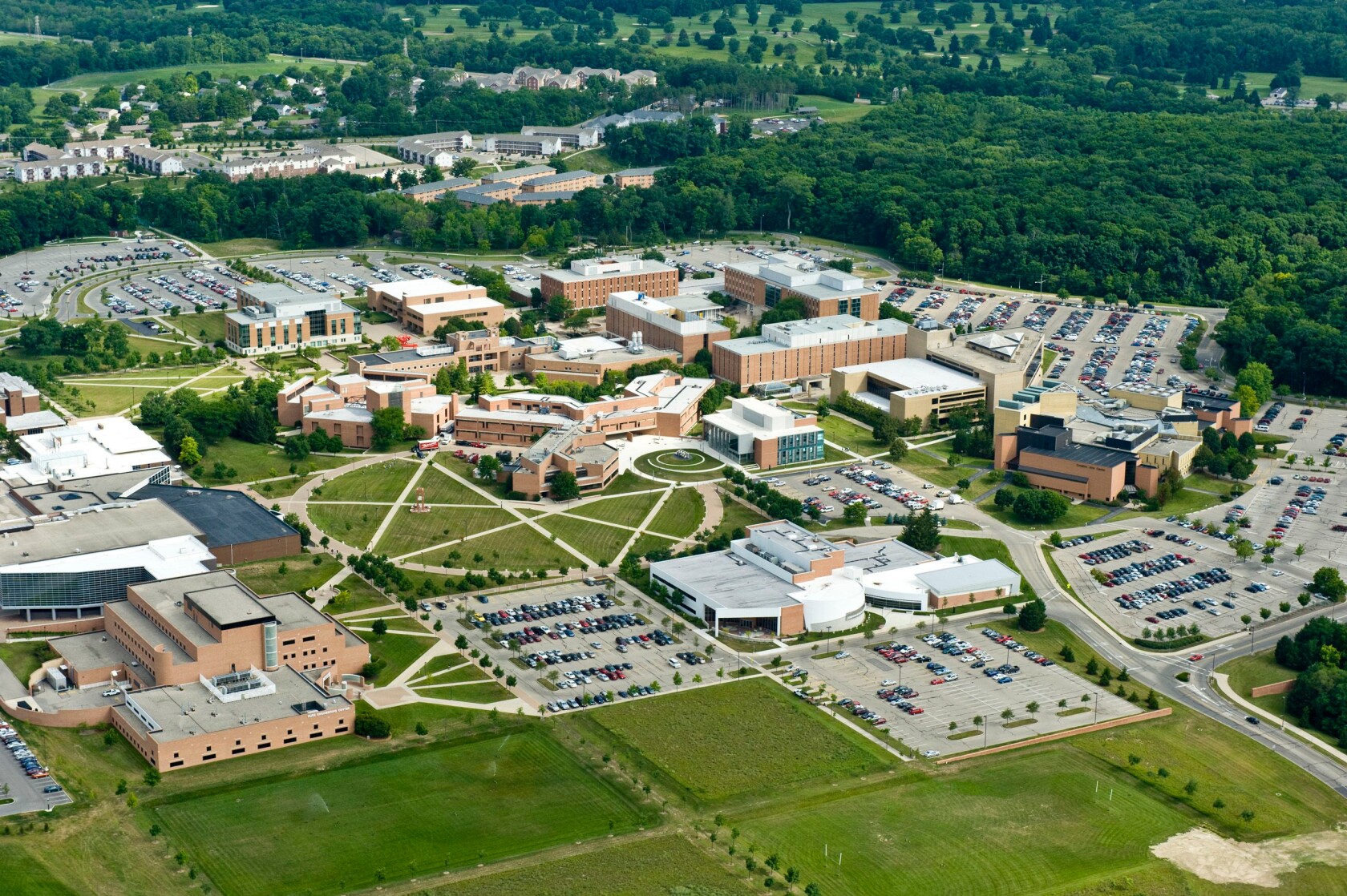
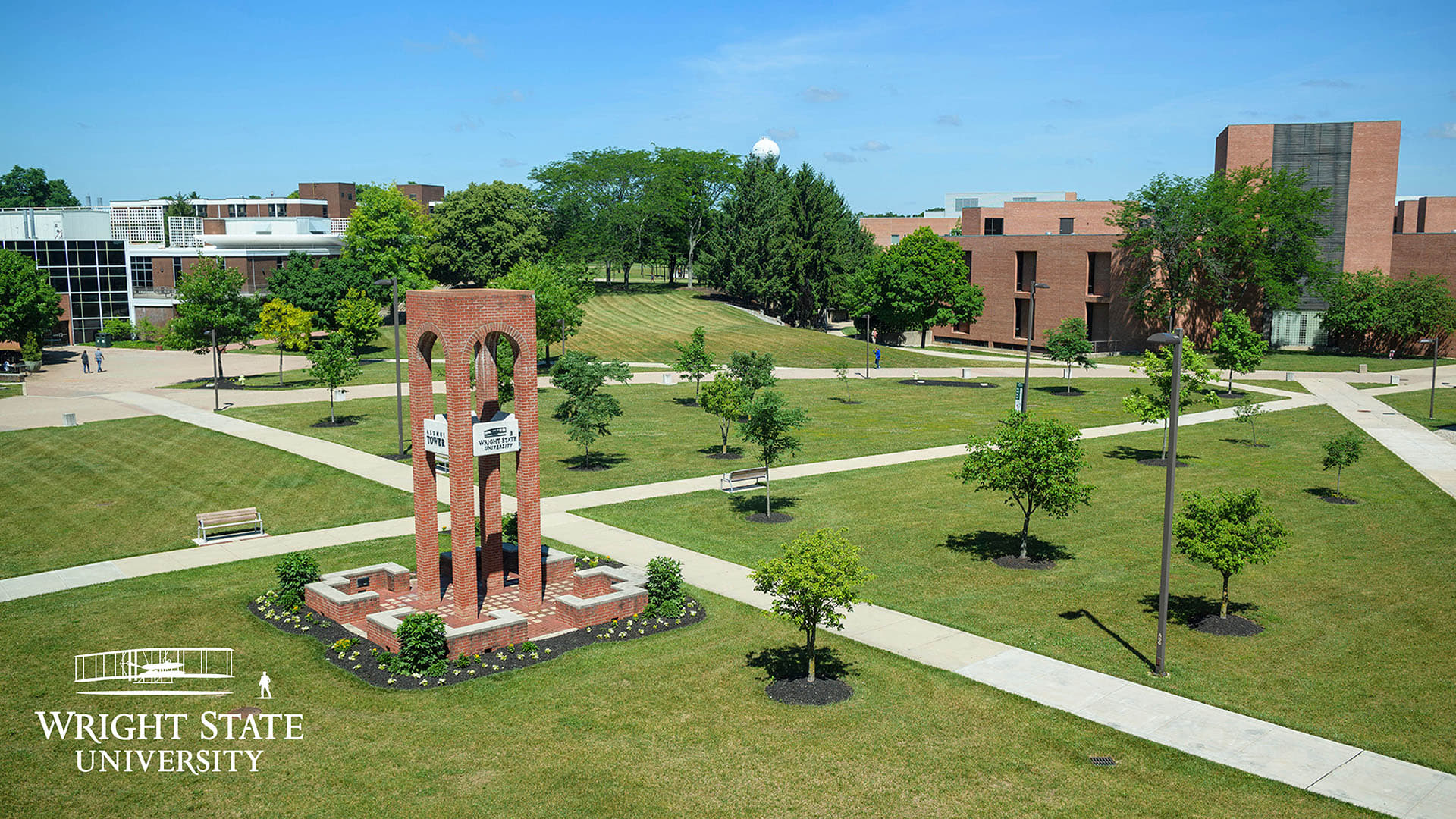
Wright State University-Main Campus
Dayton, OHpublicwright.edu
- Acceptance rateThe share of applicants a college admits in a given year. A 10% acceptance rate means it admits about 1 in 10 applicants.
- 96%
- Undergrad enrollment
- 6,762
- Net priceWhat a family actually pays after grants and scholarships are subtracted from the sticker price — usually far less than the published cost.
- $15,415
- In-state tuition
- $11,522
- Out-of-state tuition
- $21,222
- Housing
- 30% on-campus
- Top Major
- Nursing
- Avg. Net Price
- $15,650
- Acceptance Rate
- 96%
- Graduation Rate
- 42% (6-year)
- Student-Faculty Ratio
- 14:1
- Median Salary (6 Years Out)
- $42,229
Quick answers
- What is the acceptance rate at Wright State University-Main Campus?
- Wright State University-Main Campus's acceptance rate is approximately 96% (Dayton, OH), based on the most recent figures we compiled from public and primary sources.
- How much does Wright State University-Main Campus cost?
- At Wright State University-Main Campus, the average net price (after aid) is about $15,415 per year. Actual cost varies with financial aid and residency.
- How many undergraduates attend Wright State University-Main Campus?
- Wright State University-Main Campus enrolls approximately 6,762 undergraduate students.
- Where is Wright State University-Main Campus located?
- Wright State University-Main Campus is located in Dayton, OH.
Wright State University in Dayton, Ohio, is a public institution with an open-door admissions policy and a pragmatic, career-focused academic lineup. Known for its nursing, business, and engineering technology programs, it serves a largely commuter student body with affordable tuition and solid regional job placement—though its 42% graduation rate signals challenges with retention.
Admissions
Wright State operates with a 96% acceptance rate, making it one of Ohio's most accessible public universities. The school admits nearly all applicants who meet the baseline requirement of a 2.0 GPA and completion of the Ohio Core Curriculum (or equivalent). Test scores are considered but not emphasized—the middle 50% SAT range isn't published, suggesting a Holistic admissionsA review that weighs the whole applicant — grades, essays, activities, and context — rather than relying on test scores and GPA alone. process for the few applicants who face scrutiny. Notably, only about 30% of admitted students enroll, indicating many use Wright State as a safety school.
- Acceptance Rate: 96.3% (8,530 admitted from 8,855 applicants in 2024)
- Minimum Requirements: 2.0 GPA, Ohio Core Curriculum completion
- Yield Rate: ~30% (estimated from enrollment vs. acceptance data)
Sources
- Common Data Set | Office of Institutional Research & Effectiveness
- [PDF] Common Data Set 2024-2025 - Wright State University
- 2023-2024 Common Data Set - Wright State University Lake Campus
- Wright State University-Main Campus - IPEDS
- Institutional Surveys | Financial Operations - Wright State University
- Common Data Set: Home
- Wright State University Admissions - BigFuture College Search
- Wright State University SAT Scores and GPA - PrepScholar
- Wright State University - Niche
- Wright State University-Main Campus (out-of-state) - College Raptor