Loading…
← All schools
Wood County Technical Center-Practical Nursing
Parkersburg, WVpublicwoodcountyschoolswv.com
- Acceptance rateThe share of applicants a college admits in a given year. A 10% acceptance rate means it admits about 1 in 10 applicants.
- 75%
- Undergrad enrollment
- 31
- Net priceWhat a family actually pays after grants and scholarships are subtracted from the sticker price — usually far less than the published cost.
- $2,248
- Location
- Parkersburg, WV
- Program Length
- 1 year
- Acceptance Rate
- 75%
- Graduation Rate
- 50-100% (sources vary)
- Institution Type
- 1-Year, Public
- Average Net Price
- $4,063-$5,787
- Books/Supplies Cost
- $2,380
- Non-Resident Tuition
- $6,343
- Total Undergraduates
- 30
- Tuition for WV Residents
- Free
Quick answers
- What is the acceptance rate at Wood County Technical Center-Practical Nursing?
- Wood County Technical Center-Practical Nursing's acceptance rate is approximately 75% (Parkersburg, WV), based on the most recent figures we compiled from public and primary sources.
- How much does Wood County Technical Center-Practical Nursing cost?
- At Wood County Technical Center-Practical Nursing, the average net price (after aid) is about $2,248 per year. Actual cost varies with financial aid and residency.
- How many undergraduates attend Wood County Technical Center-Practical Nursing?
- Wood County Technical Center-Practical Nursing enrolls approximately 31 undergraduate students.
- Where is Wood County Technical Center-Practical Nursing located?
- Wood County Technical Center-Practical Nursing is located in Parkersburg, WV.
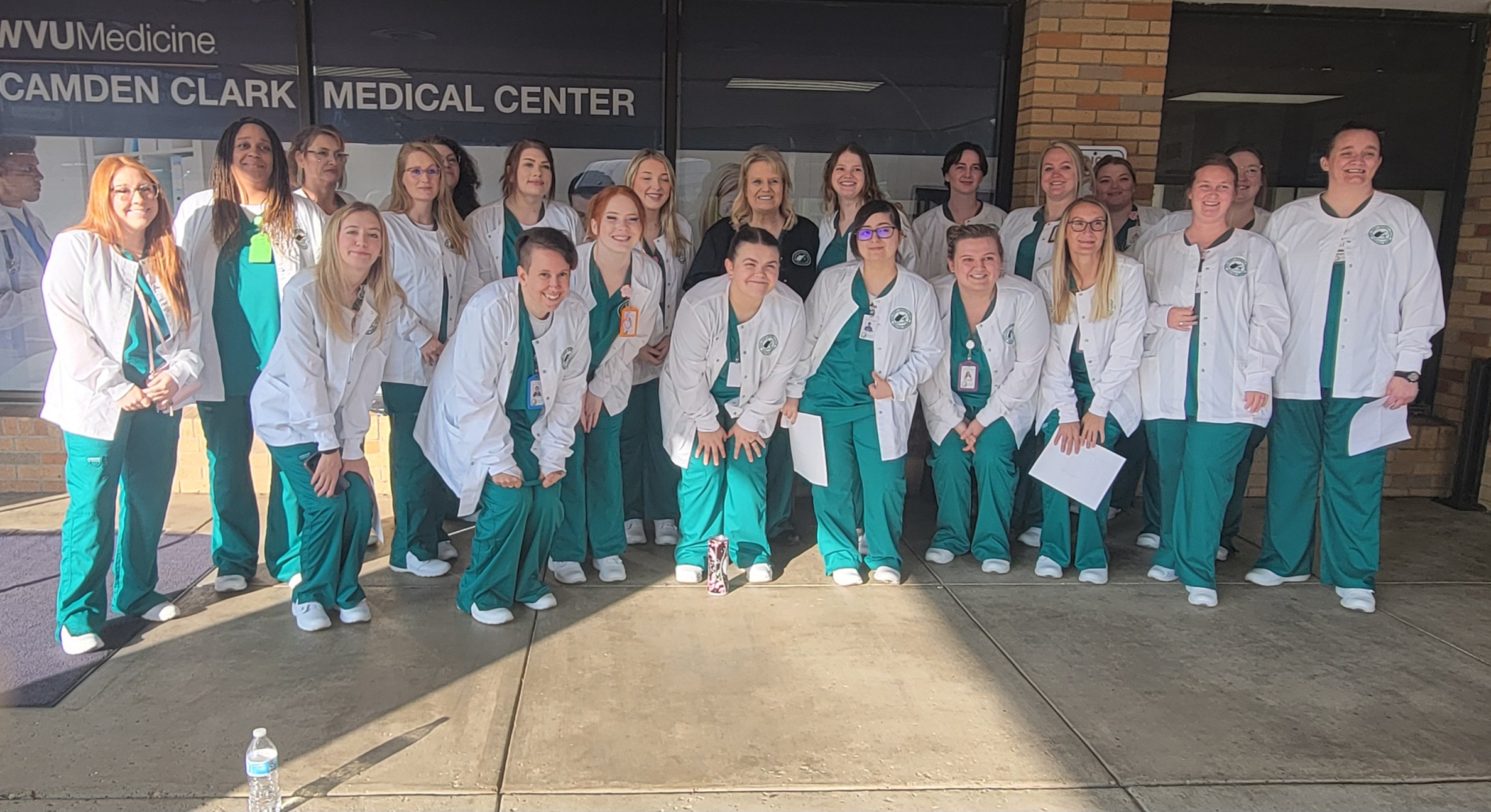
Wood County Technical Center-Practical Nursing is a hyper-focused, no-frills vocational school in rural West Virginia that trains students for immediate entry into healthcare as licensed practical nurses. With free tuition for state residents, a 75% acceptance rate, and a tiny cohort of just 30 students, it’s a direct pipeline to in-demand jobs—though its 50% graduation rate suggests the intensive 1-year program isn’t for the faint of heart.
Admissions
Getting into Wood County’s Practical Nursing program is more accessible than most nursing schools, with a 75% acceptance rate (only 4 applicants were recorded in 2024). The program is tiny—just 28-30 undergraduates total—making it an intimate, high-touch environment. Notably, West Virginia residents can attend tuition-free thanks to a state-funded initiative, though fees and supplies still apply. The application requires releases of information and a handbook review, signaling the program’s emphasis on professionalism from day one.
Sources
- Wood County Technical Center-Practical Nursing - Data USA
- Institution Data Profile - Wood County Technical Center-Practical ...
- Wood County School of Practical Nursing - CFWV.com
- Wood County Technical Center-Practical Nursing Statistics - Overgrad
- Adult Practical Nursing | Wood County Technical Center and ...
- The Wood County Technical Center offers free tuition for the Adult ...
- Wood County School of Practical Nursing - Niche
- Wood County Technical Center-Practical Nursing - EDsmart
- Wood County Technical Center-Practical Nursing