Loading…
← All schools
Winthrop University
Rock Hill, SCpublicwww.winthrop.edu/
- Acceptance rateThe share of applicants a college admits in a given year. A 10% acceptance rate means it admits about 1 in 10 applicants.
- 79%
- SAT 25th-75th percentileThe middle range of SAT scores for admitted students: a quarter scored below the low number and a quarter scored above the high number.
- 1010–1220
- Undergrad enrollment
- 3,523
- Net priceWhat a family actually pays after grants and scholarships are subtracted from the sticker price — usually far less than the published cost.
- $15,343
- In-state tuition
- $14,678
- Out-of-state tuition
- $28,676
- Type
- Public
- Founded
- 1886
- Location
- Rock Hill, SC
- Middle 50% SAT
- 1020–1200
- Acceptance Rate
- 79%
- On-Campus Housing
- 47% of students
- Avg High School GPA
- 4.06
- Undergrad Enrollment
Quick answers
- What is the acceptance rate at Winthrop University?
- Winthrop University's acceptance rate is approximately 79% (Rock Hill, SC), based on the most recent figures we compiled from public and primary sources.
- What SAT score do you need for Winthrop University?
- Admitted students at Winthrop University typically score 1010–1220 on the SAT (the middle-50% range). Scores outside this band are still admitted, especially with strong applications.
- How much does Winthrop University cost?
- At Winthrop University, the average net price (after aid) is about $15,343 per year. Actual cost varies with financial aid and residency.
- How many undergraduates attend Winthrop University?
- Winthrop University enrolls approximately 3,523 undergraduate students.
- Where is Winthrop University located?
- Winthrop University is located in Rock Hill, SC.
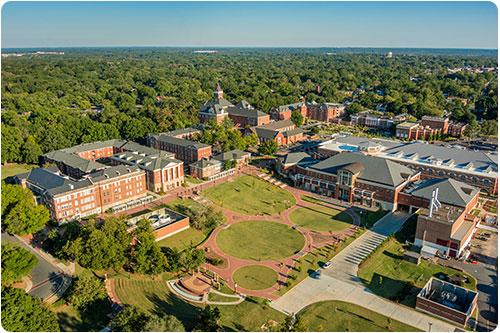
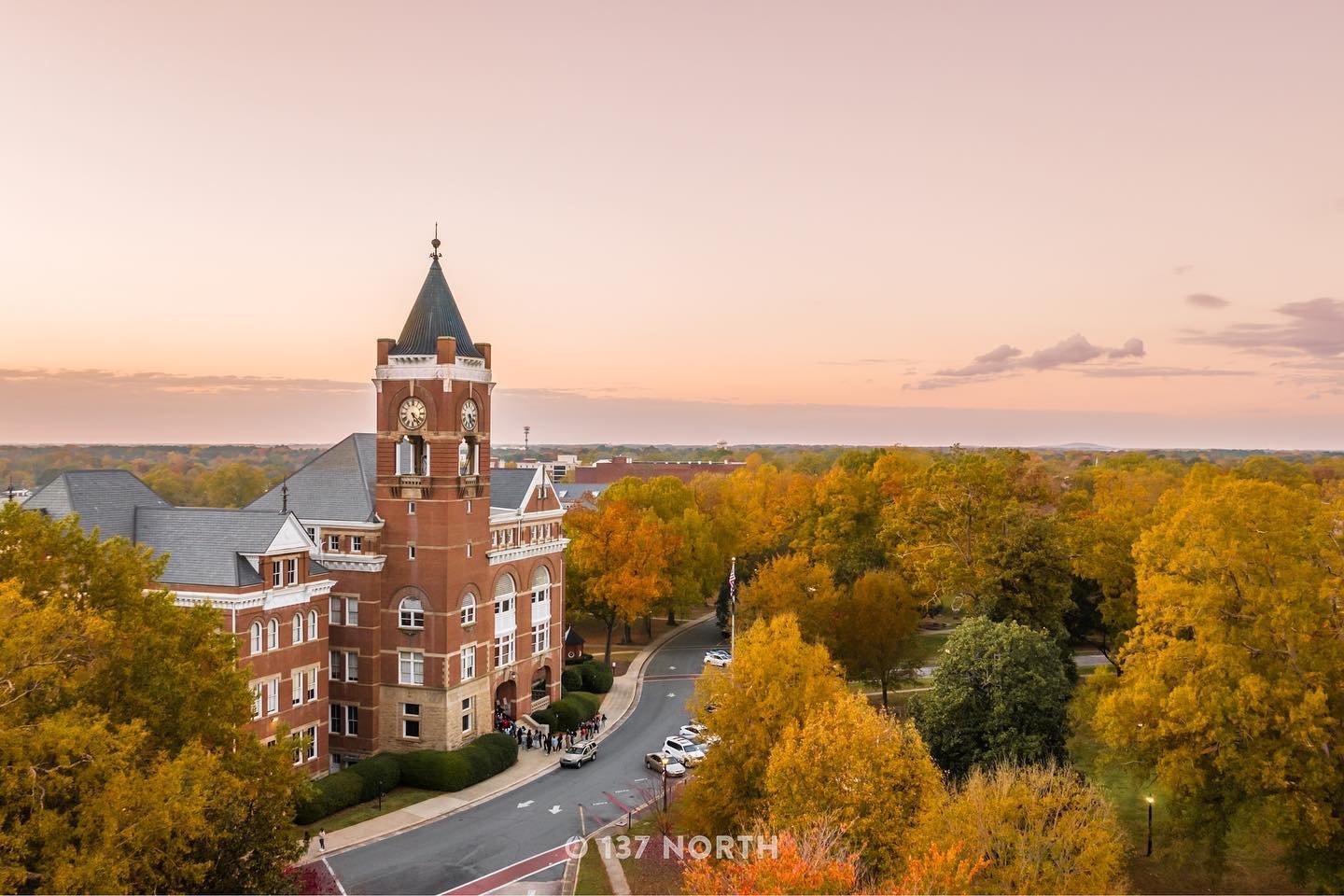
Winthrop University is a public liberal arts institution in Rock Hill, South Carolina, where nearly 80% of applicants get in—but those who stay find a tight-knit campus with standout programs in education, business, and the arts. With a 61% six-year graduation rate (above the national average for public universities) and an emphasis on undergraduate research, Winthrop punches above its weight for a regional comprehensive school. Its 5,000-odd students split almost evenly between on- and off-campus housing, creating a hybrid commuter/residential vibe.
Admissions
Winthrop’s admissions process leans accessible, with a 79% Acceptance rateThe share of applicants a college admits in a given year. A 10% acceptance rate means it admits about 1 in 10 applicants. and middle-50% SAT scores between 1020–1200 for enrolled freshmen. The average admitted student sports a 4.06 high school GPA, suggesting a preference for strong performers in rigorous curricula over standardized test stars. Transfer students face slightly steeper odds (64% acceptance rate) and must submit SAT/ACT scores. The admissions office emphasizes Holistic admissionsA review that weighs the whole applicant — grades, essays, activities, and context — rather than relying on test scores and GPA alone., with no stated minimum GPA or test score cutoffs—though the CDS notes that academic rigor and grades weigh most heavily. Contact options include an 800 number (800-763-0230) and [email protected].
Sources
- Institutional Research: Current Common Data Set | Winthrop University
- [PDF] 2024-2025 COMMON DATA SET - Winthrop University
- [PDF] 2025-2026 COMMON DATA SET - Winthrop University
- Institutional Effectiveness - Facts and Information - Winthrop University
- Common Data Set: Home
- [PDF] 2022-2023 Common Data set - Winthrop University
- Winthrop University Admissions - BigFuture College Search
- Winthrop University SAT Scores and GPA - PrepScholar
- Freshman Application Process - Admissions - Winthrop University
- Winthrop University - Tuition and Acceptance Rate - Peterson's