Loading…
← All schools
Western Oregon University
Monmouth, ORpublicwou.edu
- Acceptance rateThe share of applicants a college admits in a given year. A 10% acceptance rate means it admits about 1 in 10 applicants.
- 98%
- Undergrad enrollment
- 3,103
- Net priceWhat a family actually pays after grants and scholarships are subtracted from the sticker price — usually far less than the published cost.
- $17,237
- In-state tuition
- $11,879
- Out-of-state tuition
- $32,534
- Location
- Monmouth, OR (rural)
- Campus Size
- 157 acres
- Avg ACT Range
- 17-23
- Acceptance Rate
- 98.7%
- Notable Programs
- ASL Interpretation, Education, Health Professions
- Freshman Retention
- 70%
- Student-Faculty Ratio
- 13:1
- 6-Year Graduation Rate
- 48%
- Median Early-Career Earnings
- $36,427
Quick answers
- What is the acceptance rate at Western Oregon University?
- Western Oregon University's acceptance rate is approximately 98% (Monmouth, OR), based on the most recent figures we compiled from public and primary sources.
- How much does Western Oregon University cost?
- At Western Oregon University, the average net price (after aid) is about $17,237 per year. Actual cost varies with financial aid and residency.
- How many undergraduates attend Western Oregon University?
- Western Oregon University enrolls approximately 3,103 undergraduate students.
- Where is Western Oregon University located?
- Western Oregon University is located in Monmouth, OR.
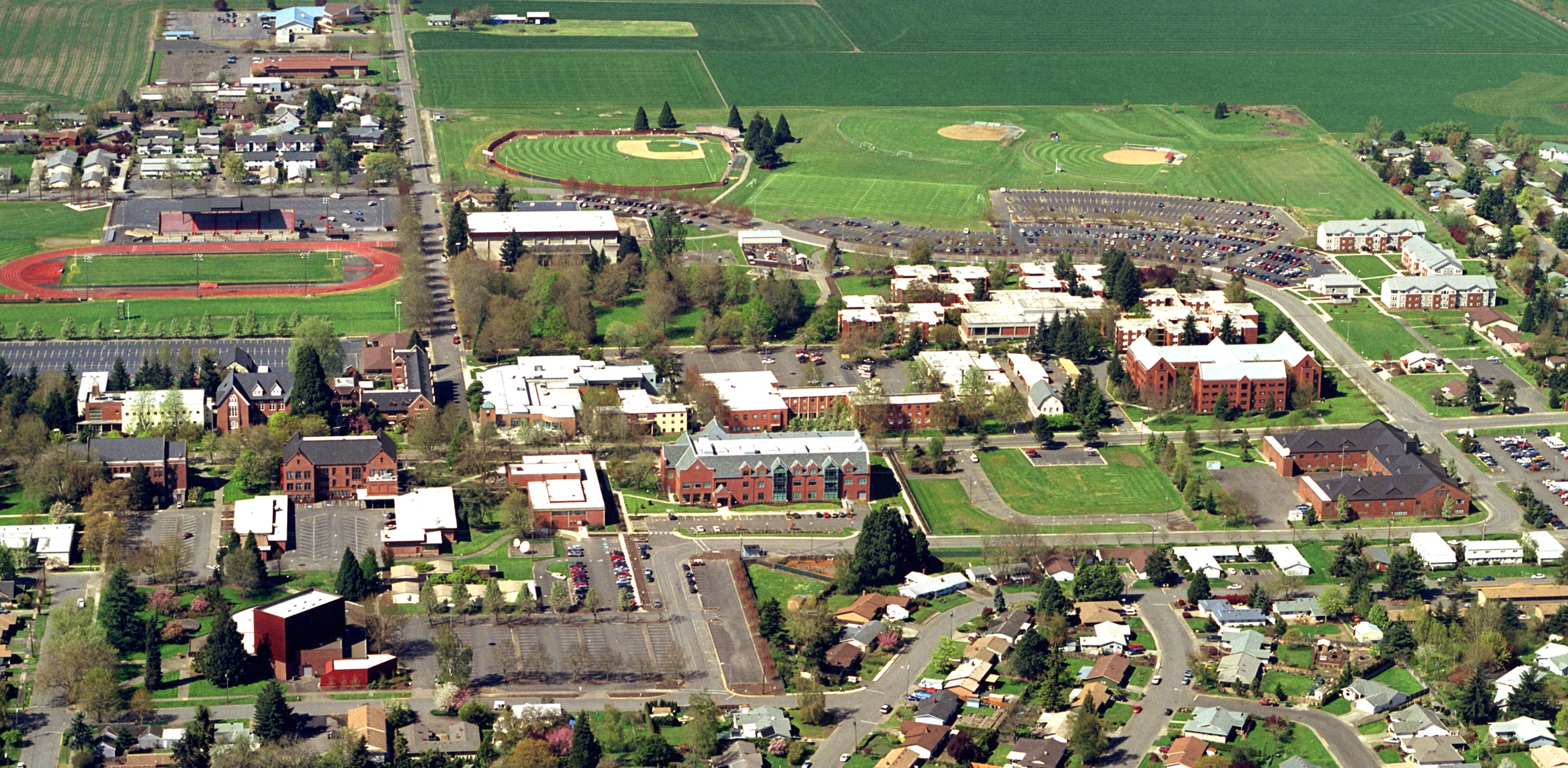
Western Oregon University (WOU) is a public liberal arts university in Monmouth, Oregon, known for its accessible admissions, strong education and health professions programs, and tight-knit campus community. With a near-open admissions policy (98% acceptance rate) and a focus on student support through initiatives like strength-based grading, WOU serves a diverse student body, though graduation rates lag behind national averages. Its rural setting and emphasis on hands-on learning—particularly in American Sign Language interpretation and teacher preparation—give it a distinct regional identity.
Admissions
Western Oregon University is one of the least selective public universities in the Pacific Northwest, with a 98.7% acceptance rate (3,043 applicants for fall 2023, per Peterson's). The school requires a minimum 2.75 GPA for first-year applicants, though those below this threshold may still be admitted with additional review. Transfer students need only a 2.0 GPA if they've completed the Oregon Transfer Module or an Associate of Arts Oregon Transfer degree. Test scores (SAT/ACT) are not required but typically fall in the ACT 17–23 or SAT 930–1,150 range for admitted students. The admissions process emphasizes accessibility, aligning with WOU's mission as a regional comprehensive university.
Sources
- [PDF] Common Data Set 2024-2025 - Western Oregon University
- Miscellaneous Reports – Institutional Research
- [PDF] A. General Information - Western Oregon University
- Common Data Set | Office of Institutional Research
- Common Data Set: Home
- Common Data Set Repository - College Transitions
- Western Oregon University Admissions - BigFuture College Search
- Western Oregon University SAT Scores and GPA - PrepScholar
- Western Oregon University Admissions - US News Best Colleges
- Western Oregon University - Tuition and Acceptance Rate - Peterson's