Loading…
← All schools
Washington University in St Louis
St. Louis, MOprivate nonprofitwashu.edu
- Acceptance rateThe share of applicants a college admits in a given year. A 10% acceptance rate means it admits about 1 in 10 applicants.
- 12%
- SAT 25th-75th percentileThe middle range of SAT scores for admitted students: a quarter scored below the low number and a quarter scored above the high number.
- 1500–1570
- Undergrad enrollment
- 7,857
- Net priceWhat a family actually pays after grants and scholarships are subtracted from the sticker price — usually far less than the published cost.
- $21,786
- In-state tuition
- $65,790
- Out-of-state tuition
- $65,790
- Avg GPA
- 3.92 unweighted
- Acceptance Rate
- 12-13%
- Graduation Rate
- 93%
- Average Net Price
- $23,432
- Avg ACT (Mid 50%)
- 33-35
- Avg SAT (Mid 50%)
- 1500-1570
- Undergrad Enrollment
- 8,100
- Student-Faculty Ratio
Quick answers
- What is the acceptance rate at Washington University in St Louis?
- Washington University in St Louis's acceptance rate is approximately 12% (St. Louis, MO), based on the most recent figures we compiled from public and primary sources.
- What SAT score do you need for Washington University in St Louis?
- Admitted students at Washington University in St Louis typically score 1500–1570 on the SAT (the middle-50% range). Scores outside this band are still admitted, especially with strong applications.
- How much does Washington University in St Louis cost?
- At Washington University in St Louis, the average net price (after aid) is about $21,786 per year. Actual cost varies with financial aid and residency.
- How many undergraduates attend Washington University in St Louis?
- Washington University in St Louis enrolls approximately 7,857 undergraduate students.
- Where is Washington University in St Louis located?
- Washington University in St Louis is located in St. Louis, MO.
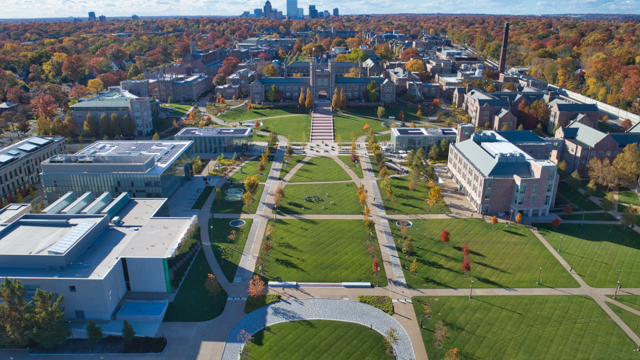
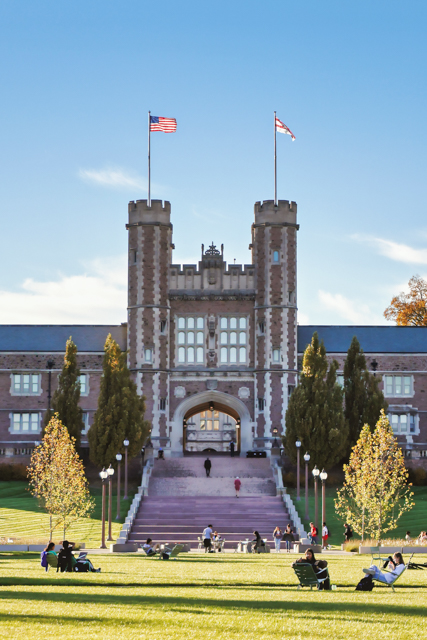
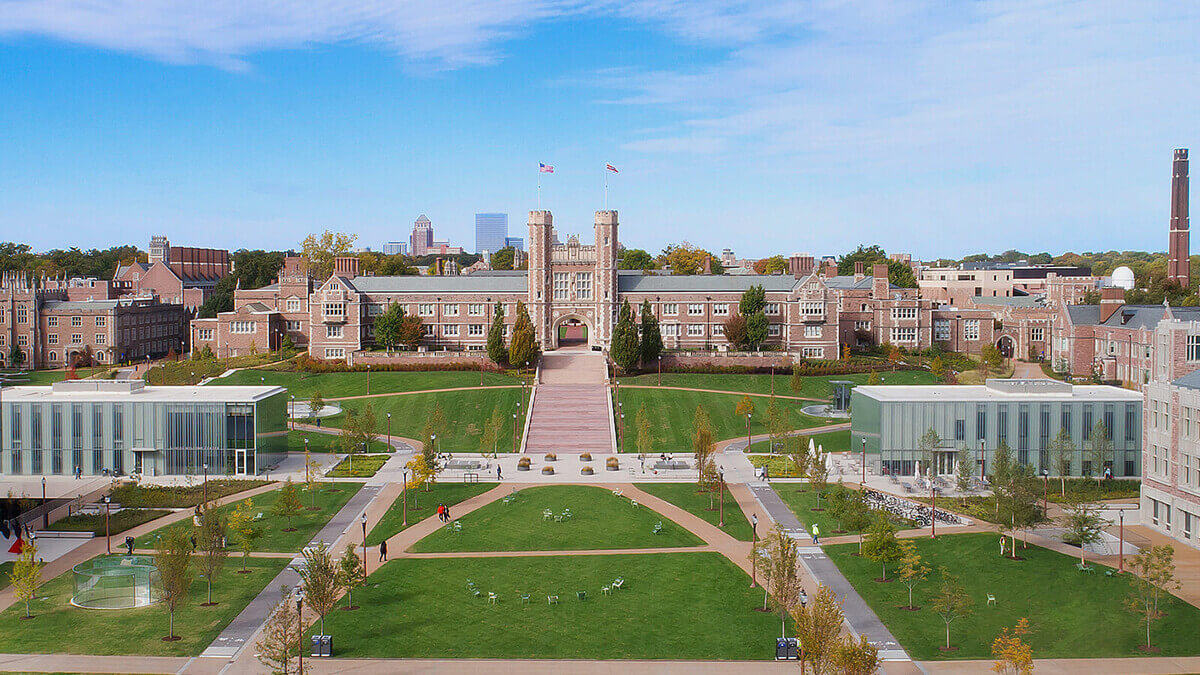
Washington University in St. Louis (WashU) is a midwestern Ivy with a reputation for rigorous academics, a collaborative culture, and a stunning campus. Known for its strong pre-med and engineering programs, WashU combines the resources of a top-tier research university with the feel of a tight-knit liberal arts college. Its generous financial aid and no-loan policy make it surprisingly accessible for a school of its caliber.
Admissions
WashU is fiercely selective, with an Acceptance rateThe share of applicants a college admits in a given year. A 10% acceptance rate means it admits about 1 in 10 applicants. hovering around 12-13% (sources vary slightly). The middle 50% SAT range is 1500-1570, and the ACT range is 33-35, placing admitted students in the top percentile nationally. While Test-optionalA policy where you choose whether to submit SAT or ACT scores. If you don't, the rest of your application carries more weight., 58% of applicants submitted test scores in recent cycles. The average admitted GPA is a near-perfect 3.92 unweighted, reflecting WashU's emphasis on academic rigor. Notably, the university awarded $2.2 million in aid to just 33 international students in one recent year, highlighting both its global reach and limited need-based support for non-domestic applicants.
Sources
- [PDF] A. GENERAL INFORMATION - WashU
- [PDF] Washington University in St. Louis Common Data Set 2023-2024
- Student Consumer Information - WashU
- Washington University in St. Louis 2026 Common Data Set - GradGPT
- Washington University in St. Louis Overview - CollegeData
- WashU - Data Sets
- Incoming Class Profile - Undergraduate Admissions | WashU
- Washington University in St. Louis SAT Scores and GPA
- Washington University in St. Louis Admissions - BigFuture
- How to Get Into WashU: Admissions Stats + Tips | CollegeVine Blog