Loading…
← All schools
Vanguard University of Southern California
Costa Mesa, CAprivate nonprofitvanguard.edu
- Acceptance rateThe share of applicants a college admits in a given year. A 10% acceptance rate means it admits about 1 in 10 applicants.
- 62%
- Undergrad enrollment
- 1,933
- Net priceWhat a family actually pays after grants and scholarships are subtracted from the sticker price — usually far less than the published cost.
- $21,241
- In-state tuition
- $41,700
- Out-of-state tuition
- $41,700
- Avg GPA
- 3.4
- Location
- Costa Mesa, CA (4 miles from the beach)
- Avg Net Price
- $20,273
- Tuition (2024)
- $42,500
- Acceptance Rate
- 62-65%
- 4-Year Grad Rate
- 52%
- 6-Year Grad Rate
- 64%
- Avg ACT (middle 50%)
- 19-25
- Avg SAT (middle 50%)
- 980-1270
- Undergrad Enrollment
- ~1,800
- Religious Affiliation
- Assemblies of God
- Student-Faculty Ratio
- 13:1
Quick answers
- What is the acceptance rate at Vanguard University of Southern California?
- Vanguard University of Southern California's acceptance rate is approximately 62% (Costa Mesa, CA), based on the most recent figures we compiled from public and primary sources.
- How much does Vanguard University of Southern California cost?
- At Vanguard University of Southern California, the average net price (after aid) is about $21,241 per year. Actual cost varies with financial aid and residency.
- How many undergraduates attend Vanguard University of Southern California?
- Vanguard University of Southern California enrolls approximately 1,933 undergraduate students.
- Where is Vanguard University of Southern California located?
- Vanguard University of Southern California is located in Costa Mesa, CA.
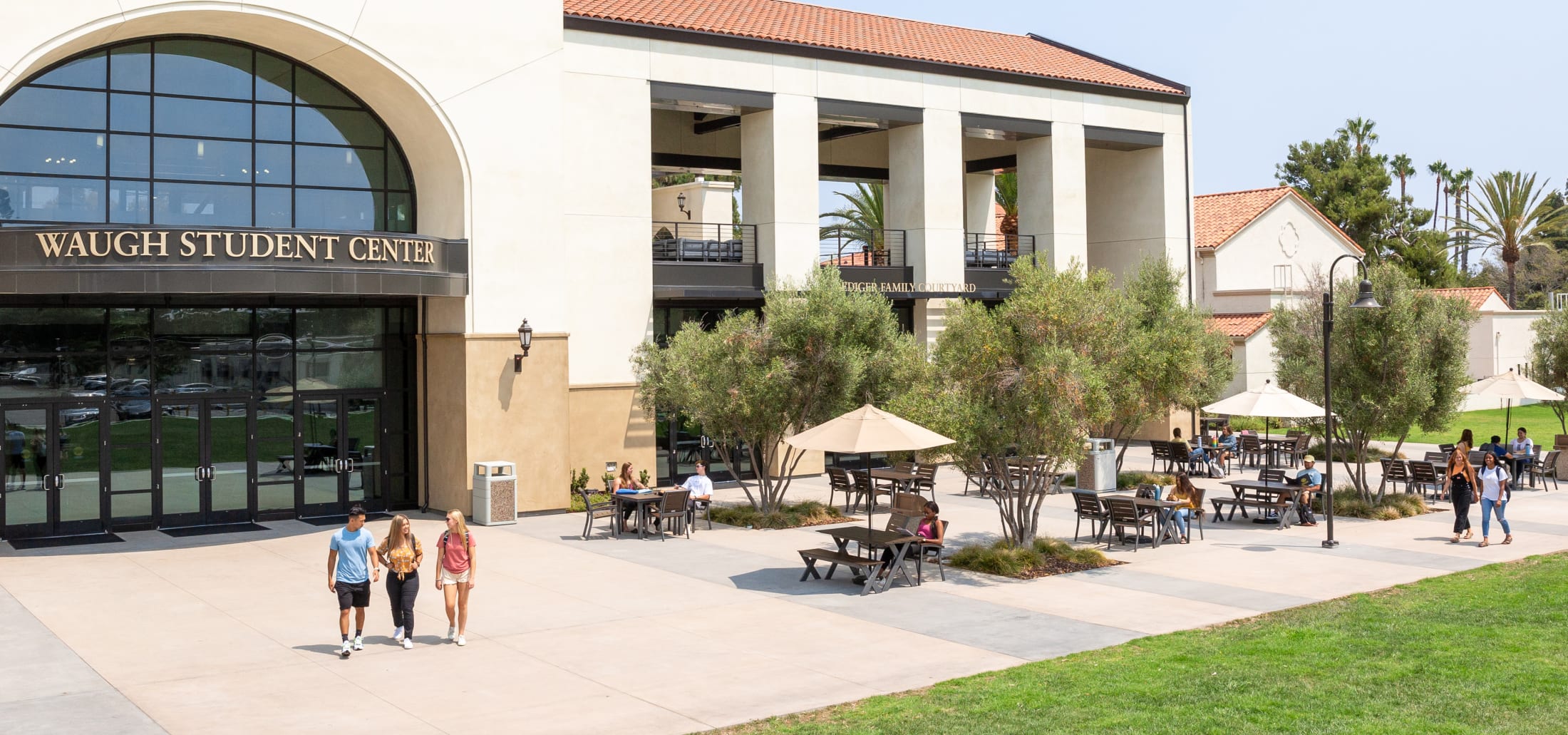
Vanguard University of Southern California is a small, Christ-centered liberal arts school where spiritual formation and academic rigor share equal billing. With a 13:1 student-faculty ratio and a beach-adjacent Costa Mesa campus, it attracts students who want a tight-knit, faith-driven community without sacrificing access to Southern California’s sun and surf. Its standout business and ministry programs—plus a 64% six-year graduation rate that outpaces many regional peers—make it a pragmatic choice for evangelical students seeking both purpose and employability.
Admissions
Vanguard’s admissions process leans accessible but not automatic, with a 62-65% Acceptance rateThe share of applicants a college admits in a given year. A 10% acceptance rate means it admits about 1 in 10 applicants. depending on the year. Middle 50% test scores hover around 980-1270 for the SAT and 19-25 for the ACT, while the average admitted student carries a 3.4 GPA. The university emphasizes a 'Holistic admissionsA review that weighs the whole applicant — grades, essays, activities, and context — rather than relying on test scores and GPA alone.' that considers spiritual commitment alongside academic preparation—unsurprising for an Assemblies of God-affiliated school. Notably, 70% of freshmen return for sophomore year, suggesting students who enroll tend to stick around.
Sources
- [PDF] CDS_2023_2024 MAIN.xlsx - Vanguard University
- Disclosures and Consumer Information - Vanguard University
- Common Data Set 2024-2025 - Office of Institutional Research
- Vanguard University of Southern California - IPEDS
- Common Data Set: Home
- Vanguard University of Southern California Common Data Set (CDS ...
- Vanguard University of Southern California Admissions
- Vanguard University of Southern California SAT Scores and GPA
- Vanguard University of Southern California Admissions - BigFuture
- Vanguard University of Southern California - College Raptor