Loading…
← All schools
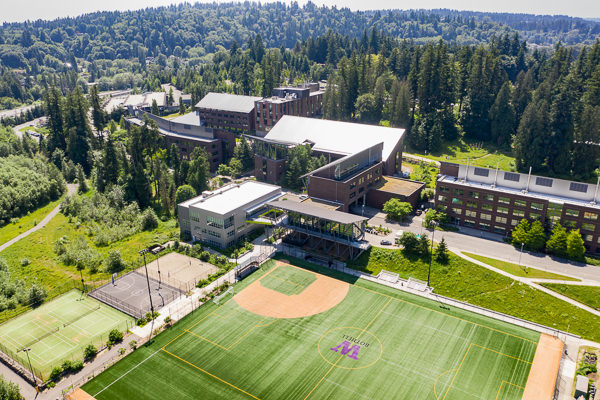
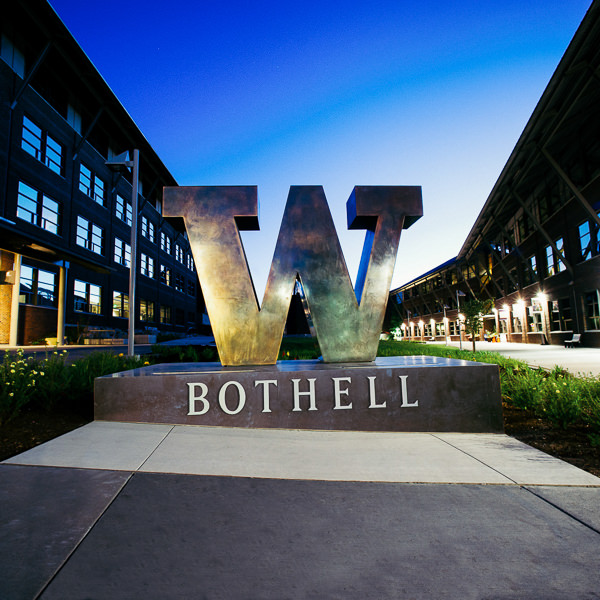
University of Washington-Bothell Campus
Bothell, WApublicuwb.edu
- Acceptance rateThe share of applicants a college admits in a given year. A 10% acceptance rate means it admits about 1 in 10 applicants.
- 91%
- Undergrad enrollment
- 5,457
- Net priceWhat a family actually pays after grants and scholarships are subtracted from the sticker price — usually far less than the published cost.
- $12,319
- In-state tuition
- $12,919
- Out-of-state tuition
- $43,155
- Top Majors
- Computer Science, Business, Nursing
- Test Policy
- Test-Optional (no SAT/ACT)
- Acceptance Rate
- 91%
- Median Early Salary
- $36,427
- Student-Faculty Ratio
- 19:1
- 4-Year Graduation Rate
- 50%
- Avg. Net Price (In-State)
- $7,577
Quick answers
- What is the acceptance rate at University of Washington-Bothell Campus?
- University of Washington-Bothell Campus's acceptance rate is approximately 91% (Bothell, WA), based on the most recent figures we compiled from public and primary sources.
- How much does University of Washington-Bothell Campus cost?
- At University of Washington-Bothell Campus, the average net price (after aid) is about $12,319 per year. Actual cost varies with financial aid and residency.
- How many undergraduates attend University of Washington-Bothell Campus?
- University of Washington-Bothell Campus enrolls approximately 5,457 undergraduate students.
- Where is University of Washington-Bothell Campus located?
- University of Washington-Bothell Campus is located in Bothell, WA.
The University of Washington-Bothell Campus is a public university known for its accessible admissions, strong STEM and business programs, and a growing campus life that balances commuter convenience with residential energy. With a 91% acceptance rate and no SAT/ACT requirement, it attracts a diverse, often non-traditional student body, while its graduates see solid returns on investment—especially in tech and healthcare fields.
Admissions
UW Bothell is one of the most accessible public universities in Washington, with a 91% acceptance rate—making it far less selective than its Seattle counterpart. The school dropped SAT/ACT requirements in 2021, focusing instead on GPA (typically 3.0+ for Washington residents) and Holistic admissionsA review that weighs the whole applicant — grades, essays, activities, and context — rather than relying on test scores and GPA alone.. About 48% of admitted students enroll, suggesting many use it as a safety school. The student body skews older: only 60% are traditional college-age, with many transfers from local community colleges.
- Acceptance Rate: 90.6% (US News, PrepScholar)
- Test-Optional: No SAT/ACT required since 2021
- Typical GPA: Admitted students usually rank in the top 35% nationally
- Deadline: January 15 for fall admission
Sources
- Common Data Set – Planning & Budgeting - University of Washington
- Common Data Set: Home
- External Reporting – Planning & Budgeting - University of Washington
- [PDF] common-data-set-2022-2023.pdf - Chestertown - Washington College
- University of Washington-Bothell Campus - IPEDS
- Common Data Set 2020-2021 Bothell - University of Washington
- University of Washington Bothell SAT Scores and GPA - PrepScholar
- University of Washington Bothell Admissions - BigFuture
- University of Washington Bothell Admissions - US News Best Colleges