Loading…
← All schools
University of Vermont
Burlington, VTpublicwww.uvm.edu/
- Acceptance rateThe share of applicants a college admits in a given year. A 10% acceptance rate means it admits about 1 in 10 applicants.
- 65%
- SAT 25th-75th percentileThe middle range of SAT scores for admitted students: a quarter scored below the low number and a quarter scored above the high number.
- 1290–1440
- Undergrad enrollment
- 11,743
- Net priceWhat a family actually pays after grants and scholarships are subtracted from the sticker price — usually far less than the published cost.
- $19,343
- In-state tuition
- $19,058
- Out-of-state tuition
- $45,502
- Mascot
- Rally the Catamount
- Location
- Burlington, VT
- Avg. SAT Range
- 1300–1420
- Acceptance Rate
- 65%
- Most Popular Major
- Psychology
- Net Price (After Aid)
- $19,386
- Student-Faculty Ratio
- 16:1
- 4-Year Graduation Rate
- 66.7%
- Median Debt at Graduation
- $20,951
Quick answers
- What is the acceptance rate at University of Vermont?
- University of Vermont's acceptance rate is approximately 65% (Burlington, VT), based on the most recent figures we compiled from public and primary sources.
- What SAT score do you need for University of Vermont?
- Admitted students at University of Vermont typically score 1290–1440 on the SAT (the middle-50% range). Scores outside this band are still admitted, especially with strong applications.
- How much does University of Vermont cost?
- At University of Vermont, the average net price (after aid) is about $19,343 per year. Actual cost varies with financial aid and residency.
- How many undergraduates attend University of Vermont?
- University of Vermont enrolls approximately 11,743 undergraduate students.
- Where is University of Vermont located?
- University of Vermont is located in Burlington, VT.
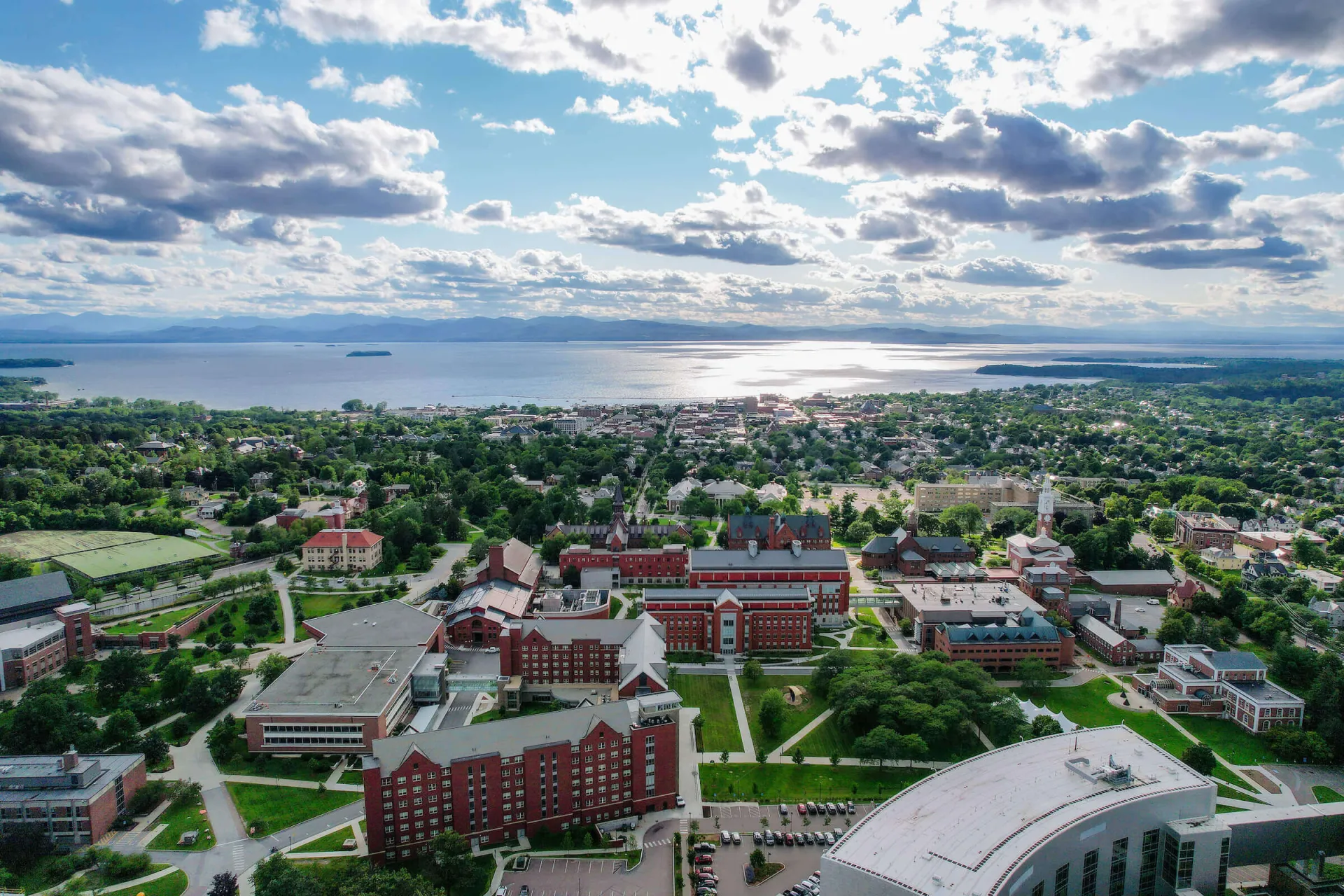
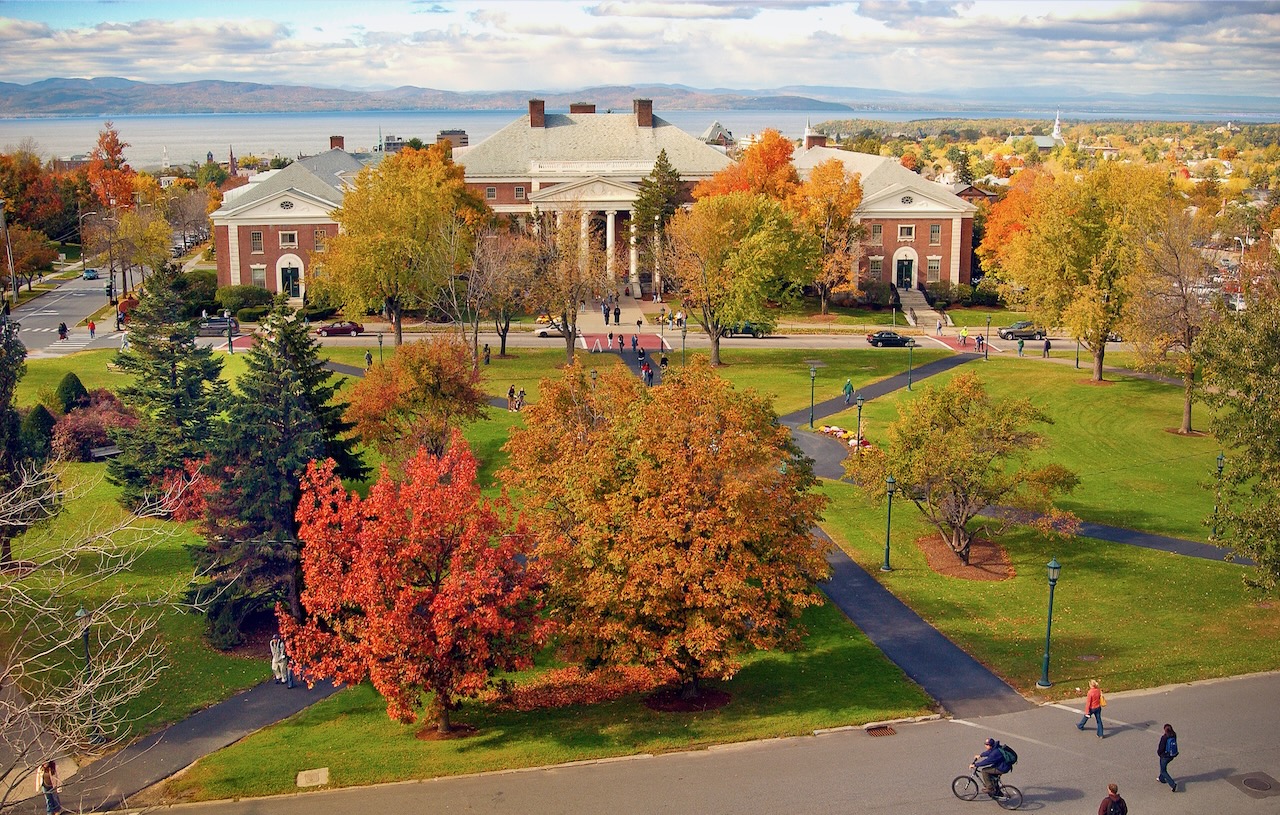
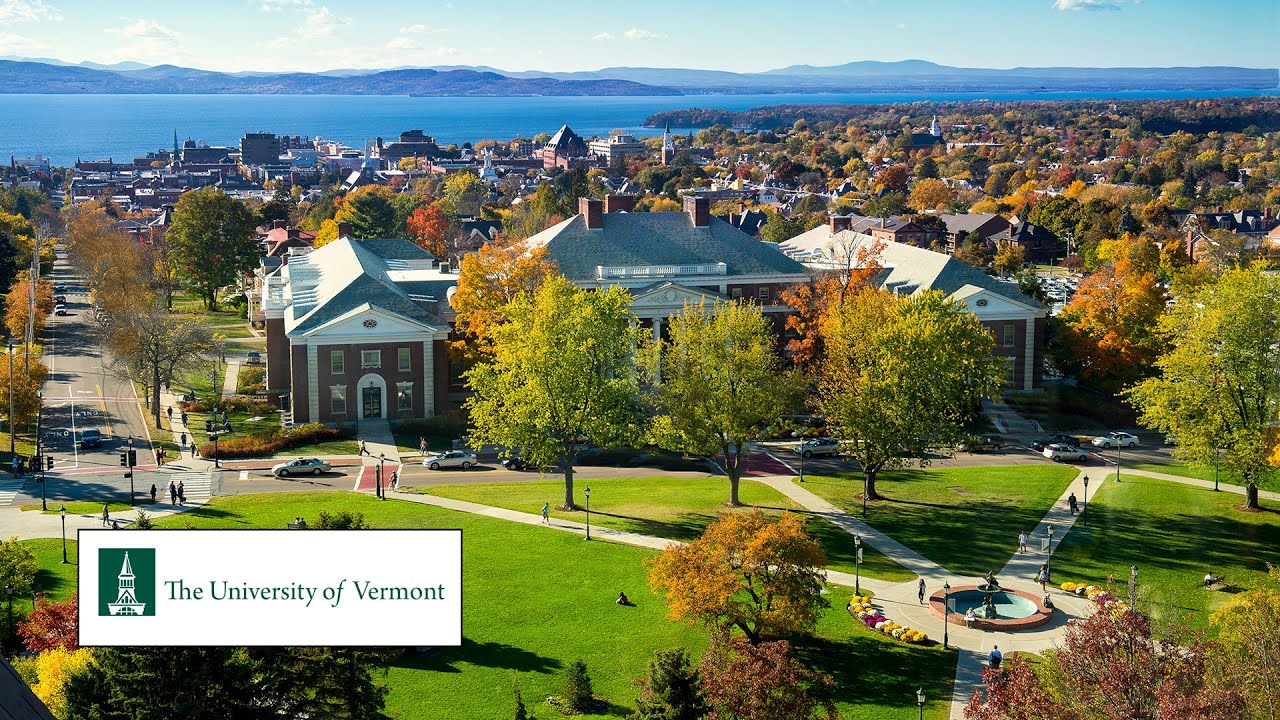
The University of Vermont (UVM) blends the rigor of a public research university with the crunchy, outdoorsy ethos of its Burlington home. Known for strong programs in environmental studies, agriculture, and health sciences, UVM attracts students who want academic heft alongside easy access to skiing, hiking, and a progressive college town vibe. With a 65% acceptance rate and a four-year graduation rate that outpaces most public universities, it’s a place where granola idealism meets practical outcomes.
Admissions
UVM is moderately selective, with an Acceptance rateThe share of applicants a college admits in a given year. A 10% acceptance rate means it admits about 1 in 10 applicants. hovering around 65% (though it dipped to 59% in a recent record-breaking application year). The university practices selective admission for out-of-state students and certain programs, while Vermont residents face a more open policy. Admitted students typically boast SAT scores between 1300–1420, and the Class of 2027 set a 30-year record for academic achievement. Notably, only 18% of the class hails from Vermont, with over 50% coming from outside New England—reflecting UVM’s broad appeal beyond its home state. Waitlists are common (27% of applicants in one year), but few are ultimately admitted.
Sources
- Common Data Set | University of Vermont
- [PDF] Common Data Set 2025-2026 - University of Vermont
- [PDF] 2024-2025-Common-Data-Set.pdf - University of Vermont
- Common Data Set - GradGPT
- Common Data Set | Belmont University
- Common Data Set - UMSL
- [PDF] admitted student profile - The University of Vermont
- University of Vermont Admissions - US News Best Colleges
- University of Vermont SAT Scores and GPA - PrepScholar
- University of Vermont Admissions - BigFuture College Search