Loading…
← All schools
University of Pittsburgh-Johnstown
Johnstown, PApublicwww.upj.pitt.edu/
- Acceptance rateThe share of applicants a college admits in a given year. A 10% acceptance rate means it admits about 1 in 10 applicants.
- 95%
- SAT 25th-75th percentileThe middle range of SAT scores for admitted students: a quarter scored below the low number and a quarter scored above the high number.
- 985–1220
- Undergrad enrollment
- 1,808
- Net priceWhat a family actually pays after grants and scholarships are subtracted from the sticker price — usually far less than the published cost.
- $18,202
- In-state tuition
- $14,906
- Out-of-state tuition
- $26,780
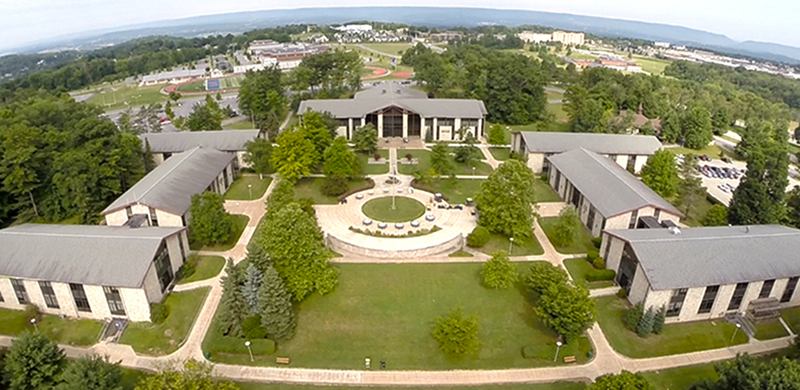
- Campus Size
- 650 acres
- Test-Optional
- Through Fall 2025
- Popular Majors
- Engineering, Business, Education
- Acceptance Rate
- 95%
- Avg. Need-Based Aid
- $14,847
- 6-Year Graduation Rate
- 54%
- In-State Tuition + Fees
- $15,000-$17,000
Quick answers
- What is the acceptance rate at University of Pittsburgh-Johnstown?
- University of Pittsburgh-Johnstown's acceptance rate is approximately 95% (Johnstown, PA), based on the most recent figures we compiled from public and primary sources.
- What SAT score do you need for University of Pittsburgh-Johnstown?
- Admitted students at University of Pittsburgh-Johnstown typically score 985–1220 on the SAT (the middle-50% range). Scores outside this band are still admitted, especially with strong applications.
- How much does University of Pittsburgh-Johnstown cost?
- At University of Pittsburgh-Johnstown, the average net price (after aid) is about $18,202 per year. Actual cost varies with financial aid and residency.
- How many undergraduates attend University of Pittsburgh-Johnstown?
- University of Pittsburgh-Johnstown enrolls approximately 1,808 undergraduate students.
- Where is University of Pittsburgh-Johnstown located?
- University of Pittsburgh-Johnstown is located in Johnstown, PA.
The University of Pittsburgh-Johnstown (Pitt-Johnstown) is a public liberal arts college with a nearly 95% acceptance rate, offering a small-campus experience with the backing of the larger Pitt system. Known for its strong engineering and pre-med programs, it provides a supportive, close-knit environment where students benefit from personalized attention—though its 54% six-year graduation rate suggests some challenges in retention. With affordable tuition and solid career outcomes (median salary of $54,240 six years post-graduation), it’s a practical choice for Pennsylvania students seeking a hands-on education.
Admissions
Pitt-Johnstown is one of the least selective campuses in the University of Pittsburgh system, with an Acceptance rateThe share of applicants a college admits in a given year. A 10% acceptance rate means it admits about 1 in 10 applicants. hovering around 95% (Niche, PrepScholar). The school has been Test-optionalA policy where you choose whether to submit SAT or ACT scores. If you don't, the rest of your application carries more weight. since Fall 2021, a policy extended through Fall 2025, with 65.7% of applicants opting not to submit SAT/ACT scores (Common Data Set (CDS)A standardized report most colleges publish each year with admissions, test-score, and financial-aid figures, making schools easier to compare. 2023-2024). Admitted students typically have SAT scores between 990-1220 (Niche) or ACT composites of 19-32 (BigFuture), though the middle 50% of Pitt system-wide admits score higher (580-710 SAT Math, 27-33 ACT). The admissions process emphasizes accessibility, with no strict GPA cutoff reported.
Sources
- [PDF] 2023-2024 Common Data Set Johnstown Campus
- Common Data Set - Institutional Research and Analytics
- [PDF] 2024-2025 Common Data Set - Institutional Research and Analytics
- [PDF] 2025-2026 Common Data Set - Pittsburgh Campus
- Common Data Set: Home
- Common Data Set - GradGPT
- Class Profile - Pitt Admissions - University of Pittsburgh
- University of Pittsburgh at Johnstown SAT Scores and GPA
- University Of Pittsburgh At Johnstown Admissions - BigFuture
- University of Pittsburgh at Johnstown | US News Best Colleges