Loading…
← All schools
University of Maine at Farmington
Farmington, MEpublicumf.maine.edu
- Acceptance rateThe share of applicants a college admits in a given year. A 10% acceptance rate means it admits about 1 in 10 applicants.
- 97%
- SAT 25th-75th percentileThe middle range of SAT scores for admitted students: a quarter scored below the low number and a quarter scored above the high number.
- 995–1245
- Undergrad enrollment
- 1,140
- Net priceWhat a family actually pays after grants and scholarships are subtracted from the sticker price — usually far less than the published cost.
- $16,857
- In-state tuition
- $11,308
- Out-of-state tuition
- $23,878
- Top Majors
- Psychology, Elementary Education, Business
- Avg. Net Price
- $13,212
- Acceptance Rate
- 97%
- On-Campus Housing
- 55%
- Six-Year Grad Rate
- 53%
- Student-Faculty Ratio
- 12:1
- Financial Aid Recipients
- 96%
Quick answers
- What is the acceptance rate at University of Maine at Farmington?
- University of Maine at Farmington's acceptance rate is approximately 97% (Farmington, ME), based on the most recent figures we compiled from public and primary sources.
- What SAT score do you need for University of Maine at Farmington?
- Admitted students at University of Maine at Farmington typically score 995–1245 on the SAT (the middle-50% range). Scores outside this band are still admitted, especially with strong applications.
- How much does University of Maine at Farmington cost?
- At University of Maine at Farmington, the average net price (after aid) is about $16,857 per year. Actual cost varies with financial aid and residency.
- How many undergraduates attend University of Maine at Farmington?
- University of Maine at Farmington enrolls approximately 1,140 undergraduate students.
- Where is University of Maine at Farmington located?
- University of Maine at Farmington is located in Farmington, ME.
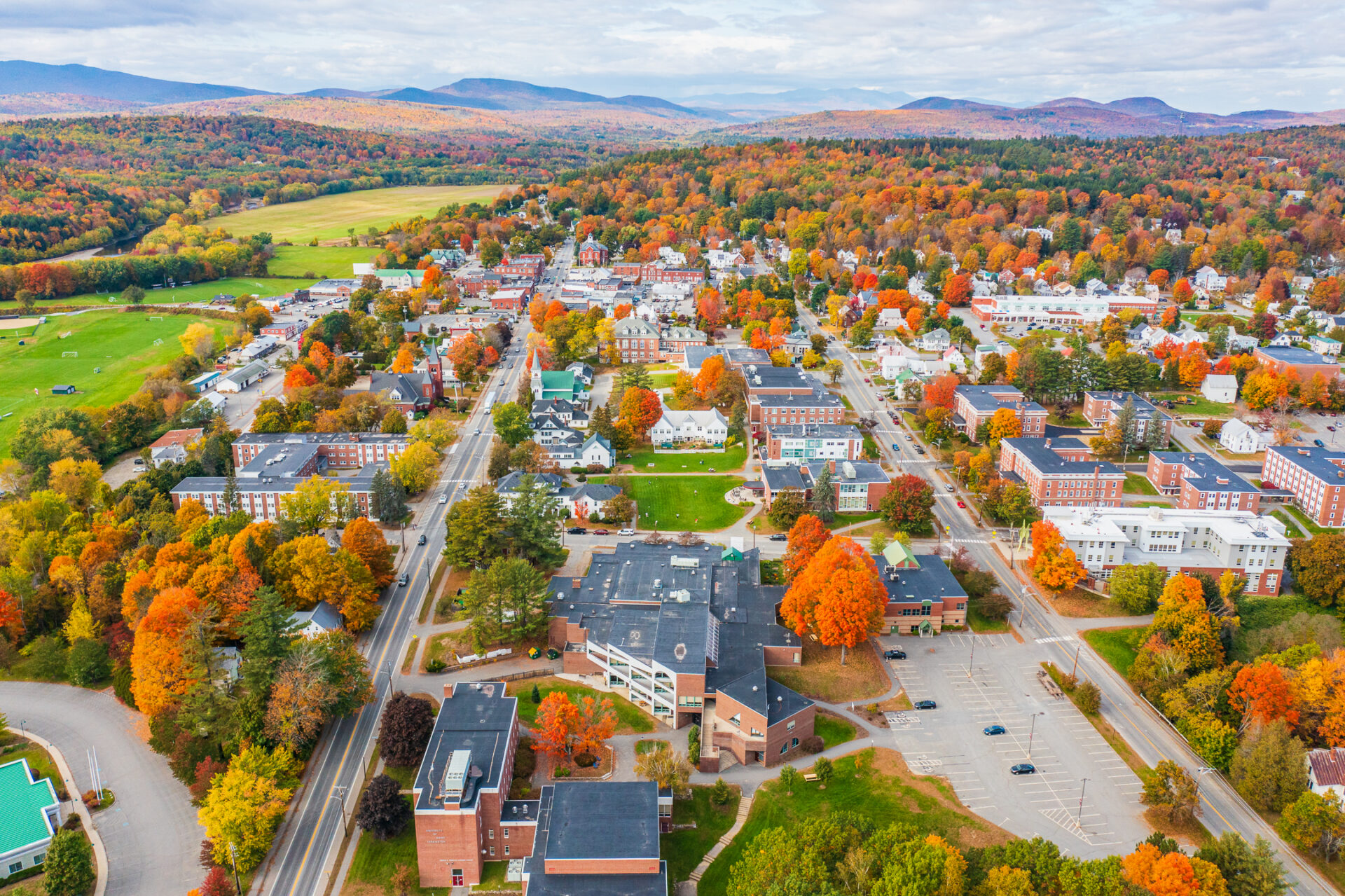
The University of Maine at Farmington is Maine's public liberal arts college, offering an intimate, hands-on education with a 12:1 student-to-faculty ratio and a near-open admissions policy (97% acceptance rate). Known for its strong education programs and tight-knit community, UMF delivers a low-cost, high-engagement experience—96% of students receive financial aid, and the average net price is just $13,212. While graduation rates lag (53% in six years), its scenic western Maine location and emphasis on individuality make it a distinctive choice for students seeking a small-college vibe at a public-school price.
Admissions
UMF is one of the least selective public colleges in New England, with a 97% acceptance rate—practically open admissions. The school doesn't require SAT/ACT scores, instead emphasizing high school GPA (average admitted student: ~3.27), essays, and extracurriculars. Test-optionalA policy where you choose whether to submit SAT or ACT scores. If you don't, the rest of your application carries more weight. applicants typically submit SAT scores between 975–1205 or ACT scores of 18–23. Notably, 27% of admitted students have GPAs of 3.75 or higher, suggesting a bifurcated applicant pool with both high-achievers and those benefiting from the near-universal acceptance policy.
Sources
- Common Data Set - Office of Institutional Research and Assessment
- Common Data Set Archive - University of Southern Maine
- [PDF] Common Data Set 2022-2023 - The University of Maine
- Common Data Set: Home
- Common Data Set / Student Right-to-Know Act - UMPI
- [PDF] University of Maine Common Data Set, 2020-2021
- University of Maine at Farmington Admissions
- University of Maine at Farmington Admissions - BigFuture
- University of Maine at Farmington SAT Scores and GPA - PrepScholar
- University of Maine at Farmington Admissions - ThoughtCo