Loading…
← All schools
University of California-Santa Cruz
Santa Cruz, CApublicwww.ucsc.edu/
- Acceptance rateThe share of applicants a college admits in a given year. A 10% acceptance rate means it admits about 1 in 10 applicants.
- 66%
- Undergrad enrollment
- 17,940
- Net priceWhat a family actually pays after grants and scholarships are subtracted from the sticker price — usually far less than the published cost.
- $17,890
- In-state tuition
- $16,005
- Out-of-state tuition
- $50,205
- Net Price
- $17,975
- Top Majors
- Computer Science (13%), Psychology (10%), Business Economics (6%)
- Median HS GPA
- 3.76-4.16
- Notable Alumni
- Andy Samberg (Actor), Kathryn Sullivan (Astronaut), Marc Okrand (Inventor of Klingon)
- Acceptance Rate
- 66%
- 4-Year Graduation Rate
- 60%
Quick answers
- What is the acceptance rate at University of California-Santa Cruz?
- University of California-Santa Cruz's acceptance rate is approximately 66% (Santa Cruz, CA), based on the most recent figures we compiled from public and primary sources.
- How much does University of California-Santa Cruz cost?
- At University of California-Santa Cruz, the average net price (after aid) is about $17,890 per year. Actual cost varies with financial aid and residency.
- How many undergraduates attend University of California-Santa Cruz?
- University of California-Santa Cruz enrolls approximately 17,940 undergraduate students.
- Where is University of California-Santa Cruz located?
- University of California-Santa Cruz is located in Santa Cruz, CA.
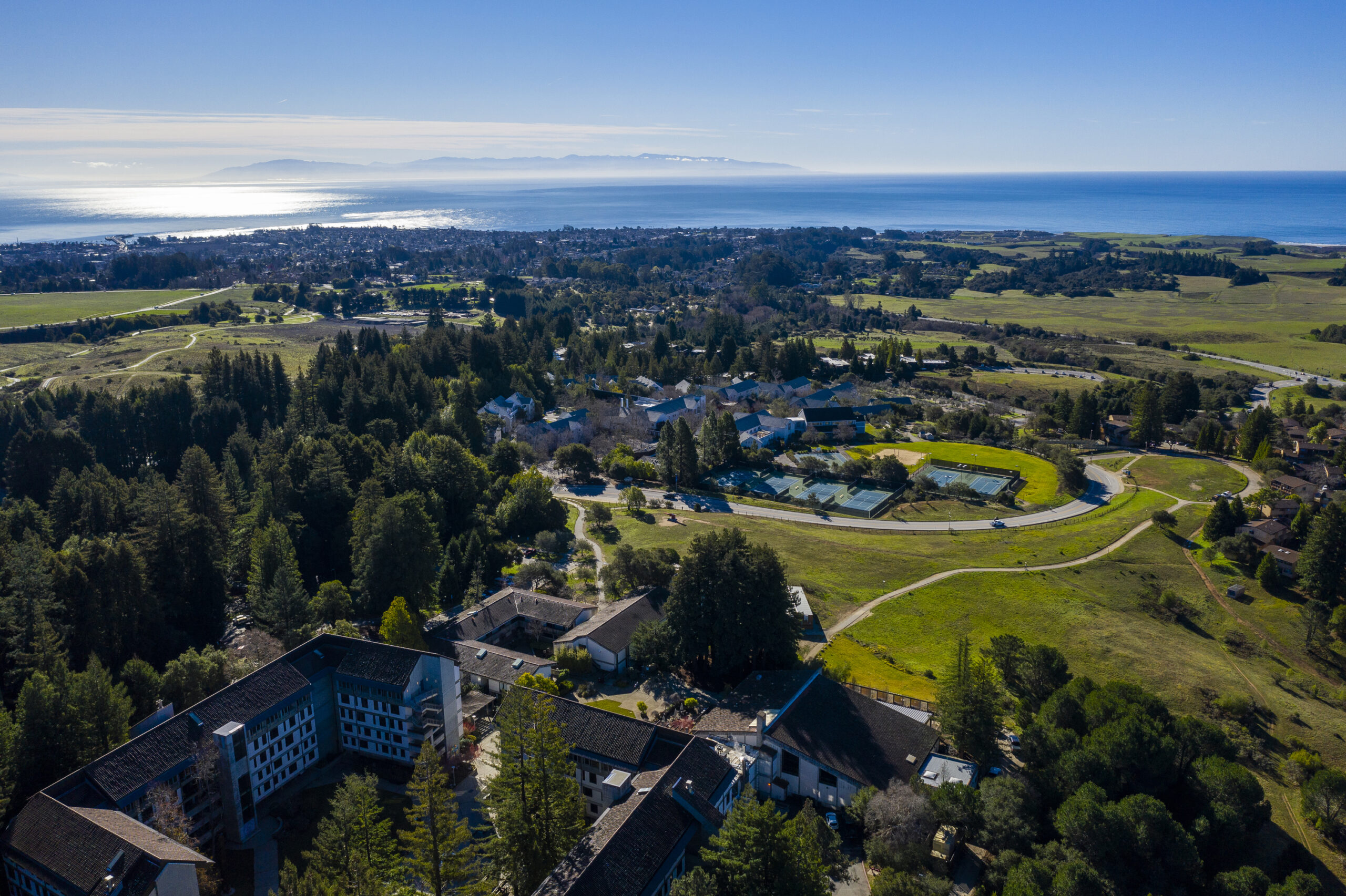
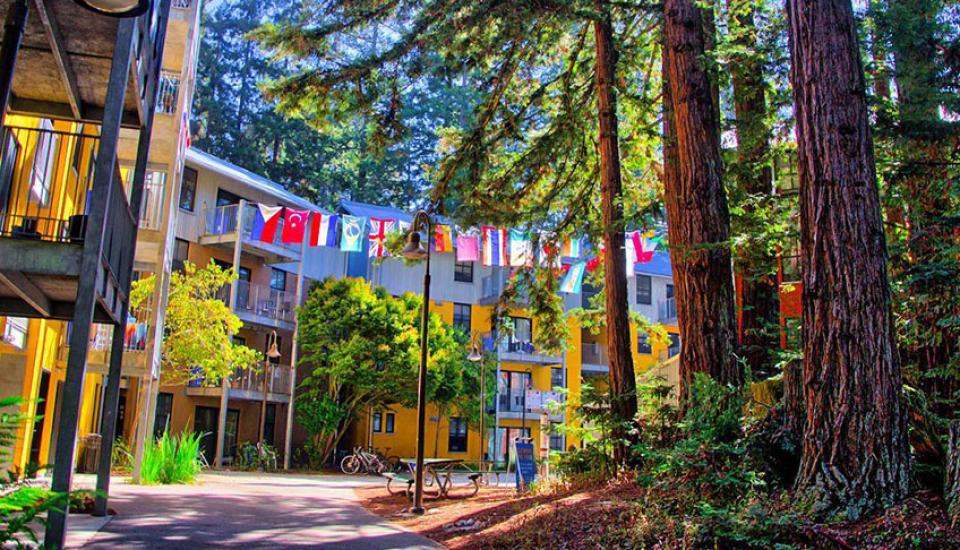
UC Santa Cruz is the UC system's most idiosyncratic campus—a redwood-shrouded haven for interdisciplinary thinkers, countercultural spirits, and tech-savvy creatives. With top-ranked programs in computer science and astrophysics alongside a legacy of radical activism, it balances Silicon Valley career pipelines with a distinctly NorCal vibe of organic farms and ocean-view hiking trails. The 10 residential colleges foster tight-knit communities, though the social scene leans more toward D&D campaigns than Greek life.
Admissions
UC Santa Cruz admits about two-thirds of applicants (66% Acceptance rateThe share of applicants a college admits in a given year. A 10% acceptance rate means it admits about 1 in 10 applicants. per US News), making it one of the more accessible UC campuses. The middle 50% of admitted freshmen boast high school GPAs between 3.76 and 4.16, with 55% holding a perfect 4.0. Notably, UCSC—like all UC schools—no longer considers SAT/ACT scores in admissions. Transfer students must complete 60+ semester units of UC-transferable coursework. The YieldThe share of admitted students who actually choose to enroll. Colleges watch it closely, which is why some weigh how interested you seem. rate (percentage of admitted students who enroll) is a modest 9.3%, suggesting many applicants treat it as a safety school within the UC system.
Sources
- [PDF] Common Data Set 2024-2025
- Common Data Set - ucsc iraps
- [PDF] Common Data Set 2023-2024
- Common Data Set: Home
- UCSC Common Data Set : r/ApplyingToCollege - Reddit
- Common Data Set Repository - College Transitions
- Santa Cruz: Freshman admission profile
- UC Santa Cruz SAT Scores and GPA - PrepScholar
- University of California: Santa Cruz Admissions - BigFuture
- University of California, Santa Cruz Admissions