Loading…
← All schools
University of Alaska Southeast
Juneau, AKpublicwww.uas.alaska.edu/
- Acceptance rateThe share of applicants a college admits in a given year. A 10% acceptance rate means it admits about 1 in 10 applicants.
- 63%
- Undergrad enrollment
- 907
- Net priceWhat a family actually pays after grants and scholarships are subtracted from the sticker price — usually far less than the published cost.
- $12,357
- In-state tuition
- $7,056
- Out-of-state tuition
- $20,640
- Avg ACT Range
- 16-23
- Avg SAT Range
- 900-1140
- Acceptance Rate
- 63%
- 4-Year Grad Rate
- 8%
- 6-Year Grad Rate
- 33%
- In-State Tuition
- $6,372
- Avg Need-Based Aid
- $9,207
- Out-of-State Tuition
- $20,844
- Avg Debt at Graduation
- $20,786
- Post-Grad Median Salary (6 years)
- $38,811
Quick answers
- What is the acceptance rate at University of Alaska Southeast?
- University of Alaska Southeast's acceptance rate is approximately 63% (Juneau, AK), based on the most recent figures we compiled from public and primary sources.
- How much does University of Alaska Southeast cost?
- At University of Alaska Southeast, the average net price (after aid) is about $12,357 per year. Actual cost varies with financial aid and residency.
- How many undergraduates attend University of Alaska Southeast?
- University of Alaska Southeast enrolls approximately 907 undergraduate students.
- Where is University of Alaska Southeast located?
- University of Alaska Southeast is located in Juneau, AK.
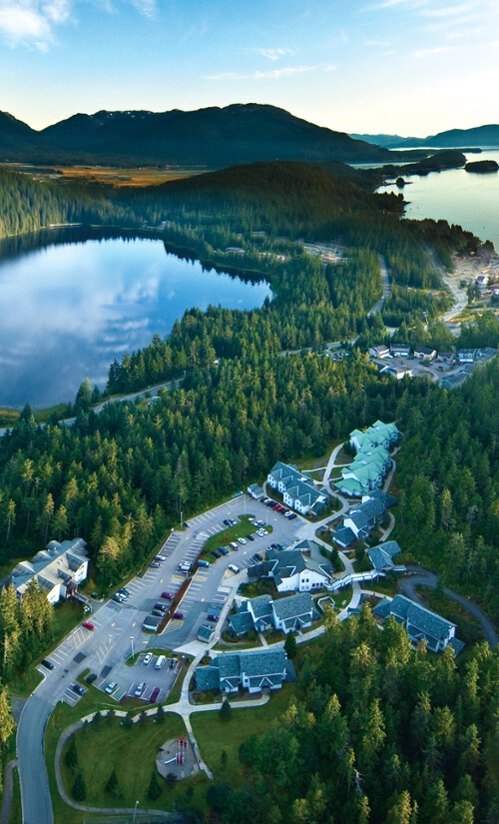
The University of Alaska Southeast (UAS) is a ruggedly distinctive regional university where students trade ivy-covered halls for glacier-carved fjords and temperate rainforests. With a 63% acceptance rate and a focus on experiential learning, UAS attracts outdoorsy, self-directed students drawn to its unique blend of liberal arts, professional programs, and adventure courses like ice climbing and avalanche study. While graduation rates lag national averages, graduates leave with relatively low debt and strong ties to Alaska's tight-knit communities.
Admissions
UAS maintains a moderately selective admissions process with a 63% acceptance rate, admitting 219 out of 346 applicants in 2024. Test scores are optional but typical admitted students have SAT scores between 900-1140 or ACT scores of 16-23. The middle 50% SAT range is around 1220. Unlike many universities, UAS does not require SAT/ACT scores for admission, though they may help with course placement. The admissions process emphasizes accessibility, with no mention of minimum GPA requirements in available sources.
Sources
- External Reporting - University of Alaska Southeast
- Common Data Set - University of Alaska Anchorage
- Common Data Set: Home
- Common Data Set | Planning, Analysis and Institutional Research
- UAS Overview - University of Alaska Southeast
- [PDF] Common Data Set 202
- University of Alaska Southeast SAT Scores and GPA - PrepScholar
- University of Alaska--Southeast Admissions - US News Best Colleges
- University of Alaska Southeast - Niche
- Undergraduate Admission | Catalog | University of Alaska Southeast