Loading…
← All schools
United States Coast Guard Academy
New London, CTpublicuscga.edu
- Acceptance rateThe share of applicants a college admits in a given year. A 10% acceptance rate means it admits about 1 in 10 applicants.
- 22%
- SAT 25th-75th percentileThe middle range of SAT scores for admitted students: a quarter scored below the low number and a quarter scored above the high number.
- 1240–1400
- Undergrad enrollment
- 1,108
- Tuition
- Fully covered + stipend
- Location
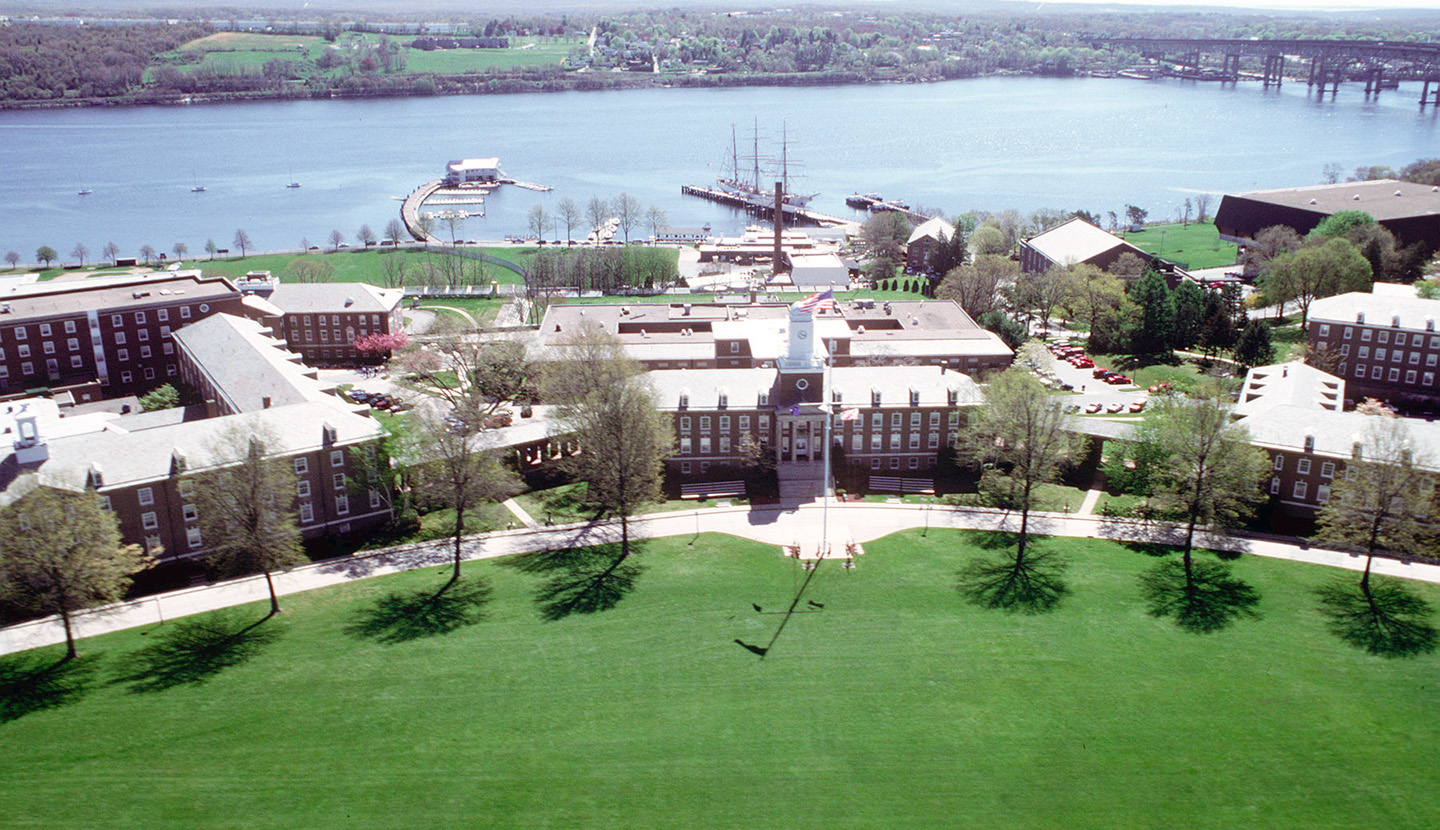
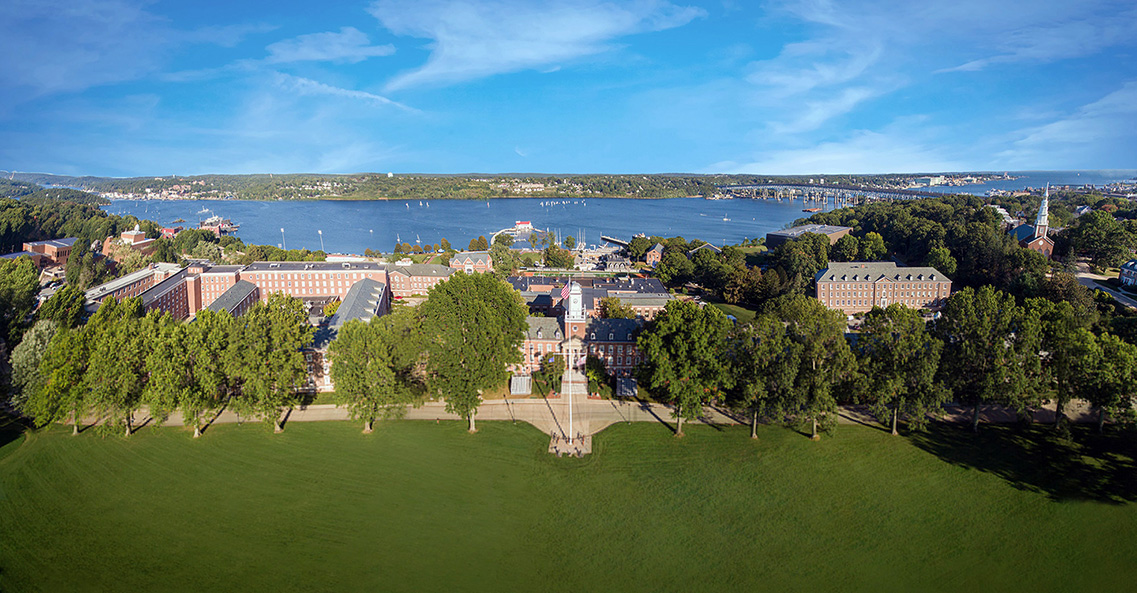
- New London, CT (waterfront)
- Average GPA
- 3.79
- Campus Size
- 1,000 cadets
- Middle 50% ACT
- 27–32
- Middle 50% SAT
- 1250–1390
- Acceptance Rate
- 22%
- Graduation Rate
- 93%
- Mandatory Service
- 5 years (85% stay longer)
Quick answers
- What is the acceptance rate at United States Coast Guard Academy?
- United States Coast Guard Academy's acceptance rate is approximately 22% (New London, CT), based on the most recent figures we compiled from public and primary sources.
- What SAT score do you need for United States Coast Guard Academy?
- Admitted students at United States Coast Guard Academy typically score 1240–1400 on the SAT (the middle-50% range). Scores outside this band are still admitted, especially with strong applications.
- How many undergraduates attend United States Coast Guard Academy?
- United States Coast Guard Academy enrolls approximately 1,108 undergraduate students.
- Where is United States Coast Guard Academy located?
- United States Coast Guard Academy is located in New London, CT.
The United States Coast Guard Academy (USCGA) is the smallest and most intimate of the federal service academies, offering a rigorous, tuition-free education with a singular focus on leadership and maritime service. With an acceptance rate hovering around 22%, it attracts high-achieving students—46% of whom ranked in the top 10% of their high school class—who thrive in a structured, team-oriented environment. Cadets graduate with a guaranteed career in the Coast Guard, where 85% stay beyond their mandatory five-year service commitment.
Admissions
Getting into the Coast Guard Academy is a fiercely competitive process, with only about 22% of applicants receiving an offer—a rate that has held steady in recent years ([4], [6], [8]). The Class of 2029 saw 369 appointments offered from over 2,314 applications ([2], [3]). Academic standards are high: 46% of admitted students ranked in the top 10% of their high school class, with middle 50% SAT scores ranging from 1250–1390 and ACT composites of 27–32 ([1], [8], [7]). Unlike other service academies, USCGA doesn’t require congressional nominations—selection is purely merit-based, evaluating leadership potential, physical fitness, and academic rigor ([9]).
Sources
- Typical Class Profile - United States Coast Guard Academy
- [PDF] United States Coast Guard Academy Class of 2021 Profile
- 2029 Admission Statistics - Service Academy Forums
- United States Coast Guard Academy | Data USA
- USCGA Acceptance Rate | Study in New London - AcademicJobs.com
- United States Coast Guard Academy Overview - CollegeData
- United States Coast Guard Academy SAT Scores and GPA
- United States Coast Guard Academy Admissions - BigFuture
- Admission Requirements - United States Coast Guard Academy