Loading…
← All schools
Union College
Schenectady, NYprivate nonprofitwww.union.edu/
- Acceptance rateThe share of applicants a college admits in a given year. A 10% acceptance rate means it admits about 1 in 10 applicants.
- 44%
- SAT 25th-75th percentileThe middle range of SAT scores for admitted students: a quarter scored below the low number and a quarter scored above the high number.
- 1310–1480
- Undergrad enrollment
- 2,046
- Net priceWhat a family actually pays after grants and scholarships are subtracted from the sticker price — usually far less than the published cost.
- $34,561
- In-state tuition
- $69,039
- Out-of-state tuition
- $69,039
- Student Clubs
- 130+
- Middle 50% SAT
- 1320-1460
- Acceptance Rate
- 44%
- On-Campus Living
- 92%
- Average Grant Aid
- $23,211
- 4-Year Graduation Rate
- 67%
- Engineering Accreditation
- ABET-accredited
Quick answers
- What is the acceptance rate at Union College?
- Union College's acceptance rate is approximately 44% (Schenectady, NY), based on the most recent figures we compiled from public and primary sources.
- What SAT score do you need for Union College?
- Admitted students at Union College typically score 1310–1480 on the SAT (the middle-50% range). Scores outside this band are still admitted, especially with strong applications.
- How much does Union College cost?
- At Union College, the average net price (after aid) is about $34,561 per year. Actual cost varies with financial aid and residency.
- How many undergraduates attend Union College?
- Union College enrolls approximately 2,046 undergraduate students.
- Where is Union College located?
- Union College is located in Schenectady, NY.
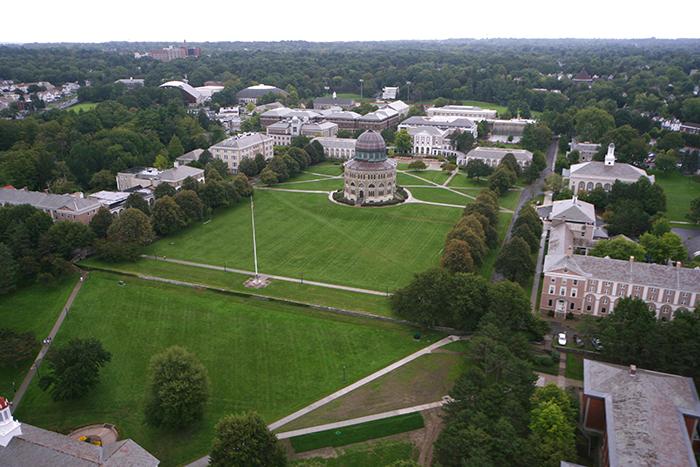
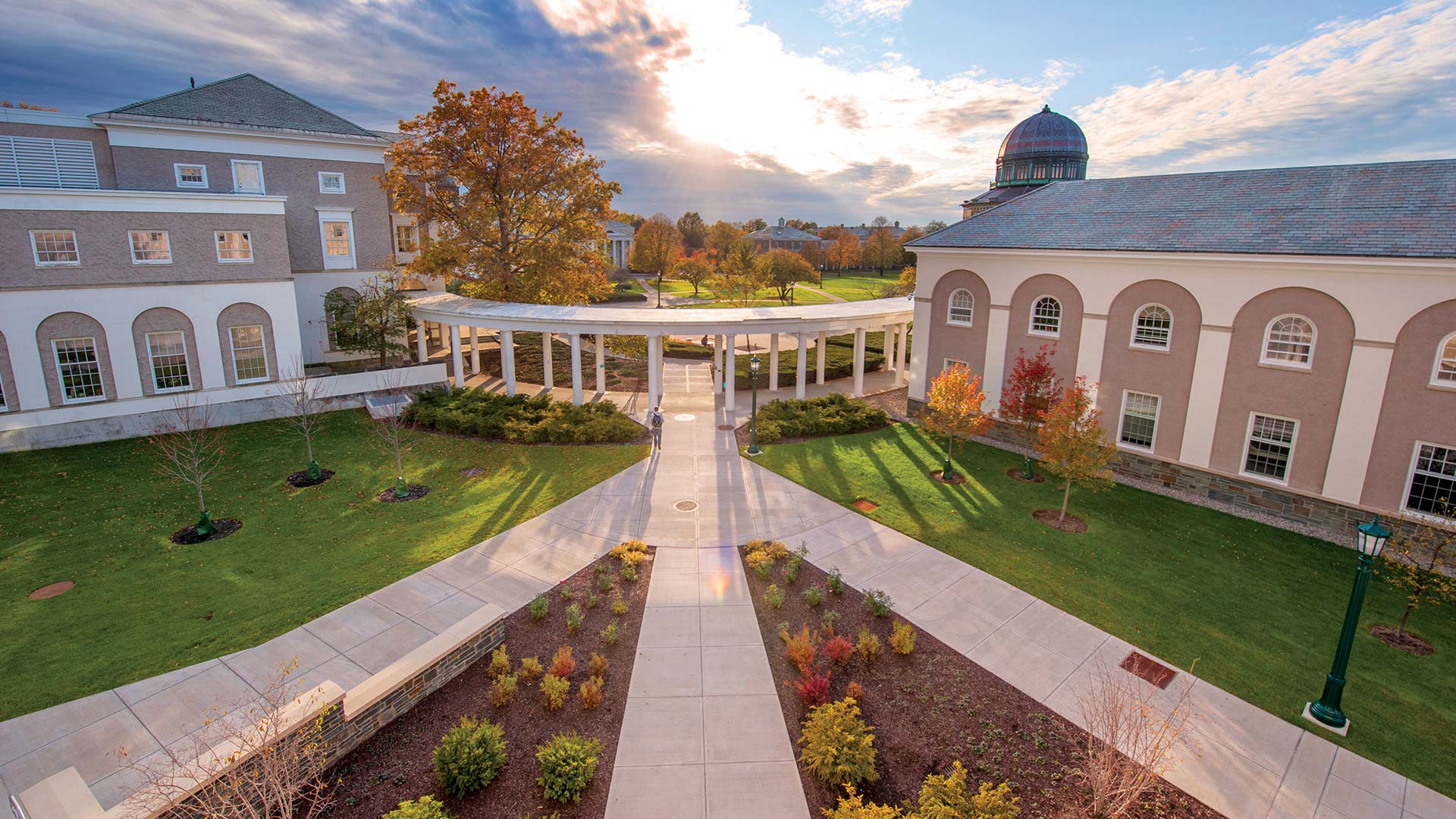
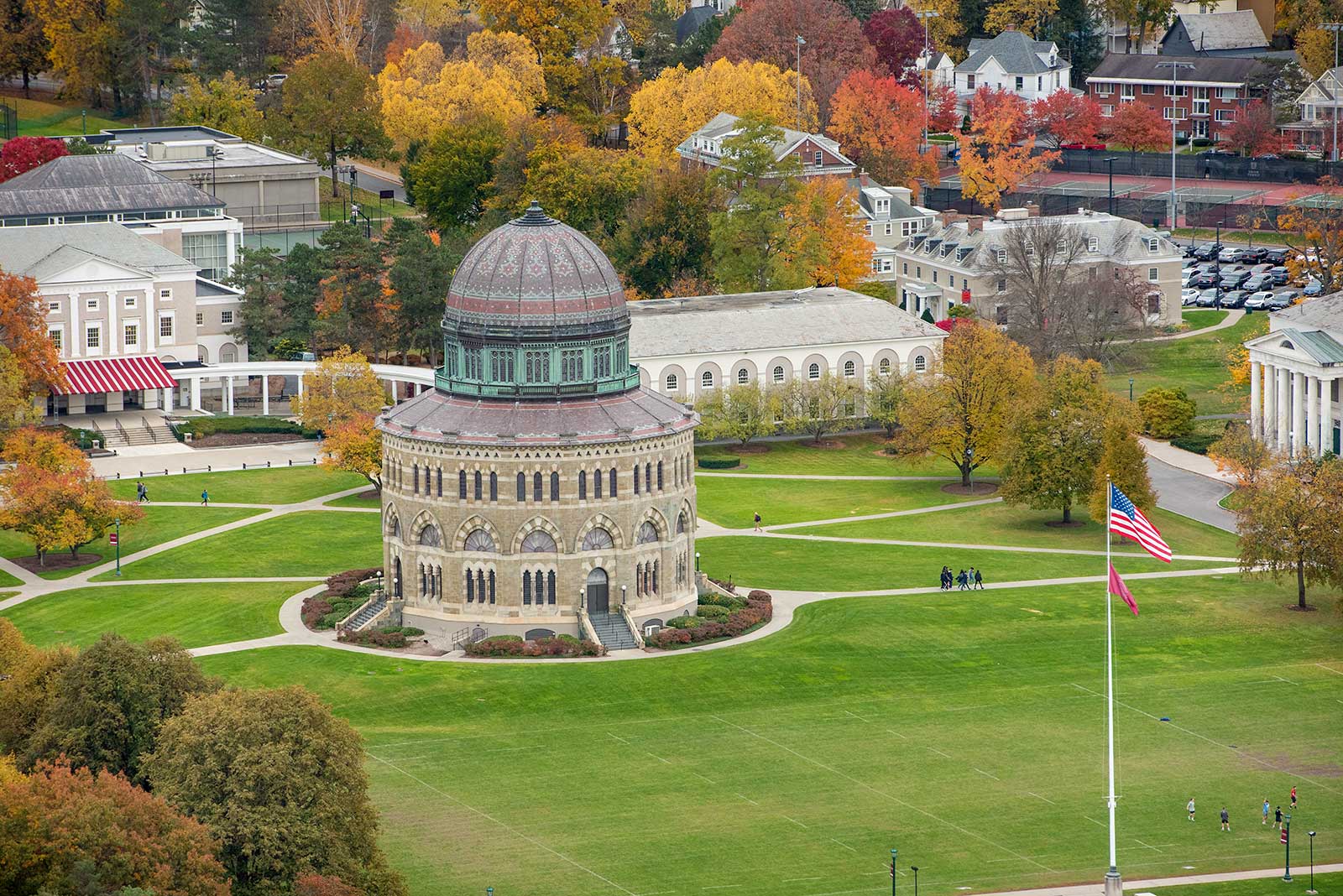
Union College is a small but mighty liberal arts school in Schenectady, NY, where the humanities and engineering collide. With a 44% acceptance rate and SAT scores in the 1310-1480 range for admitted students, it's selective but not cutthroat. The real draw? A rare blend of intimate liberal arts classes and ABET-accredited engineering programs, all on a campus where 92% of students live all four years.
Admissions
Union College is selective but not elite, with a 44% Acceptance rateThe share of applicants a college admits in a given year. A 10% acceptance rate means it admits about 1 in 10 applicants. ([8], [9], [10], [11]). The middle 50% SAT range for enrolled students is 1320-1460, while ACT scores hover between 30-33 ([7]). Early applicants have a slight edge, with a 53.1% acceptance rate ([8]). The admissions process is holistic, with a focus on academic rigor and extracurricular engagement, though test scores remain a significant factor ([7], [10]).
Academics
Union’s curriculum is a deliberate mashup of liberal arts and engineering—a rarity among small colleges. It offers ABET-accredited engineering degrees alongside traditional humanities majors ([17], [13]). Popular majors include Social Sciences, Engineering, and Biological Sciences ([16]). Small classes are the norm, with students frequently citing close professor relationships as a highlight ([18]). The interdisciplinary approach means humanities students take science courses and engineers study philosophy—no silos here ([14]).
Sources
- Common Data Set (CDS) | Institutional Research - Union College
- [PDF] Union College Common Data Set 2025-2026 Edition
- Common Data Set: Home
- Common Data Set - UCNJ
- Common Data Set Repository - College Transitions
- [PDF] Common Data Set Definitions - Union College
- CLASS OF 2029 PROFILE | Admissions - Union College
- Union College Admissions - U.S. News & World Report
- Union SAT Scores and GPA
- Union College Admissions - BigFuture College Search