Loading…
← All schools
Texas State University
San Marcos, TXpublictxst.edu
- Acceptance rateThe share of applicants a college admits in a given year. A 10% acceptance rate means it admits about 1 in 10 applicants.
- 89%
- SAT 25th-75th percentileThe middle range of SAT scores for admitted students: a quarter scored below the low number and a quarter scored above the high number.
- 980–1200
- Undergrad enrollment
- 36,177
- Net priceWhat a family actually pays after grants and scholarships are subtracted from the sticker price — usually far less than the published cost.
- $16,805
- In-state tuition
- $11,450
- Out-of-state tuition
- $22,930
- Median Debt
- $21,000
- Test Policy
- Optional for top 75% of HS class
- Avg SAT Range
- 990–1200
- Acceptance Rate
- 89%
- Notable Programs
- Forensics, Business, Criminal Justice
- On-Campus Housing
- 22% of students
- Six-Year Grad Rate
- 56%
Quick answers
- What is the acceptance rate at Texas State University?
- Texas State University's acceptance rate is approximately 89% (San Marcos, TX), based on the most recent figures we compiled from public and primary sources.
- What SAT score do you need for Texas State University?
- Admitted students at Texas State University typically score 980–1200 on the SAT (the middle-50% range). Scores outside this band are still admitted, especially with strong applications.
- How much does Texas State University cost?
- At Texas State University, the average net price (after aid) is about $16,805 per year. Actual cost varies with financial aid and residency.
- How many undergraduates attend Texas State University?
- Texas State University enrolls approximately 36,177 undergraduate students.
- Where is Texas State University located?
- Texas State University is located in San Marcos, TX.
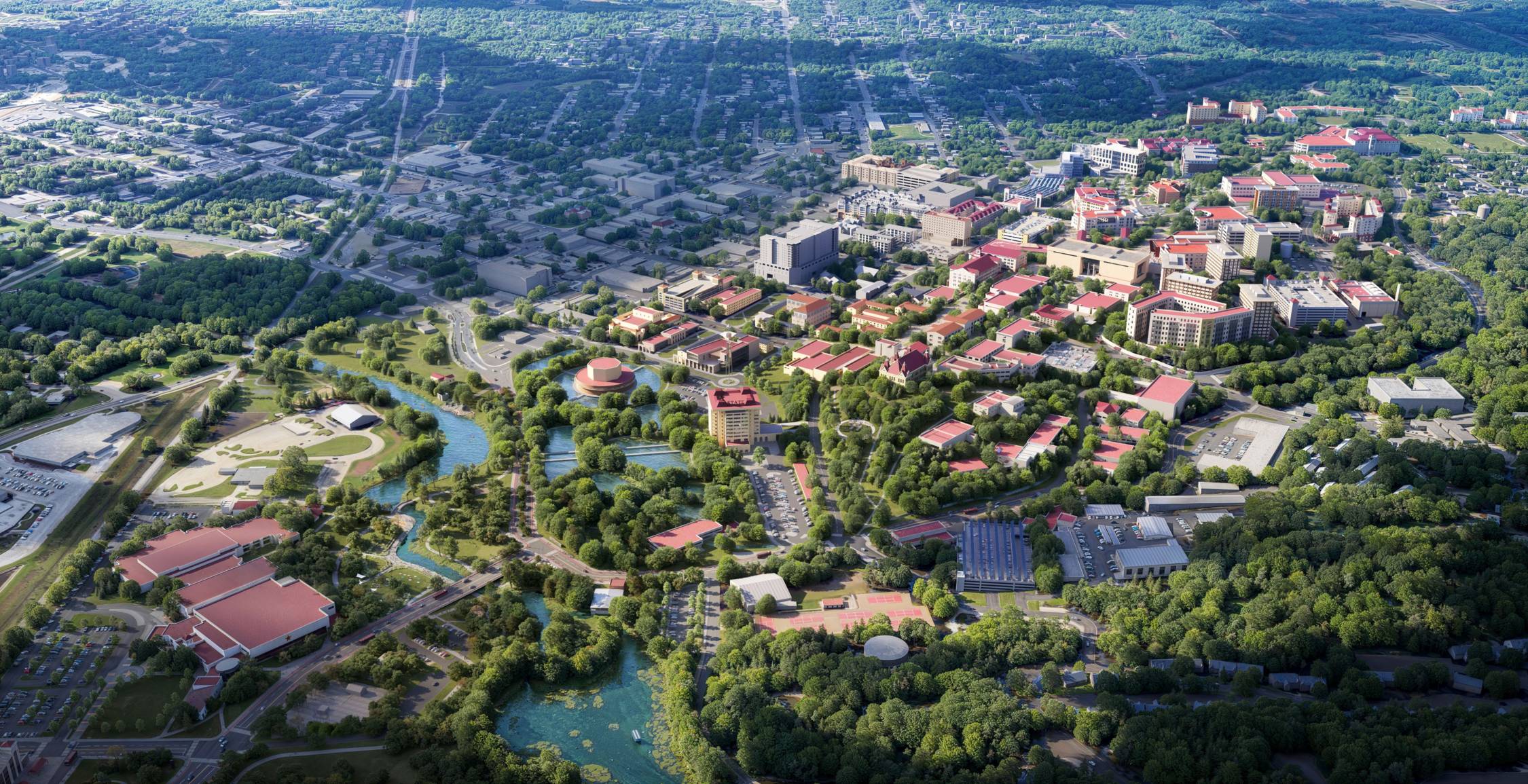
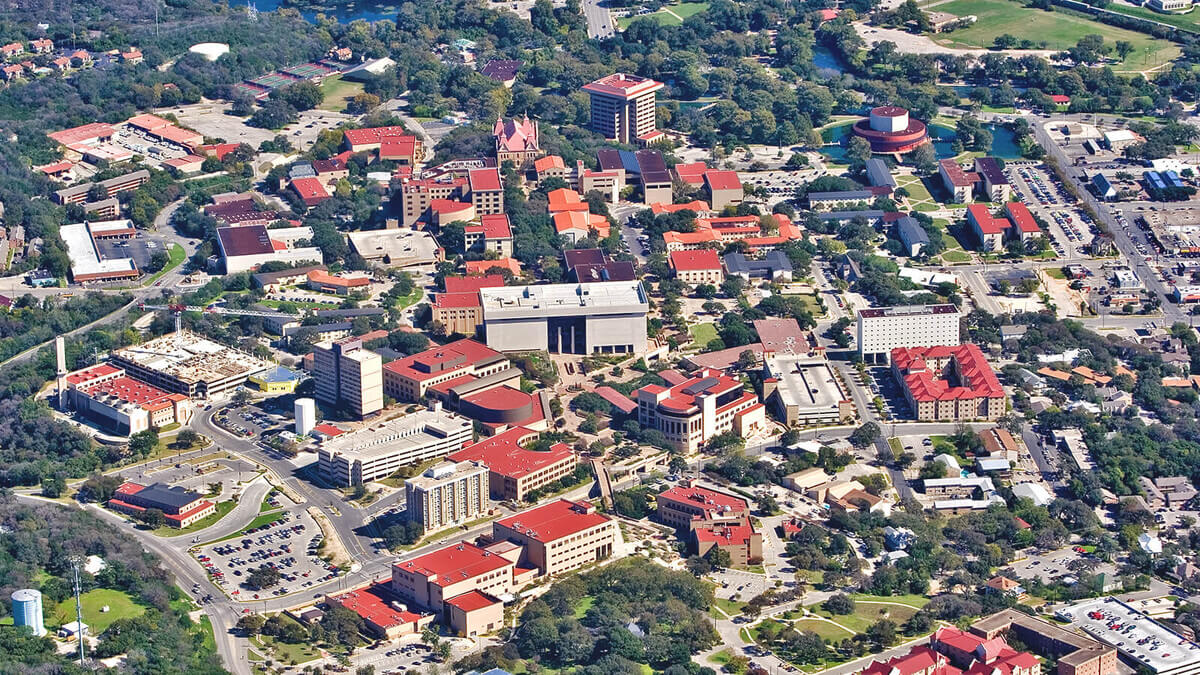
Texas State University is a lively public research university where the San Marcos River runs through campus life as much as academics. With an 89% acceptance rate and test-optional policies for top-performing students, it's an accessible gateway to strong programs in forensics, business, and education—all set against a backdrop of Texas Hill Country charm and a student body that thrives on outdoor adventures and tight-knit community.
Admissions
Texas State keeps its doors wide open with an 89% acceptance rate, making it one of the more accessible public universities in Texas. The school is test-optional for students in the top 75% of their high school class, a policy that reflects its commitment to accessibility. SAT scores for admitted students typically fall between 990–1200, though the university emphasizes Holistic admissionsA review that weighs the whole applicant — grades, essays, activities, and context — rather than relying on test scores and GPA alone. beyond test scores. Recent data shows over 29,000 applicants annually, with about 26,000 accepted and a sizable enrollment of 36,000+ students—indicating high YieldThe share of admitted students who actually choose to enroll. Colleges watch it closely, which is why some weigh how interested you seem. for a non-flagship state school.
Sources
- Common Data Set - Data, Analytics & Institutional Research
- [PDF] Common Data Set 2024-2025
- [PDF] Welcome to the 2025-2026 Common Data Set collection!
- [PDF] Common Data Set 2022-2023 - GENERAL INFORMATION
- Common Data Set | Institutional Success and Decision Support - oisds
- Common Data Set: Home
- Freshman Admission Requirements
- Texas State University Admissions - BigFuture College Search
- What You Need For Texas State: SAT Scores and GPA - PrepScholar
- Texas State University - Tuition and Acceptance Rate - Peterson's