Loading…
← All schools
Southern University at New Orleans
New Orleans, LApublicwww.suno.edu/
- Acceptance rateThe share of applicants a college admits in a given year. A 10% acceptance rate means it admits about 1 in 10 applicants.
- 79%
- SAT 25th-75th percentileThe middle range of SAT scores for admitted students: a quarter scored below the low number and a quarter scored above the high number.
- 820–1050
- Undergrad enrollment
- 1,055
- Net priceWhat a family actually pays after grants and scholarships are subtracted from the sticker price — usually far less than the published cost.
- $14,810
- In-state tuition
- $8,054
- Out-of-state tuition
- $16,954
- Housing
- 21% on-campus
- Net Price
- $14,825/year
- Avg SAT/ACT
- SAT 820-1050 / ACT 14-18
- HBCU Status
- Yes (80% Black enrollment)
- Acceptance Rate
- 60-85% (sources vary)
- 6-Year Grad Rate
- 13-36%
- Most Popular Majors
- Criminal Justice, Psychology, Business
Quick answers
- What is the acceptance rate at Southern University at New Orleans?
- Southern University at New Orleans's acceptance rate is approximately 79% (New Orleans, LA), based on the most recent figures we compiled from public and primary sources.
- What SAT score do you need for Southern University at New Orleans?
- Admitted students at Southern University at New Orleans typically score 820–1050 on the SAT (the middle-50% range). Scores outside this band are still admitted, especially with strong applications.
- How much does Southern University at New Orleans cost?
- At Southern University at New Orleans, the average net price (after aid) is about $14,810 per year. Actual cost varies with financial aid and residency.
- How many undergraduates attend Southern University at New Orleans?
- Southern University at New Orleans enrolls approximately 1,055 undergraduate students.
- Where is Southern University at New Orleans located?
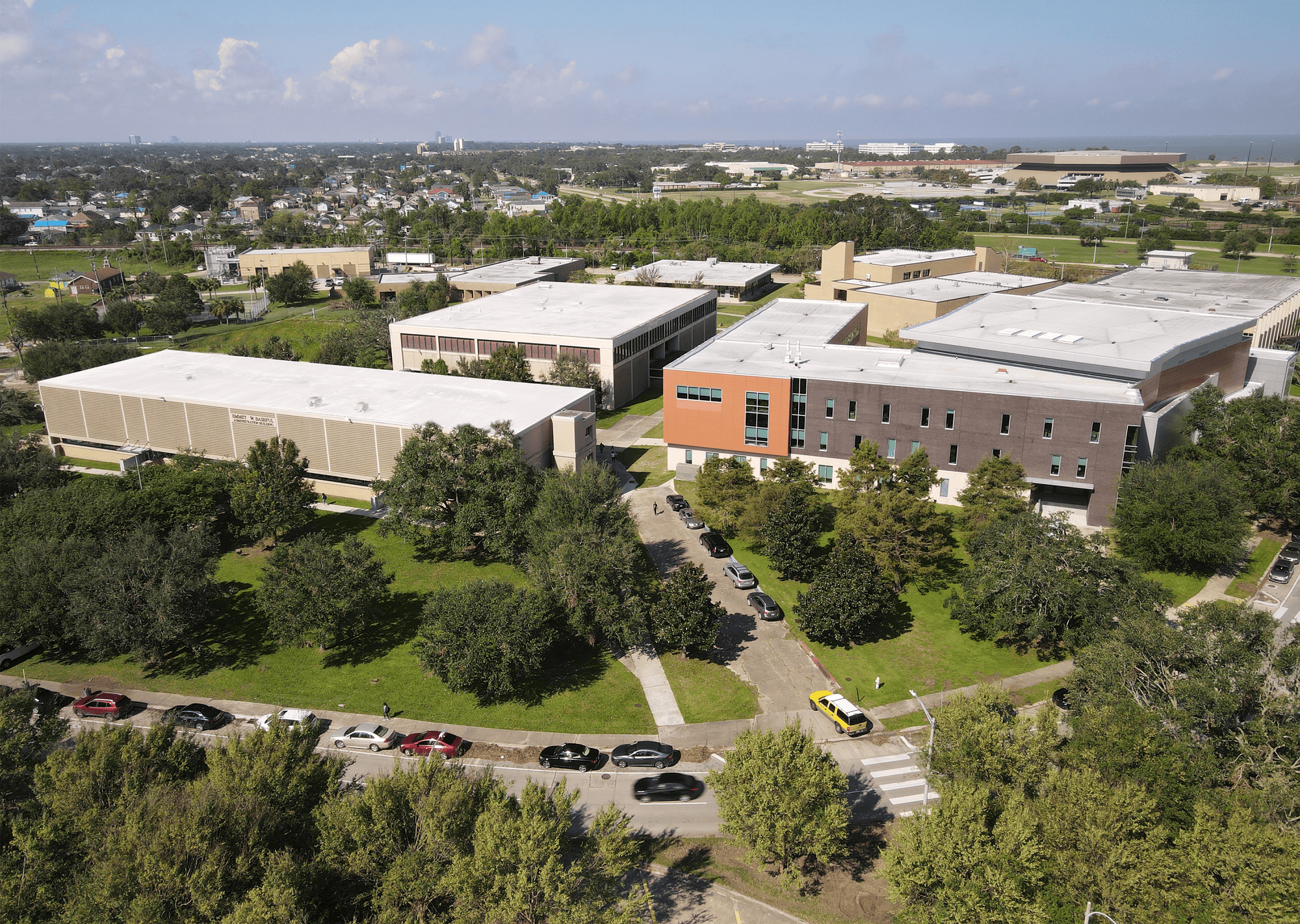
- Southern University at New Orleans is located in New Orleans, LA.
Southern University at New Orleans (SUNO) is a public HBCU with an open-door ethos, where 60-85% of applicants are admitted—many from under-resourced backgrounds. Its scrappy, community-focused vibe centers on practical degrees like criminal justice and business, though retention and graduation rates lag behind national averages. For students seeking an affordable, supportive environment in a culturally rich city, SUNO offers a path—but one that demands resilience.
Admissions
SUNO is one of the more accessible public HBCUs, with reported Acceptance rateThe share of applicants a college admits in a given year. A 10% acceptance rate means it admits about 1 in 10 applicants. ranging from 60.2% (per College Board) to 85% (U.S. News). Test scores are modest—mid-50% ranges are SAT 820-1050 and ACT 14-18—and the university requires SAT/ACT submissions for applicants under 24. Notably, only about 36% of admitted students enroll, suggesting many use SUNO as a safety school. The application process is straightforward via the Common App, with no early decision option.
Sources
- [PDF] Common Data Set - The University of New Orleans
- Common Data Sets | Loyola University New Orleans
- Common Data Set: Home
- Southern University at New Orleans - Profile, Rankings and Data
- Admissions | Home - Southern University at New Orleans
- [PDF] Common Data Set 2022-2023
- Southern University at New Orleans Admissions
- Southern University at New Orleans SAT Scores and GPA
- Southern University at New Orleans Admissions - BigFuture
- Southern University at New Orleans - Tuition and Acceptance Rate