Loading…
← All schools
Southern California Institute of Architecture
Los Angeles, CAprivate nonprofitwww.sciarc.edu/
- Acceptance rateThe share of applicants a college admits in a given year. A 10% acceptance rate means it admits about 1 in 10 applicants.
- 77%
- Undergrad enrollment
- 236
- Net priceWhat a family actually pays after grants and scholarships are subtracted from the sticker price — usually far less than the published cost.
- $43,923
- In-state tuition
- $56,162
- Out-of-state tuition
- $56,162
- Avg. GPA
- 3.5
- Avg. SAT
- 1020-1230
- Studio Culture
- 24/7 access
- Acceptance Rate
- 74-77%
- Graduation Rate
- 74.19%
- Signature Program
- B.Arch (NAAB-accredited)
- Student Body Size
- ~500
- Early Career Salary
- $45,000
- Net Price After Aid
Quick answers
- What is the acceptance rate at Southern California Institute of Architecture?
- Southern California Institute of Architecture's acceptance rate is approximately 77% (Los Angeles, CA), based on the most recent figures we compiled from public and primary sources.
- How much does Southern California Institute of Architecture cost?
- At Southern California Institute of Architecture, the average net price (after aid) is about $43,923 per year. Actual cost varies with financial aid and residency.
- How many undergraduates attend Southern California Institute of Architecture?
- Southern California Institute of Architecture enrolls approximately 236 undergraduate students.
- Where is Southern California Institute of Architecture located?
- Southern California Institute of Architecture is located in Los Angeles, CA.
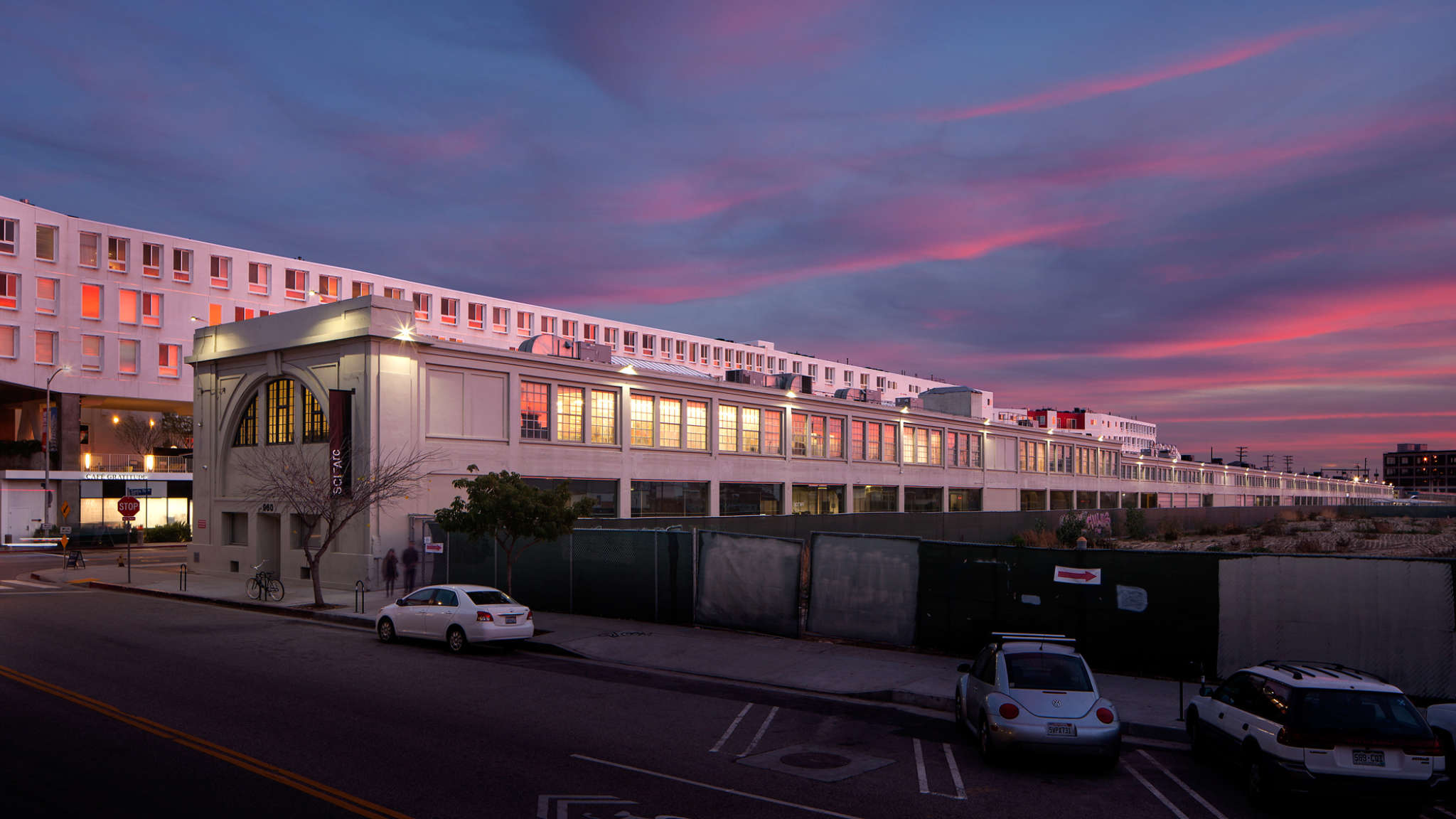
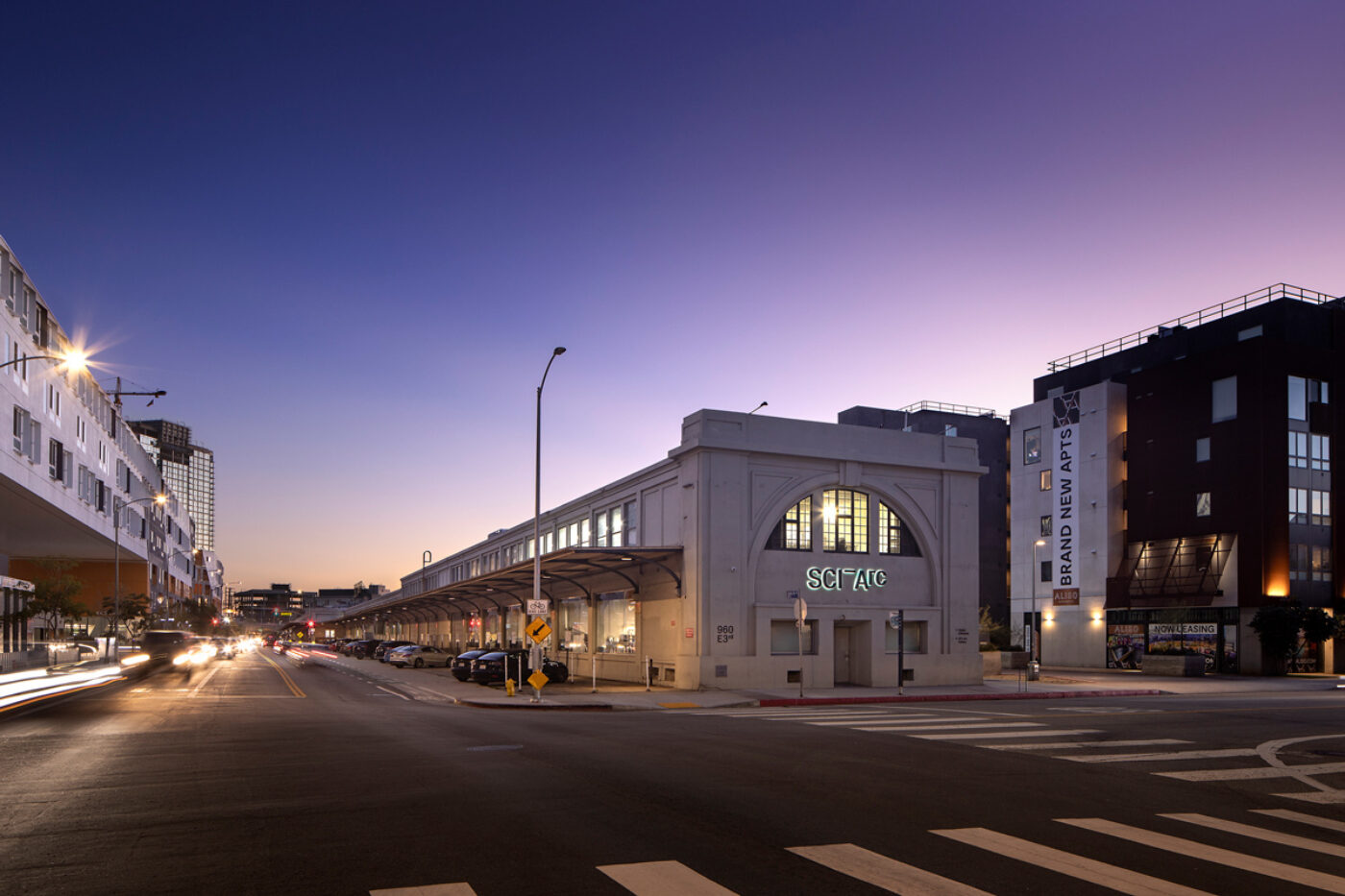
SCI-Arc is a fiercely experimental architecture school where avant-garde design meets the raw energy of Los Angeles. With a 74% acceptance rate and a studio-centric culture, it attracts students who thrive in its unorthodox, theory-driven approach—though early career earnings lag behind peers. This is where architecture gets radical.
Admissions
SCI-Arc maintains a moderately selective admissions process with an Acceptance rateThe share of applicants a college admits in a given year. A 10% acceptance rate means it admits about 1 in 10 applicants. hovering between 74-77% (sources vary slightly). Of 748 applicants in 2024, 573 were admitted, with 238 enrolling. The middle 50% of admitted students score between 1020-1230 on the SAT or 19-26 on the ACT, with an average GPA of 3.5. Unlike traditional universities, geographical residence and demographic factors appear less weighted than portfolio strength—this is an institution that evaluates creative potential above all.
Sources
- Common Data Set 2023-2024 - Office of Institutional Research
- [PDF] Common Data Set 2024-2025 - Institutional Research Office - Caltech
- Common Data Set - Saint Mary's College of California
- Southern California Institute of Architecture | Data USA
- Southern California Institute of Architecture - IPEDS
- SCI-Arc Acceptance Rate | Study in Los Angeles - AcademicJobs.com
- Southern California Institute of Architecture Admission Requirements
- Southern California Institute of Architecture Acceptance Rate
- Southern California Institute of Architecture - Tuition and Acceptance ...