Loading…
← All schools
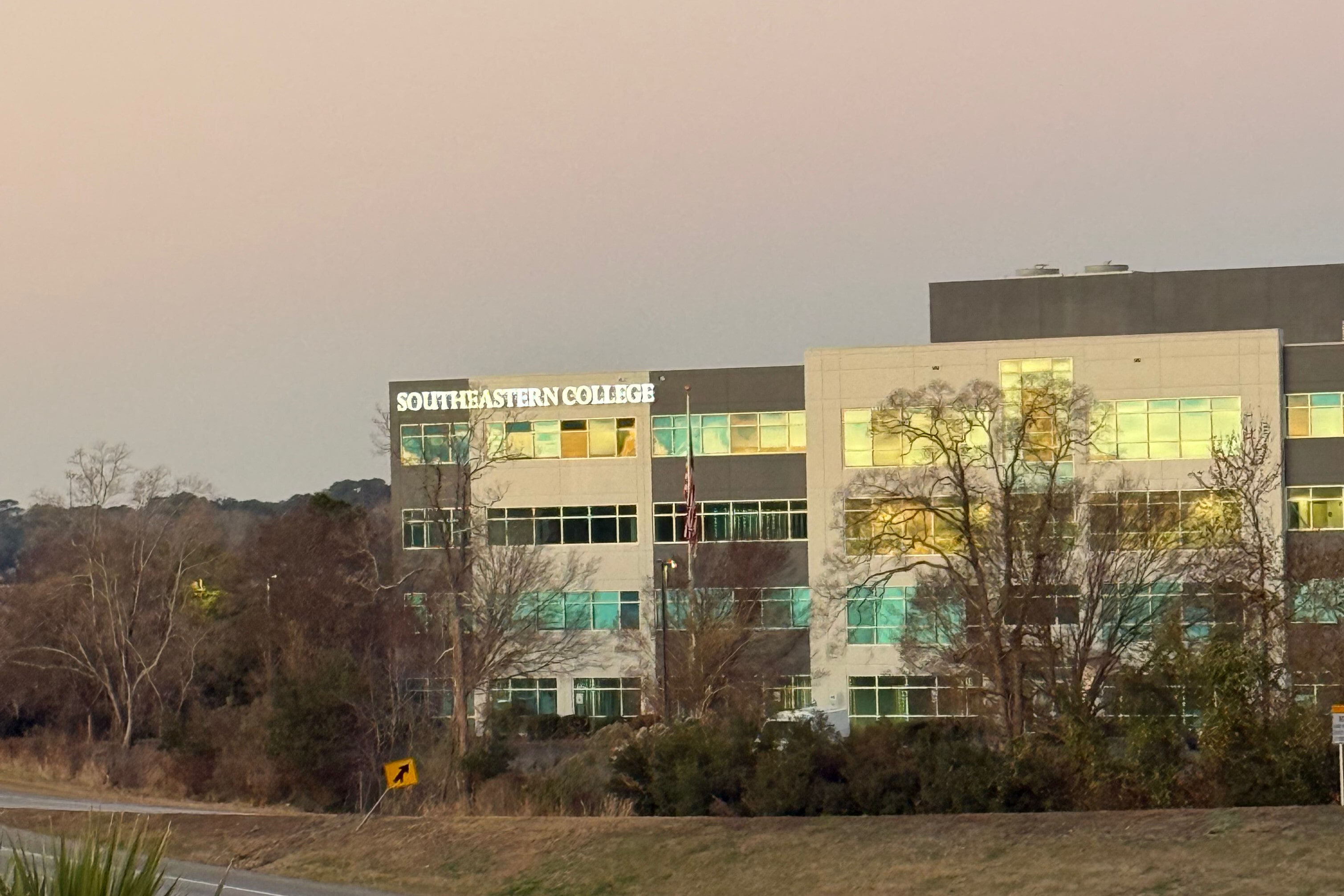
Southeastern College-Columbia
Columbia, SCprivate forprofitwww.sec.edu/
- Acceptance rateThe share of applicants a college admits in a given year. A 10% acceptance rate means it admits about 1 in 10 applicants.
- 97%
- Undergrad enrollment
- 267
- Net priceWhat a family actually pays after grants and scholarships are subtracted from the sticker price — usually far less than the published cost.
- $31,941
- In-state tuition
- $25,080
- Out-of-state tuition
- $25,080
- Net Price
- $38,059
- Acceptance Rate
- 97.3%
- Degrees Offered
- Associate only
- Graduation Rate
- 56%
- Undergrad Enrollment
- 249
- Student-Faculty Ratio
- 10:1
- Median Earnings 1 Yr After Grad
- $25,454
Quick answers
- What is the acceptance rate at Southeastern College-Columbia?
- Southeastern College-Columbia's acceptance rate is approximately 97% (Columbia, SC), based on the most recent figures we compiled from public and primary sources.
- How much does Southeastern College-Columbia cost?
- At Southeastern College-Columbia, the average net price (after aid) is about $31,941 per year. Actual cost varies with financial aid and residency.
- How many undergraduates attend Southeastern College-Columbia?
- Southeastern College-Columbia enrolls approximately 267 undergraduate students.
- Where is Southeastern College-Columbia located?
- Southeastern College-Columbia is located in Columbia, SC.
Southeastern College-Columbia is a career-focused institution where nearly everyone gets in (97% acceptance rate) but not everyone sticks around (56% graduation rate). With a tight 10:1 student-faculty ratio and associate degrees in practical fields, it's built for students who want hands-on training fast—though at $38K net price, it's pricier than many expect from a non-selective school.
Admissions
Getting into Southeastern College-Columbia is about as competitive as walking through an open door—the school admitted 97.3% of applicants in recent years, with Acceptance rateThe share of applicants a college admits in a given year. A 10% acceptance rate means it admits about 1 in 10 applicants. fluctuating between 92-97% across sources. With just 112 applicants for 109 spots, this is the opposite of a bottleneck. The school has no SAT/ACT requirements and openly states it's among the 'least selective (85%+)' institutions nationally. One oddity: admissions dropped 31.4% year-over-year, suggesting shifting demand.
Academics
Sources
- Columbia University's Common Data Set
- Common Data Set: Home
- Columbia Common Dataset 2024 : How to get into Columbia?
- [PDF] 2023-2024 Common Data Set Template - Columbia College
- [PDF] Common Data Set 2024-2025 - Columbia College Chicago
- Common Data set - Columbia University
- Southeastern College-Columbia Admissions - BigFuture
- Southeastern College-columbia Acceptance Rate, SAT, GPA & ACT ...
- Southeastern College-Columbia Entering Class Stats & Admissions ...
- How to Get Into Columbia: Admissions Stats + Tips | CollegeVine Blog