Loading…
← All schools
South Dakota School of Mines and Technology
Rapid City, SDpublicsdsmt.edu
- Acceptance rateThe share of applicants a college admits in a given year. A 10% acceptance rate means it admits about 1 in 10 applicants.
- 80%
- SAT 25th-75th percentileThe middle range of SAT scores for admitted students: a quarter scored below the low number and a quarter scored above the high number.
- 1140–1340
- Undergrad enrollment
- 2,071
- Net priceWhat a family actually pays after grants and scholarships are subtracted from the sticker price — usually far less than the published cost.
- $20,183
- In-state tuition
- $10,500
- Out-of-state tuition
- $14,900
- Acceptance Rate
- 80%
- Job Placement Rate
- 97%
- Avg Starting Salary
- $61,300
- Net Price After Aid
- $23,523
- Avg ACT (Middle 50%)
- 20-27
- Avg SAT (Middle 50%)
- 1130-1320
- Student-Faculty Ratio
- 13:1
Quick answers
- What is the acceptance rate at South Dakota School of Mines and Technology?
- South Dakota School of Mines and Technology's acceptance rate is approximately 80% (Rapid City, SD), based on the most recent figures we compiled from public and primary sources.
- What SAT score do you need for South Dakota School of Mines and Technology?
- Admitted students at South Dakota School of Mines and Technology typically score 1140–1340 on the SAT (the middle-50% range). Scores outside this band are still admitted, especially with strong applications.
- How much does South Dakota School of Mines and Technology cost?
- At South Dakota School of Mines and Technology, the average net price (after aid) is about $20,183 per year. Actual cost varies with financial aid and residency.
- How many undergraduates attend South Dakota School of Mines and Technology?
- South Dakota School of Mines and Technology enrolls approximately 2,071 undergraduate students.
- Where is South Dakota School of Mines and Technology located?
- South Dakota School of Mines and Technology is located in Rapid City, SD.
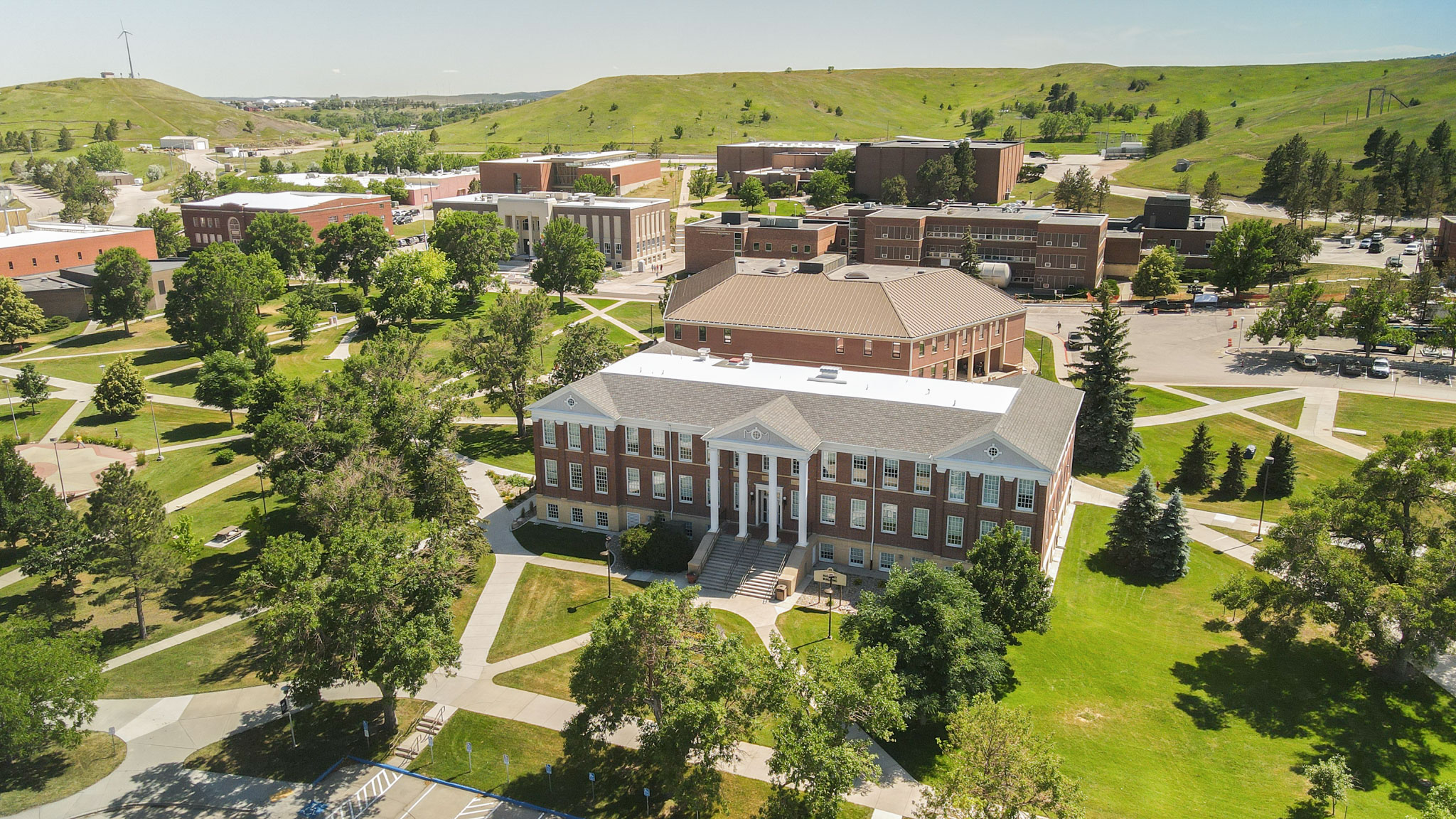
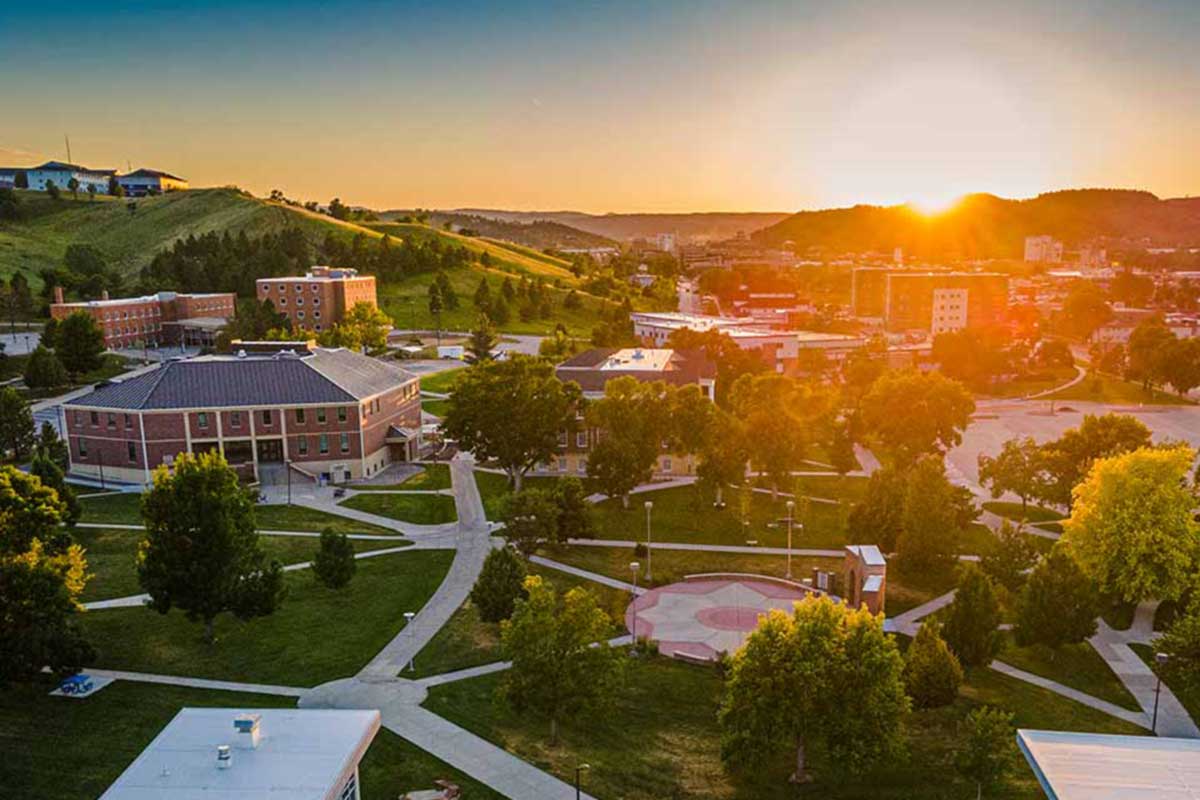
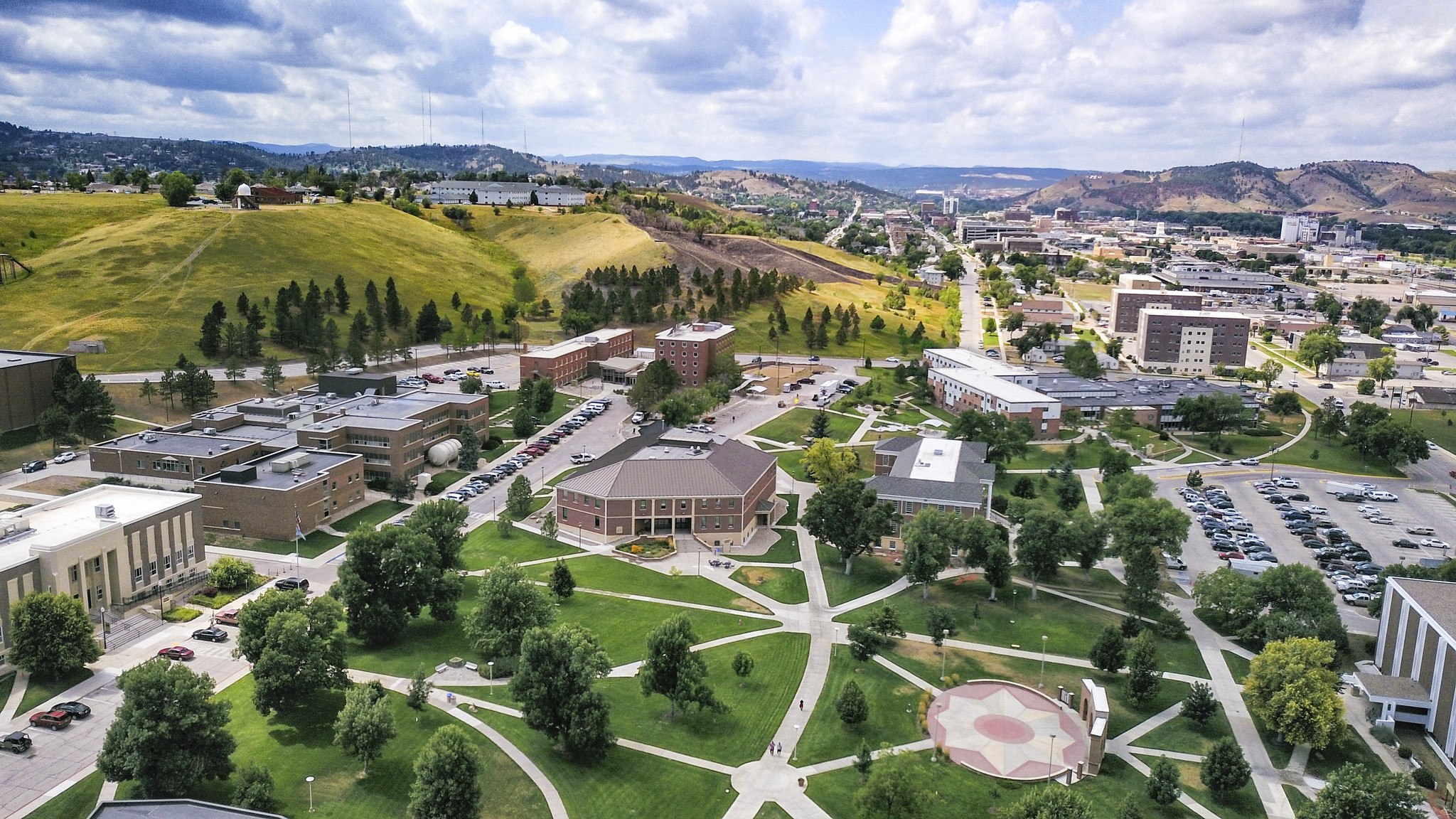
South Dakota School of Mines and Technology is a no-nonsense STEM powerhouse where future engineers and scientists get hands-on training amid the Black Hills. With an 80% acceptance rate, small classes taught by professors (not TAs), and a 97% job placement rate for grads, it’s a pragmatic choice for students who want to graduate with skills—not just debt. The vibe is ruggedly collaborative, with over 100 student clubs balancing out the intense coursework.
Admissions
South Dakota Mines is accessible but not a pushover—its 79-85% Acceptance rateThe share of applicants a college admits in a given year. A 10% acceptance rate means it admits about 1 in 10 applicants. (sources vary) makes it far less selective than elite engineering schools, but applicants still need solid math chops. The middle 50% of admitted students score between 1130-1320 on the SAT or 20-27 on the ACT, with math subscores carrying weight. Notably, 93% of students receive financial aid, softening the blow of tuition. The school explicitly welcomes DACA and undocumented students who completed U.S. high schools.
Sources
- Institutional Research - South Dakota Mines
- [PDF] Common Data Set 2024-2025 - University of South Dakota
- Common Data Set: Home
- How To Use a Common Data Set - The College Solution
- Common Data Set - Institutional Research | Strategic Analytics
- Useful Resource: a Repository of Common Data Set - Reddit
- South Dakota School of Mines and Technology Admissions
- South Dakota School of Mines and Technology Admissions
- South Dakota School of Mines and Technology SAT Scores and GPA