Loading…
← All schools
Shippensburg University of Pennsylvania
Shippensburg, PApublicwww.ship.edu/
- Acceptance rateThe share of applicants a college admits in a given year. A 10% acceptance rate means it admits about 1 in 10 applicants.
- 87%
- Undergrad enrollment
- 4,086
- Net priceWhat a family actually pays after grants and scholarships are subtracted from the sticker price — usually far less than the published cost.
- $23,726
- In-state tuition
- $13,720
- Out-of-state tuition
- $15,974
- ACT Range
- 16-23
- Net Price
- $21,691
- SAT Range
- 940-1140
- Student Clubs
- 150+
- Acceptance Rate
- 87-91%
- Undergrad Programs
- 100+
- Campus Housing Rank
- #3 (Niche)
- Most Popular Majors
- Business, Education, Psychology
- Students Receiving Aid
- 98%
- Graduation Rate (6-year)
- 56%
- Median Earnings (6 years post-grad)
- $45,010
Quick answers
- What is the acceptance rate at Shippensburg University of Pennsylvania?
- Shippensburg University of Pennsylvania's acceptance rate is approximately 87% (Shippensburg, PA), based on the most recent figures we compiled from public and primary sources.
- How much does Shippensburg University of Pennsylvania cost?
- At Shippensburg University of Pennsylvania, the average net price (after aid) is about $23,726 per year. Actual cost varies with financial aid and residency.
- How many undergraduates attend Shippensburg University of Pennsylvania?
- Shippensburg University of Pennsylvania enrolls approximately 4,086 undergraduate students.
- Where is Shippensburg University of Pennsylvania located?
- Shippensburg University of Pennsylvania is located in Shippensburg, PA.
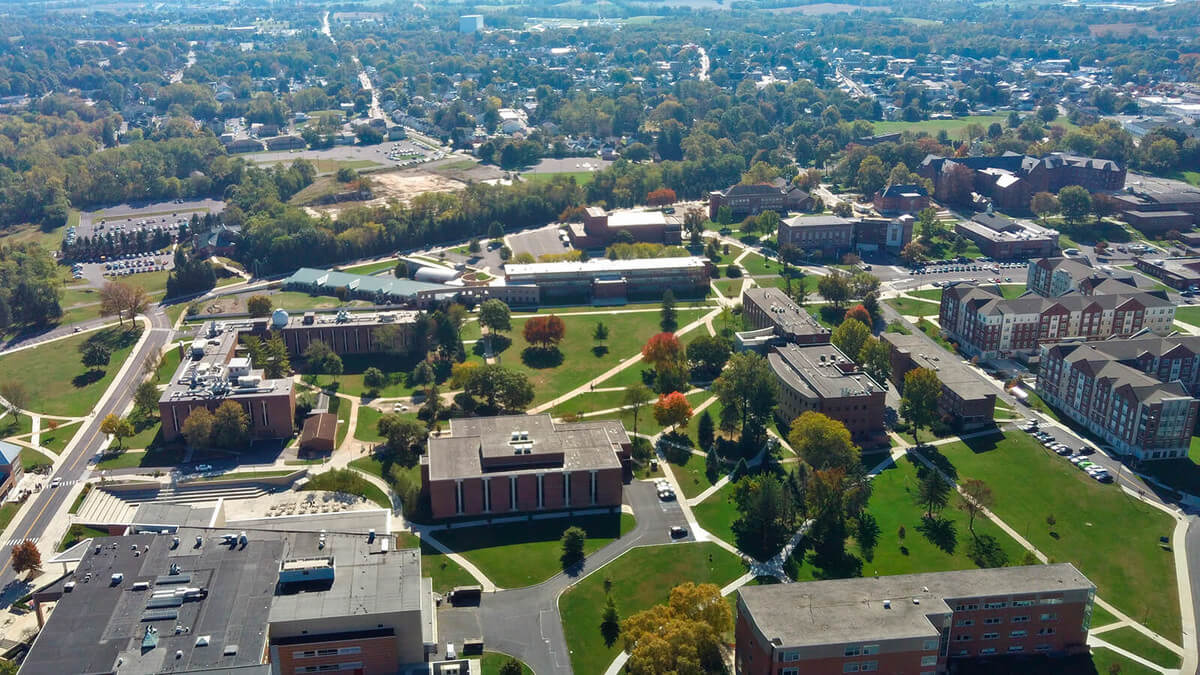
Shippensburg University of Pennsylvania is a public university with a welcoming admissions policy (acceptance rates hover around 87-91%) and a focus on practical, career-ready programs—particularly in business, education, and psychology. Its suburban campus offers a tight-knit community vibe, with over 150 student clubs and notably strong housing options (#3 ranked by Niche). While graduation rates lag slightly behind national averages (56% six-year rate), its affordability (net price ~$21,691) and median graduate earnings (~$45,010) make it a pragmatic choice for Pennsylvania students.
Admissions
Shippensburg University is decidedly not a selective institution, with Acceptance rateThe share of applicants a college admits in a given year. A 10% acceptance rate means it admits about 1 in 10 applicants. consistently between 85-91% across sources. Test scores are modest (SAT range: 940-1140, ACT: 16-23), and the university operates on rolling admissions with a final deadline of August 1. The admissions office emphasizes support for adult learners and transfer students, with dedicated staff and toll-free assistance (717-477-1231 or 1-800-822-8028). Notably, 98% of students receive financial aid, softening the barrier to entry further.
Sources
- Common Data Set Archive (2007-2022) - Shippensburg University
- Common Data Set Definitions - Shippensburg University
- Common Data Set (CDS) Penn - Institutional Research & Analysis
- 2003 Common Data Set: Shippensburg University
- Shippensburg University of Pennsylvania Common Data Set (CDS ...
- Shippensburg University of Pennsylvania - DFR Report HTML
- Shippensburg University of Pennsylvania Admissions - BigFuture
- Shippensburg University of Pennsylvania SAT Scores and GPA
- Shippensburg University of Pennsylvania Admissions
- Shippensburg University of Pennsylvania Admissions