Loading…
← All schools
School of Visual Arts
New York, NYprivate forprofitsva.edu
- Acceptance rateThe share of applicants a college admits in a given year. A 10% acceptance rate means it admits about 1 in 10 applicants.
- 93%
- SAT 25th-75th percentileThe middle range of SAT scores for admitted students: a quarter scored below the low number and a quarter scored above the high number.
- 1188–1490
- Undergrad enrollment
- 3,244
- Net priceWhat a family actually pays after grants and scholarships are subtracted from the sticker price — usually far less than the published cost.
- $57,914
- In-state tuition
- $51,400
- Out-of-state tuition
- $51,400
- Acceptance Rate
- 92.6%
- Graduation Rate
- 76%
- Most Popular Major
- Illustration
- Average Aid Package
- $24,908
- Avg. High School GPA
- 3.4
- Student-Faculty Ratio
- 9:1
- Percentage Receiving Aid
- 64%
- Total Cost of Attendance
- $87,868
- Median Debt at Graduation
- $27,000
- Median Earnings (6 Years Out)
- $42,822
Quick answers
- What is the acceptance rate at School of Visual Arts?
- School of Visual Arts's acceptance rate is approximately 93% (New York, NY), based on the most recent figures we compiled from public and primary sources.
- What SAT score do you need for School of Visual Arts?
- Admitted students at School of Visual Arts typically score 1188–1490 on the SAT (the middle-50% range). Scores outside this band are still admitted, especially with strong applications.
- How much does School of Visual Arts cost?
- At School of Visual Arts, the average net price (after aid) is about $57,914 per year. Actual cost varies with financial aid and residency.
- How many undergraduates attend School of Visual Arts?
- School of Visual Arts enrolls approximately 3,244 undergraduate students.
- Where is School of Visual Arts located?
- School of Visual Arts is located in New York, NY.
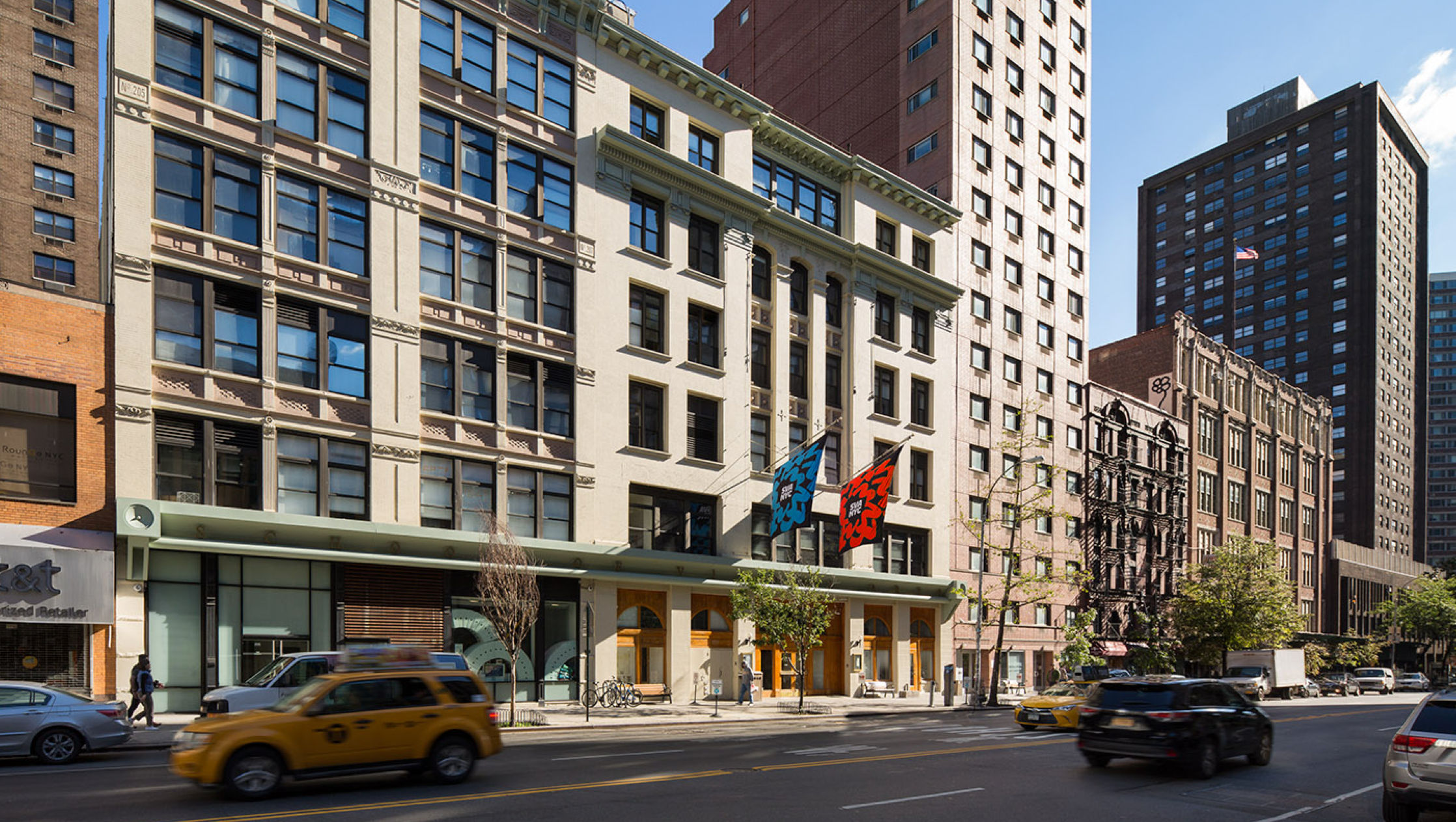
The School of Visual Arts (SVA) is a scrappy, industry-driven art school in the heart of Manhattan, where students trade ivy-covered quads for the grit and grind of New York's creative economy. With a 92.6% acceptance rate, it's accessible but rigorous—a place where BFA students in illustration, animation, and design build portfolios under working professionals, not academics. The trade-off? Graduates face median earnings of $42,822 six years out, but for those who thrive in SVA's sink-or-swim NYC ecosystem, the connections and creative stamina are priceless.
Admissions
SVA keeps its doors wide open—a 92.6% Acceptance rateThe share of applicants a college admits in a given year. A 10% acceptance rate means it admits about 1 in 10 applicants. means nearly all applicants get in, though the college describes its entrance difficulty as 'moderately difficult' ([3], [5], [8]). Test-optionalA policy where you choose whether to submit SAT or ACT scores. If you don't, the rest of your application carries more weight. since at least 2022, the school prioritizes portfolios over SAT scores (middle 50% range: 1200–1450) or GPAs (average freshman GPA: 3.4) ([7], [9], [10]). Notably, only 12% of admitted students had a 4.0 GPA or higher, suggesting SVA values artistic potential over academic perfection ([11]). International students face a recommended deadline but domestic applicants enjoy rolling admissions ([10], [32]).
Sources
- Data and Reports | School of Visual Arts | SVA NYC
- Student Data - SVA NYC - School of Visual Arts
- School of Visual Arts | Data USA
- [PDF] Common Data Set 2022-2023
- School of Visual Arts Overview - CollegeData
- School of Visual Arts | US News Best Colleges
- School of Visual Arts Admissions - BigFuture College Search
- School of Visual Arts SAT Scores and GPA - PrepScholar
- School of Visual Arts - Tuition and Acceptance Rate - Peterson's
- Undergraduate Application Requirements | SVA NYC