Loading…
← All schools
Salisbury University
Salisbury, MDpublicsalisbury.edu
- Acceptance rateThe share of applicants a college admits in a given year. A 10% acceptance rate means it admits about 1 in 10 applicants.
- 87%
- SAT 25th-75th percentileThe middle range of SAT scores for admitted students: a quarter scored below the low number and a quarter scored above the high number.
- 1180–1320
- Undergrad enrollment
- 6,057
- Net priceWhat a family actually pays after grants and scholarships are subtracted from the sticker price — usually far less than the published cost.
- $17,743
- In-state tuition
- $11,084
- Out-of-state tuition
- $22,174
- Test-Optional
- Yes
- Campus Housing
- 37% live on campus
- Acceptance Rate
- 87.5%
- Undergrad Majors
- 50+
- Avg Starting Salary
- $58,059
- Avg SAT (Middle 50%)
- 1200-1305
- Student-Faculty Ratio
- 12:1
- 4-Year Graduation Rate
Quick answers
- What is the acceptance rate at Salisbury University?
- Salisbury University's acceptance rate is approximately 87% (Salisbury, MD), based on the most recent figures we compiled from public and primary sources.
- What SAT score do you need for Salisbury University?
- Admitted students at Salisbury University typically score 1180–1320 on the SAT (the middle-50% range). Scores outside this band are still admitted, especially with strong applications.
- How much does Salisbury University cost?
- At Salisbury University, the average net price (after aid) is about $17,743 per year. Actual cost varies with financial aid and residency.
- How many undergraduates attend Salisbury University?
- Salisbury University enrolls approximately 6,057 undergraduate students.
- Where is Salisbury University located?
- Salisbury University is located in Salisbury, MD.
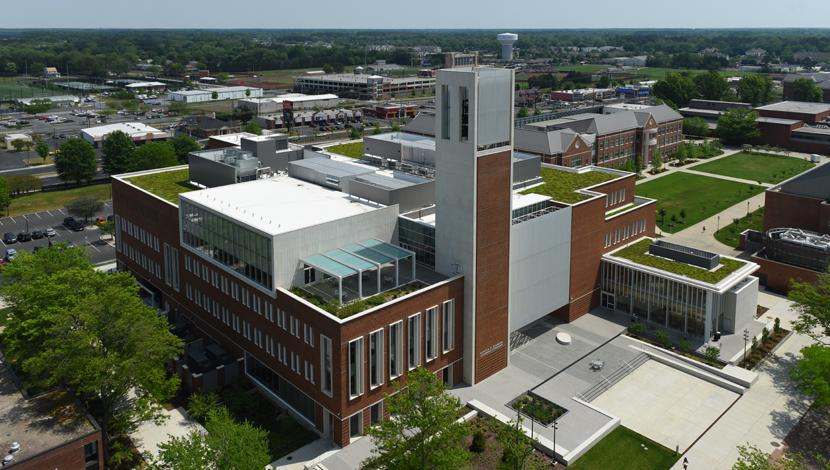
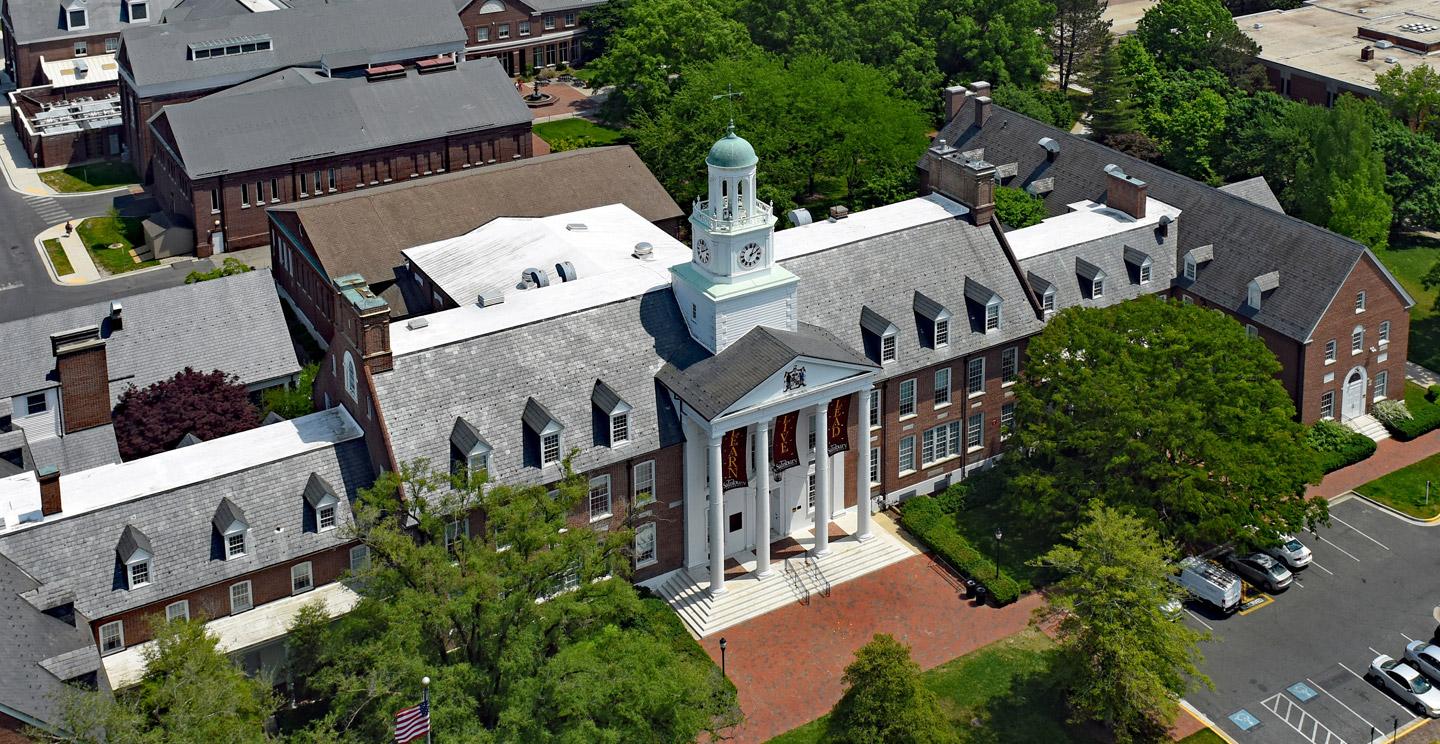
Salisbury University is a mid-sized public institution on Maryland’s Eastern Shore that combines the intimacy of a liberal arts college with the resources of a regional university. With an 87% acceptance rate and a test-optional policy, SU attracts students drawn to its strong business and health professions programs, tight-knit campus vibe, and coastal location that lends a laid-back, friendly atmosphere. The university punches above its weight in undergraduate research and boasts a 50% four-year graduation rate—unusually high for a public school of its size.
Admissions
Salisbury University maintains an 87.5% acceptance rate, making it far less selective than many regional public universities (sources vary slightly between 74-87.5%, with the most recent CDS suggesting the higher figure). The middle 50% of admitted students score between 1200-1305 on the SAT, with an average math score of 620. Notably, SU is test-optional—applicants aren’t required to submit SAT/ACT scores. Transfer students need a minimum 2.0 GPA with at least 30 credits from an accredited institution. About 35% of admitted students had a high school GPA of 4.0 or above, suggesting that while SU isn’t highly selective, it attracts a solid contingent of high-achievers.
Sources
- [PDF] Common Data Set 2025-2026 | Salisbury University
- [PDF] Common Data Set 2024-2025 - Salisbury University
- Institutional Research | Salisbury University
- [XLS] Here - Salisbury University
- Common Data Set: Home
- The Common Data Set: What It Is & How to Use It In College ...
- Salisbury University Admissions - BigFuture College Search
- Salisbury University SAT Scores and GPA - PrepScholar
- Application Evaluation Criteria | Salisbury University