Loading…
← All schools
Salem State University
Salem, MApublicsalemstate.edu
- Acceptance rateThe share of applicants a college admits in a given year. A 10% acceptance rate means it admits about 1 in 10 applicants.
- 96%
- Undergrad enrollment
- 4,291
- Net priceWhat a family actually pays after grants and scholarships are subtracted from the sticker price — usually far less than the published cost.
- $15,996
- In-state tuition
- $12,338
- Out-of-state tuition
- $19,531
- Location
- Salem, MA (30 miles north of Boston)
- Test Policy
- Test-optional
- Acceptance Rate
- 95.6%
- Most Popular Majors
- Nursing, Psychology, Criminal Justice
- Typical Student Debt
- $25,000
- 6-Year Graduation Rate
- 54%
- Avg SAT Range (Middle 50%)
- 970-1170
- Median Earnings 1 Year After Graduation
- $36,427
Quick answers
- What is the acceptance rate at Salem State University?
- Salem State University's acceptance rate is approximately 96% (Salem, MA), based on the most recent figures we compiled from public and primary sources.
- How much does Salem State University cost?
- At Salem State University, the average net price (after aid) is about $15,996 per year. Actual cost varies with financial aid and residency.
- How many undergraduates attend Salem State University?
- Salem State University enrolls approximately 4,291 undergraduate students.
- Where is Salem State University located?
- Salem State University is located in Salem, MA.
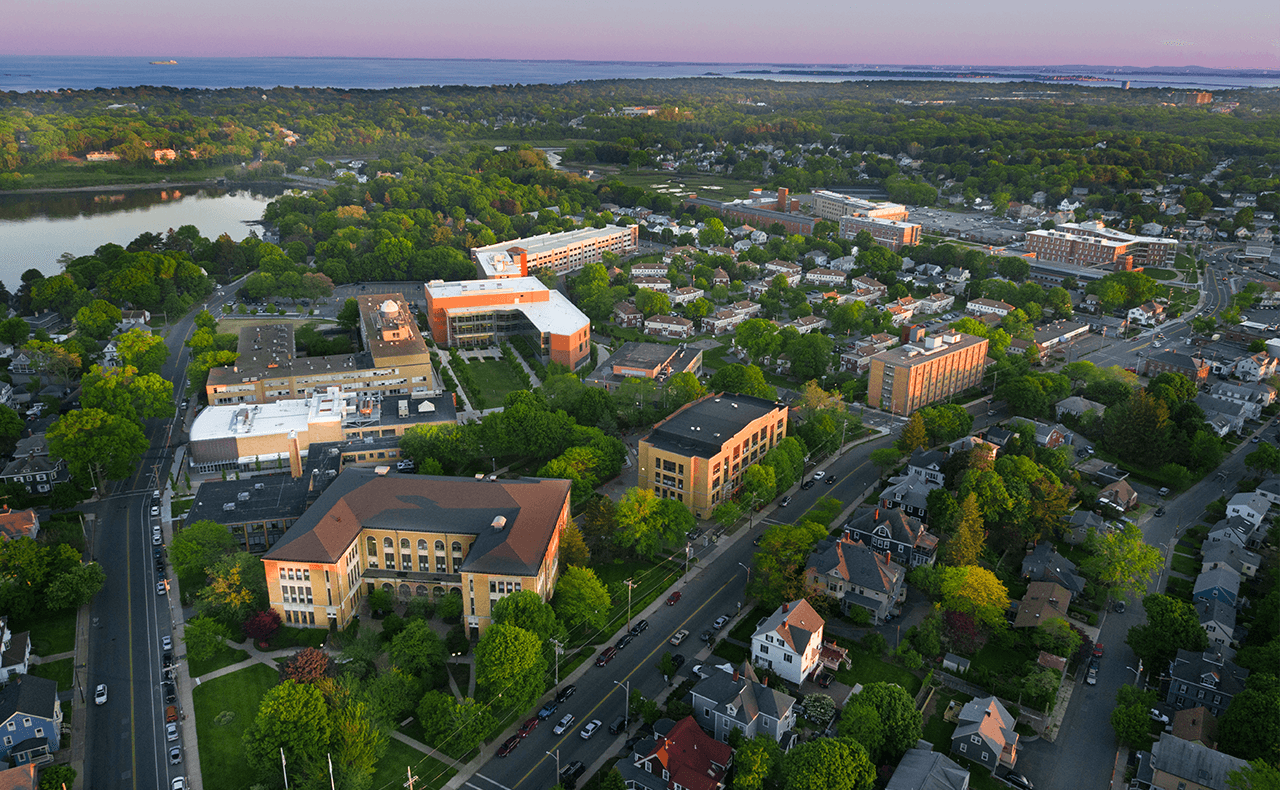
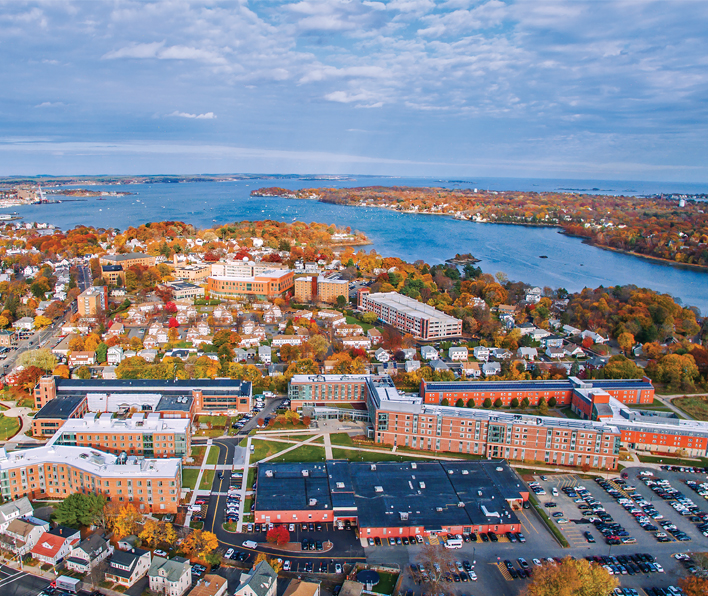
Salem State University is a public institution in Massachusetts with an open-door admissions policy (96% acceptance rate) and a pragmatic focus on workforce-ready degrees in business, health professions, and criminal justice. While its graduation rate lags behind national averages (54% six-year rate), its affordability and location in historic Salem make it a practical choice for first-generation and commuter students seeking value.
Admissions
Salem State operates with an open admissions policy, accepting nearly all applicants—its 95.6% Acceptance rateThe share of applicants a college admits in a given year. A 10% acceptance rate means it admits about 1 in 10 applicants. makes it one of the least selective public universities in Massachusetts. Test-optionalA policy where you choose whether to submit SAT or ACT scores. If you don't, the rest of your application carries more weight. since at least 2023, the school emphasizes GPA over standardized scores; middle 50% SAT scores for enrolled students range from 970 to 1170. Of the 7,953 applicants in a recent cycle, 7,625 were accepted, with 4,867 enrolling—a YieldThe share of admitted students who actually choose to enroll. Colleges watch it closely, which is why some weigh how interested you seem. rate of about 64%. The admissions office explicitly states it prioritizes academic coursework and GPA in decisions.
Sources
- [PDF] Common Data Set 2024-2025 - Salem State University
- Common Data Sets | Salem State Public Records
- [PDF] Salem State University 2023-2024 Common Data Set
- Common Data Set: Home
- Salem State Public Records - Salem State University Reports
- Common Data Set - Data, Analytics & Institutional Research
- Salem State University SAT Scores and GPA
- Salem State University - Tuition and Acceptance Rate - Peterson's
- Salem State University Admissions - BigFuture College Search
- Salem State University - BigFuture College Search
- Salem State University - Niche