Loading…
← All schools
Rivier University
Nashua, NHprivate nonprofitwww.rivier.edu/
- Acceptance rateThe share of applicants a college admits in a given year. A 10% acceptance rate means it admits about 1 in 10 applicants.
- 83%
- SAT 25th-75th percentileThe middle range of SAT scores for admitted students: a quarter scored below the low number and a quarter scored above the high number.
- 1055–1175
- Undergrad enrollment
- 1,231
- Net priceWhat a family actually pays after grants and scholarships are subtracted from the sticker price — usually far less than the published cost.
- $28,082
- In-state tuition
- $39,488
- Out-of-state tuition
- $39,488
- Location
- Nashua, NH
- Test-Optional
- Yes (including nursing)
- Avg. SAT Range
- 930–1130
- Acceptance Rate
- 83%
- Residence Halls
- 6
- Undergrad Programs
- 60+
- 6-Year Graduation Rate
- 64%
- Avg. Net Price After Aid
Quick answers
- What is the acceptance rate at Rivier University?
- Rivier University's acceptance rate is approximately 83% (Nashua, NH), based on the most recent figures we compiled from public and primary sources.
- What SAT score do you need for Rivier University?
- Admitted students at Rivier University typically score 1055–1175 on the SAT (the middle-50% range). Scores outside this band are still admitted, especially with strong applications.
- How much does Rivier University cost?
- At Rivier University, the average net price (after aid) is about $28,082 per year. Actual cost varies with financial aid and residency.
- How many undergraduates attend Rivier University?
- Rivier University enrolls approximately 1,231 undergraduate students.
- Where is Rivier University located?
- Rivier University is located in Nashua, NH.
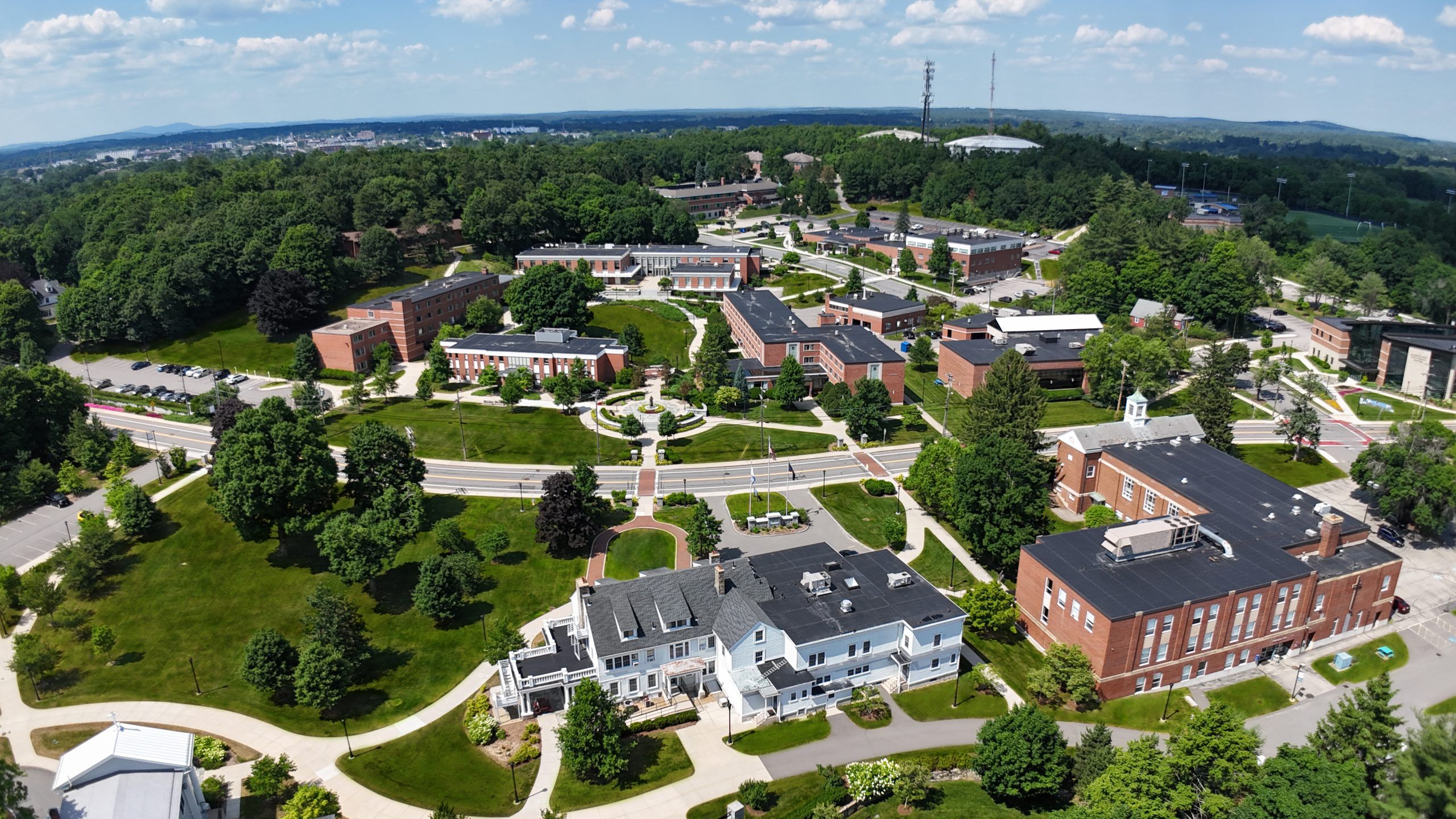
Rivier University is a small Catholic university in Nashua, NH, with an unusually pragmatic approach to higher education—its test-optional nursing program and accelerated three-year bachelor's degrees reflect a focus on career readiness. While its 83% acceptance rate and median post-grad earnings of $36,427 suggest it's not a prestige powerhouse, Rivier delivers a tight-knit, service-oriented campus culture with over 60 programs spanning associate to doctoral levels.
Admissions
Rivier's admissions process is moderately difficult, with an 83% acceptance rate (1,461 admitted out of 1,769 applicants in a recent cycle). The middle 50% of admitted students score between 930–1130 on the SAT, though the university has expanded its test-optional policy to include nursing applicants—a rarity for clinically oriented programs. About 71% of accepted students ultimately enroll, suggesting Rivier isn't most applicants' first choice but appeals to those seeking a small, faith-based environment with flexible admissions.
Sources
- Facts & Statistics | About Us - Rivier University
- Rivier University Overview - CollegeData
- Common Data Set: Home
- [PDF] Common Data Set 2024-2025 - Registrar's Office - Hollins University
- The Common Data Set: What It Is & How to Use It In College ...
- What is the Common Data Set? | College Raptor
- Rivier University Admissions - BigFuture College Search
- Rivier University SAT Scores and GPA
- Rivier University - Tuition and Acceptance Rate - Peterson's
- Rivier University Admissions - US News Best Colleges