Loading…
← All schools
Rhode Island College
Providence, RIpublicwww.ric.edu/
- Acceptance rateThe share of applicants a college admits in a given year. A 10% acceptance rate means it admits about 1 in 10 applicants.
- 92%
- SAT 25th-75th percentileThe middle range of SAT scores for admitted students: a quarter scored below the low number and a quarter scored above the high number.
- 870–1120
- Undergrad enrollment
- 5,049
- Net priceWhat a family actually pays after grants and scholarships are subtracted from the sticker price — usually far less than the published cost.
- $9,478
- In-state tuition
- $11,300
- Out-of-state tuition
- $27,299
- Student Clubs
- 65+
- Avg. Net Price
- $11,549
- Popular Majors
- Nursing, Education, Health Professions
- Acceptance Rate
- 92%
- Hope Scholarship
- Two years tuition-free for eligible RI students
- Six-Year Graduation Rate
- 45–47%
Quick answers
- What is the acceptance rate at Rhode Island College?
- Rhode Island College's acceptance rate is approximately 92% (Providence, RI), based on the most recent figures we compiled from public and primary sources.
- What SAT score do you need for Rhode Island College?
- Admitted students at Rhode Island College typically score 870–1120 on the SAT (the middle-50% range). Scores outside this band are still admitted, especially with strong applications.
- How much does Rhode Island College cost?
- At Rhode Island College, the average net price (after aid) is about $9,478 per year. Actual cost varies with financial aid and residency.
- How many undergraduates attend Rhode Island College?
- Rhode Island College enrolls approximately 5,049 undergraduate students.
- Where is Rhode Island College located?
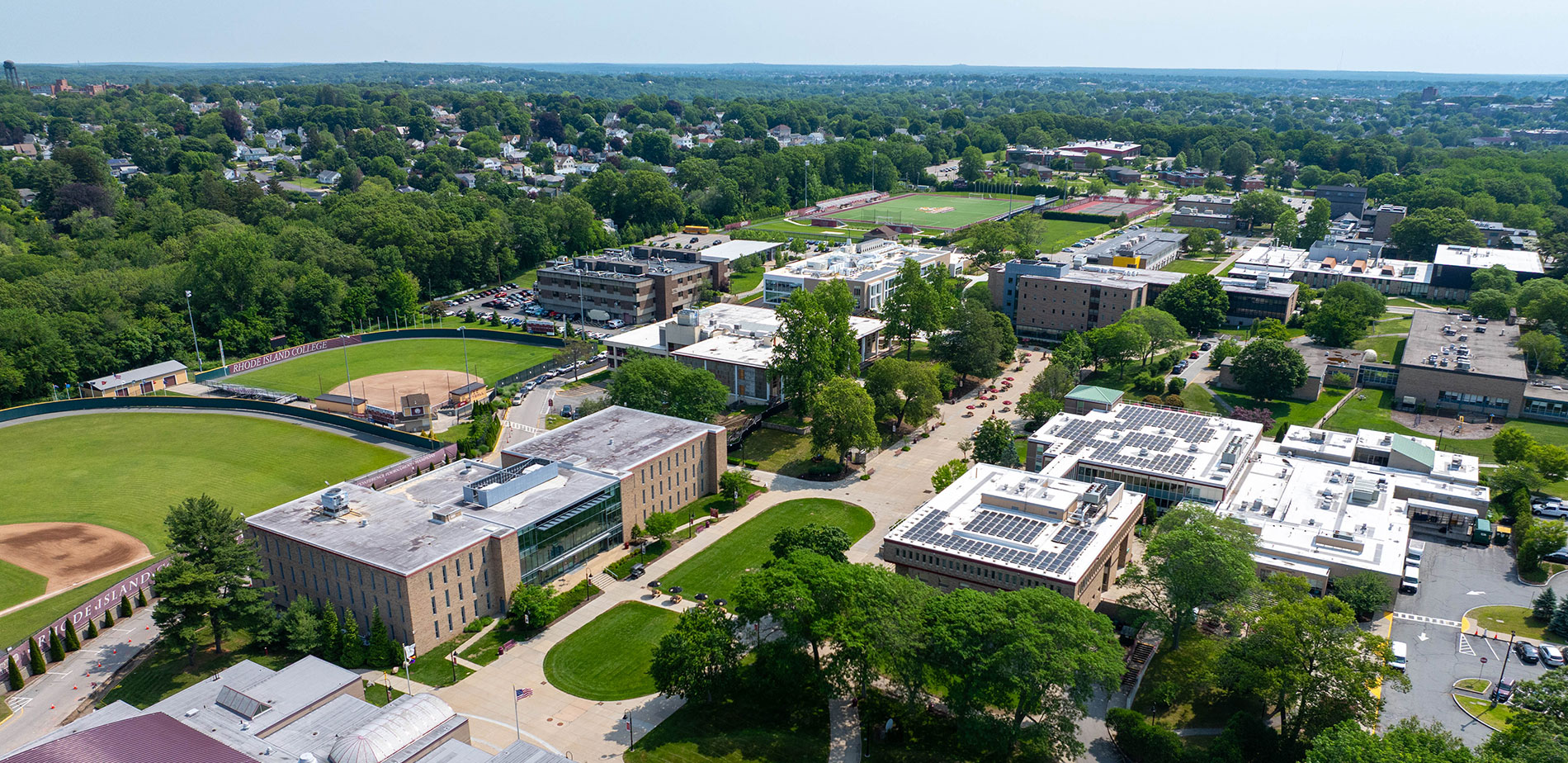
- Rhode Island College is located in Providence, RI.
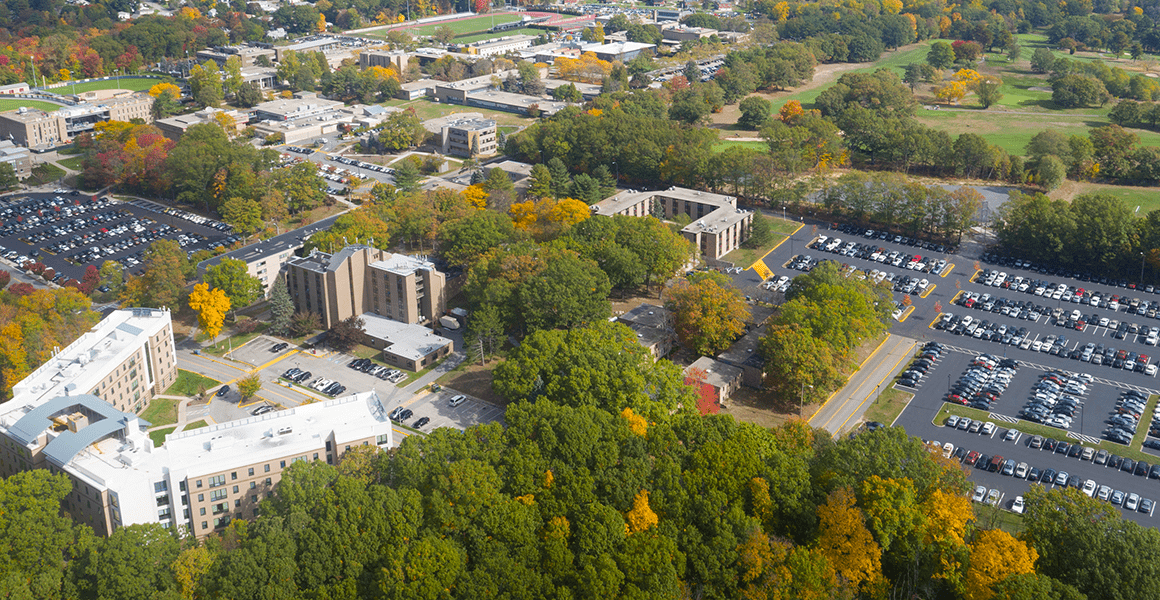
Rhode Island College is a public liberal arts college in Providence that serves as an accessible, career-focused alternative to pricier New England institutions. With a 92% acceptance rate and strong nursing and education programs, RIC attracts a diverse, largely commuter student body who benefit from its affordability (average net price: $11,549) and the state’s Hope Scholarship program. While graduation rates lag behind national averages, its hands-on programs and 65+ student clubs foster a scrappy, community-oriented vibe.
Admissions
With a 92% acceptance rate, Rhode Island College is one of the most accessible four-year colleges in New England, admitting nearly all applicants who meet basic requirements. The middle 50% SAT range for admitted students is 870–1,120, though RIC is Test-optionalA policy where you choose whether to submit SAT or ACT scores. If you don't, the rest of your application carries more weight. and does not require scores for admission. Notably, female applicants are slightly more likely to be accepted (93% vs. 90% for males). The college emphasizes accessibility over selectivity, with no early admission policy and a straightforward application process that aligns with its mission as a public institution.
Sources
- Public Institutional Data | Rhode Island College
- Common Data Set – Office of Institutional Research
- Common Data Set: Home
- [PDF] Common Data Set 2022-2023
- Institutional Effectiveness | RISD Strategic Planning
- Common Data Set Repository - College Transitions
- Rhode Island College SAT Scores and GPA
- Rhode Island College Admissions - U.S. News & World Report
- University of Rhode Island Admissions - BigFuture College Search
- Rhode Island College - Tuition and Acceptance Rate - Peterson's
- Rhode Island College Acceptance Rate - Admissions Chances & Data