Loading…
← All schools
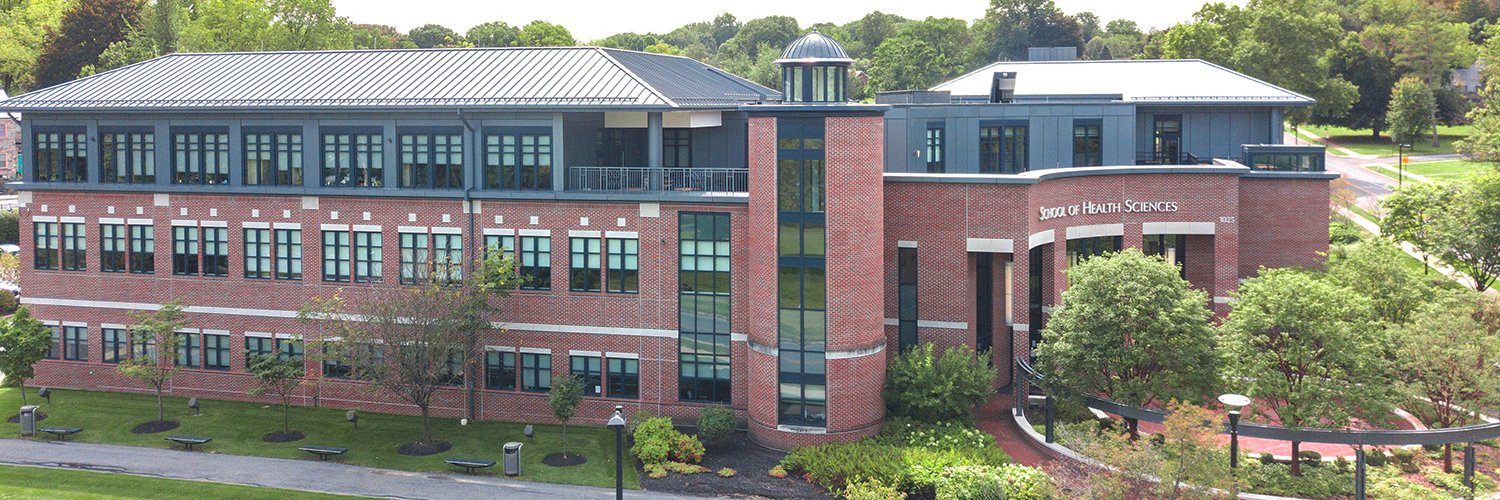
Reading Hospital School of Health Sciences
Reading, PAprivate nonprofitreading.towerhealth.org
- Acceptance rateThe share of applicants a college admits in a given year. A 10% acceptance rate means it admits about 1 in 10 applicants.
- 29%
- Undergrad enrollment
- 294
- Net priceWhat a family actually pays after grants and scholarships are subtracted from the sticker price — usually far less than the published cost.
- $28,415
- In-state tuition
- $12,225
- Out-of-state tuition
- $12,225
- Location
- Reading, PA (on hospital campus)
- Top Major
- Nursing (84% of graduates)
- Annual Tuition
- $12,225
- Acceptance Rate
- 29.2%
- Application Fee
- $30
- Recent Grads Hired by Tower Health
- 54%
Quick answers
- What is the acceptance rate at Reading Hospital School of Health Sciences?
- Reading Hospital School of Health Sciences's acceptance rate is approximately 29% (Reading, PA), based on the most recent figures we compiled from public and primary sources.
- How much does Reading Hospital School of Health Sciences cost?
- At Reading Hospital School of Health Sciences, the average net price (after aid) is about $28,415 per year. Actual cost varies with financial aid and residency.
- How many undergraduates attend Reading Hospital School of Health Sciences?
- Reading Hospital School of Health Sciences enrolls approximately 294 undergraduate students.
- Where is Reading Hospital School of Health Sciences located?
- Reading Hospital School of Health Sciences is located in Reading, PA.
Reading Hospital School of Health Sciences is a tightly focused, clinically immersive health sciences school embedded within a major Pennsylvania hospital system. With a 29% acceptance rate and nursing as its dominant program (84% of graduates), it offers direct pipelines into Tower Health jobs—nearly half of recent grads joined the health system. The vibe is pragmatic and hands-on, with tuition under $13K and scholarships targeting workforce needs.
Admissions
Getting into Reading Hospital School of Health Sciences is competitive but not cutthroat, with a 29.2% Acceptance rateThe share of applicants a college admits in a given year. A 10% acceptance rate means it admits about 1 in 10 applicants. (31 students admitted from 106 applications in 2024). The school receives about 110 applications annually. Admissions are selective, evaluating applicants on:
- Academic ability (though only 5% submit SAT scores)
- Interview performance
- Writing samples
- References
- Previous healthcare experience
A $30 non-refundable application fee is required, with deadlines varying by program. Nursing is the most popular major, drawing over half of all students.
Sources
- Admission | Reading Hospital School of Health Sciences
- Reading Hospital School of Health Sciences | College Scorecard
- The Reading Hospital School of Health Sciences - Niche
- Reading Hospital School of Health Sciences | Data USA
- Reading Hospital School of Health Sciences - Sallie
- [PDF] common-data-set-current-year.pdf - Saint Vincent College
- Reading Hospital School of Health Sciences Acceptance Rate
- Reading Hospital School of Health Sciences - Admissions - Cogn-IQ
- [PDF] APPLICATION - Reading Hospital