Loading…
← All schools
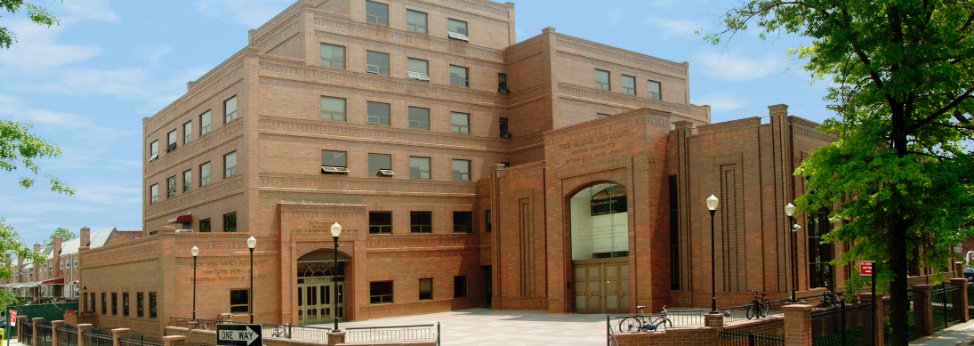
Rabbinical Seminary of America
Flushing, NYprivate nonprofitwww.rabbinical.org/
- Acceptance rateThe share of applicants a college admits in a given year. A 10% acceptance rate means it admits about 1 in 10 applicants.
- 98%
- Undergrad enrollment
- 397
- Net priceWhat a family actually pays after grants and scholarships are subtracted from the sticker price — usually far less than the published cost.
- $4,844
- In-state tuition
- $10,000
- Out-of-state tuition
- $10,000
- Location
- Flushing, NY (urban)
- Net Price
- $9,093
- Notable Quirk
- SAT/ACT neither required nor recommended
- Acceptance Rate
- 98%
- Graduation Rate
- 30% (6-year)
- Total Enrollment
- 601 (379 undergrads)
- Average Grant Aid
- $8,447
- Median Earnings (5 Years Post-Grad)
- $45,519
Quick answers
- What is the acceptance rate at Rabbinical Seminary of America?
- Rabbinical Seminary of America's acceptance rate is approximately 98% (Flushing, NY), based on the most recent figures we compiled from public and primary sources.
- How much does Rabbinical Seminary of America cost?
- At Rabbinical Seminary of America, the average net price (after aid) is about $4,844 per year. Actual cost varies with financial aid and residency.
- How many undergraduates attend Rabbinical Seminary of America?
- Rabbinical Seminary of America enrolls approximately 397 undergraduate students.
- Where is Rabbinical Seminary of America located?
- Rabbinical Seminary of America is located in Flushing, NY.
The Rabbinical Seminary of America in Flushing, NY, is a highly specialized institution dedicated to training Orthodox Jewish scholars. With a near-open admissions policy (98% acceptance rate) and a singular focus on theological studies, it offers an immersive, text-heavy curriculum rooted in Talmudic tradition. Small, devout, and urban, it serves students seeking rigorous religious training rather than a conventional liberal arts education.
Admissions
Getting into the Rabbinical Seminary of America is about as competitive as walking through an open door — the school boasts a 98% acceptance rate, admitting 127 of 129 applicants in recent cycles. SAT/ACT scores are neither required nor recommended, reflecting the institution's focus on religious preparedness over standardized metrics. While technically selective (the remaining 2% presumably lack basic yeshiva background), the admissions process is more about alignment with Orthodox Jewish practice than academic pedigree. Notably, the seminary shares none of the 45% Acceptance rateThe share of applicants a college admits in a given year. A 10% acceptance rate means it admits about 1 in 10 applicants. rigor of its namesake cousin, the Jewish Theological Seminary of America (a Conservative movement school).
Sources
- Common Data Set: Home
- [PDF] Common Data Set 2023-2024 - Chestertown - Washington College
- Demystifying the Common Data Set - Top Tier Admissions
- Common Data Set - Saint Mary's College of California
- The Common Data Set: What It Is & How to Use It In College ...
- [PDF] Common Data Set 2023 – 2024 - Institutional Research and Analytics
- Rabbinical College of America Requirements for Admission
- Rabbinical Seminary of America - Niche
- Rabbinical Seminary of America Acceptance Rate and SAT/ACT ...