Loading…
← All schools
Queens University of Charlotte
Charlotte, NCprivate nonprofitwww.queens.edu/
- Acceptance rateThe share of applicants a college admits in a given year. A 10% acceptance rate means it admits about 1 in 10 applicants.
- 62%
- SAT 25th-75th percentileThe middle range of SAT scores for admitted students: a quarter scored below the low number and a quarter scored above the high number.
- 1140–1340
- Undergrad enrollment
- 1,211
- Net priceWhat a family actually pays after grants and scholarships are subtracted from the sticker price — usually far less than the published cost.
- $30,857
- In-state tuition
- $45,846
- Out-of-state tuition
- $45,846
- Campus Housing
- 66% live on campus
- Acceptance Rate
- 56-62%
- Notable Programs
- Health Professions, Business, Creative Writing
- Student Population
- ~2,500 (undergrad + grad)
- Avg. ACT (middle 50%)
- 20-27
- Avg. SAT (middle 50%)
- 1160-1340
- 4-Year Graduation Rate
- 60%
Quick answers
- What is the acceptance rate at Queens University of Charlotte?
- Queens University of Charlotte's acceptance rate is approximately 62% (Charlotte, NC), based on the most recent figures we compiled from public and primary sources.
- What SAT score do you need for Queens University of Charlotte?
- Admitted students at Queens University of Charlotte typically score 1140–1340 on the SAT (the middle-50% range). Scores outside this band are still admitted, especially with strong applications.
- How much does Queens University of Charlotte cost?
- At Queens University of Charlotte, the average net price (after aid) is about $30,857 per year. Actual cost varies with financial aid and residency.
- How many undergraduates attend Queens University of Charlotte?
- Queens University of Charlotte enrolls approximately 1,211 undergraduate students.
- Where is Queens University of Charlotte located?
- Queens University of Charlotte is located in Charlotte, NC.
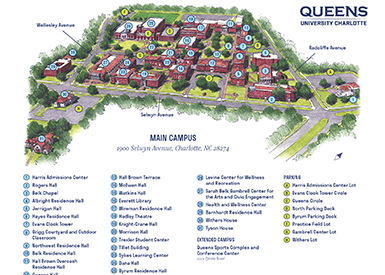
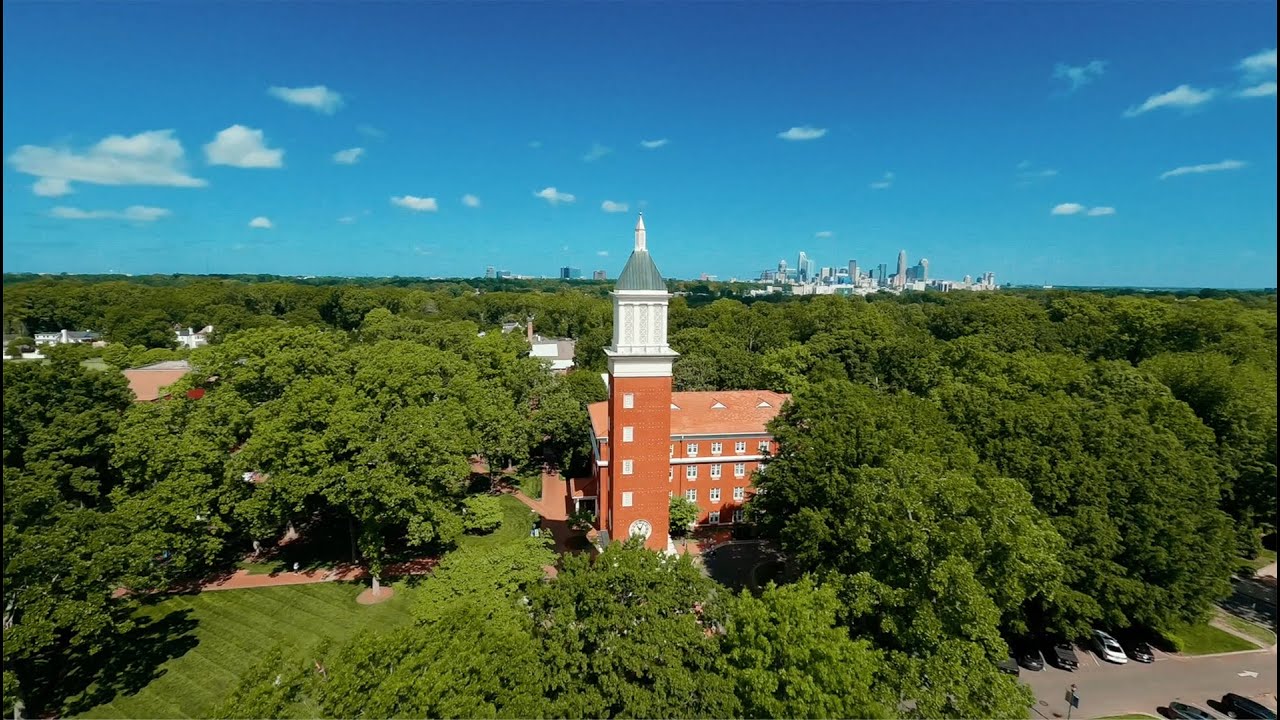
Queens University of Charlotte is a small, private liberal arts university with a surprisingly robust career focus—think of it as a Southern liberal arts college that’s quietly pragmatic. With a 56-62% acceptance rate, it’s accessible yet selective enough to maintain academic rigor, and its 60% four-year graduation rate suggests students get out on time. The campus, tucked into a leafy Charlotte neighborhood, balances tradition ('over 165 years of it') with a forward-leaning emphasis on health professions and business majors.
Admissions
Queens University of Charlotte is somewhat selective, with an Acceptance rateThe share of applicants a college admits in a given year. A 10% acceptance rate means it admits about 1 in 10 applicants. hovering between 56-62% (sources vary slightly). Of the 5,142 applicants in a recent cycle, 2,906 were admitted, and 1,225 enrolled. The middle 50% of admitted students scored between 1160-1340 on the SAT or 20-27 on the ACT, though only 13% of accepted students submitted SAT scores. The university emphasizes flexibility, accepting alternatives like the TEAS exam (minimum score of 65) for nursing applicants. The regular decision deadline is March 13, but rolling admissions continue afterward. Notably, 48% of freshmen receive merit aid, averaging $35,837—a significant draw for a private institution.
Sources
- Visualizing Queens Data - Queens University of Charlotte
- [PDF] Common Data Set 2024-2025 - Institutional Effectiveness & Analytics
- Queens University of Charlotte Overview - CollegeData
- [PDF] Fall-2024-CDS.pdf - Queens University of Charlotte
- Common Data Set: Home
- Queens University of Charlotte - DFR Report HTML
- Queens University of Charlotte Admissions - BigFuture College Search
- Queens University of Charlotte SAT Scores and GPA
- Undergraduate Admission Process - Queens University of Charlotte
- Queens University of Charlotte - Tuition and Acceptance Rate