Loading…
← All schools
Prescott College
Prescott, AZprivate nonprofitprescott.edu
- Acceptance rateThe share of applicants a college admits in a given year. A 10% acceptance rate means it admits about 1 in 10 applicants.
- 95%
- Undergrad enrollment
- 219
- Net priceWhat a family actually pays after grants and scholarships are subtracted from the sticker price — usually far less than the published cost.
- $22,583
- In-state tuition
- $35,685
- Out-of-state tuition
- $35,685
- Location
- Prescott, AZ
- Campus Vibe
- Outdoor-focused, activist, communal
- Tuition Model
- Fixed-rate
- Acceptance Rate
- 95-98.6%
- Notable Programs
- Adventure Education, Sustainability, Social Justice
- Undergrad Enrollment
- 257 (2023)
- Student-Faculty Ratio
- 9:1
- 4-Year Graduation Rate
- 74%
- ACT Range (Middle 50%)
- 19-27
- SAT Range (Middle 50%)
- 980-1,260
Quick answers
- What is the acceptance rate at Prescott College?
- Prescott College's acceptance rate is approximately 95% (Prescott, AZ), based on the most recent figures we compiled from public and primary sources.
- How much does Prescott College cost?
- At Prescott College, the average net price (after aid) is about $22,583 per year. Actual cost varies with financial aid and residency.
- How many undergraduates attend Prescott College?
- Prescott College enrolls approximately 219 undergraduate students.
- Where is Prescott College located?
- Prescott College is located in Prescott, AZ.
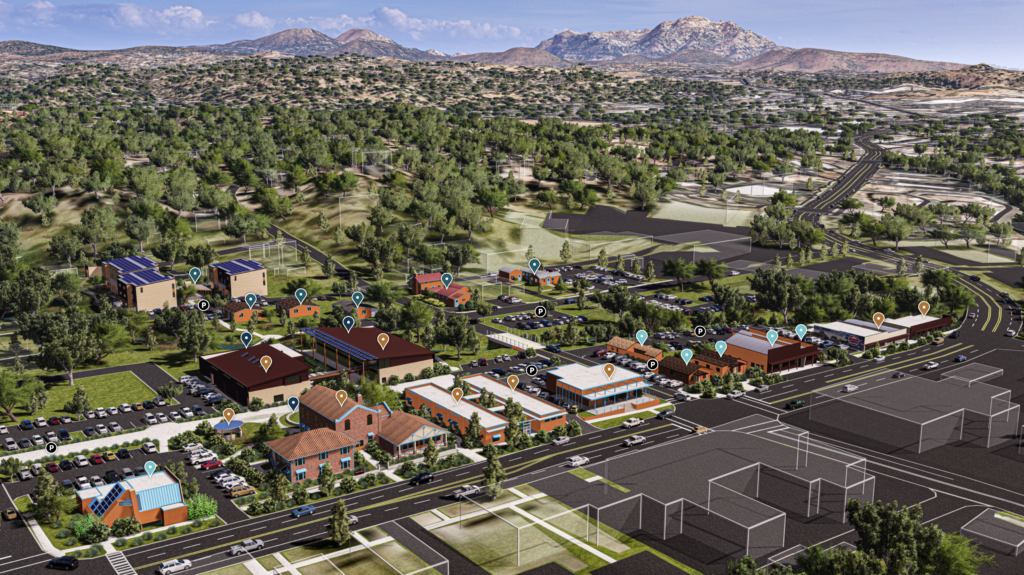
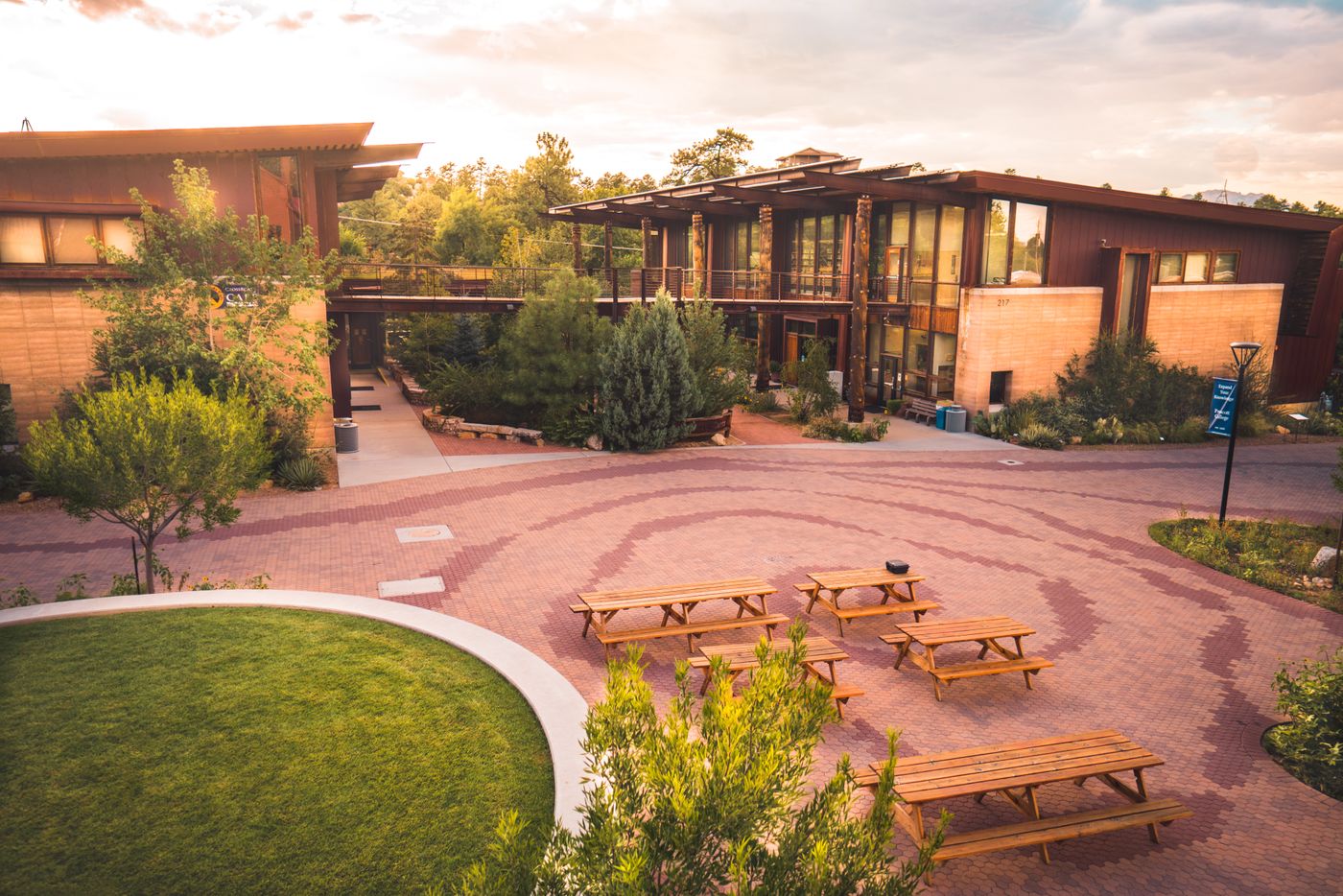
Prescott College is a small, progressive liberal arts school in Arizona that defies convention—with more vans than classrooms and a curriculum built around social justice, sustainability, and outdoor education. Its 9:1 student-faculty ratio fosters intense mentorship, while its 98.6% acceptance rate belies a fiercely independent student body drawn to its experiential learning model. Think of it as the academic equivalent of a backcountry expedition: rugged, self-directed, and transformative for those who thrive outside traditional structures.
Admissions
Prescott College is among the least selective institutions in the U.S., with Acceptance rateThe share of applicants a college admits in a given year. A 10% acceptance rate means it admits about 1 in 10 applicants. ranging from 95% to 98.6% across sources—though College Board's BigFuture paradoxically reports a 23.3% rate, likely an error. Admitted students typically have SAT scores between 980 and 1,260 (19-27 ACT), with GPAs spanning 2.0 to 3.75+. The college emphasizes Holistic admissionsA review that weighs the whole applicant — grades, essays, activities, and context — rather than relying on test scores and GPA alone. over test scores, aligning with its progressive ethos. Retention rates hover around 53%, suggesting the self-directed learning model isn't for everyone.
Sources
- Outcomes & Statistics - Prescott College
- Prescott College - Institution Data Profile
- Common Data Set: Home
- Common Data Set - University Analytics and Institutional Research
- Common Data Set - Embry-Riddle Aeronautical University
- Common Data Set Repository - College Transitions
- Prescott College SAT Scores and GPA - PrepScholar
- Prescott College Admissions - U.S. News & World Report
- Prescott College Tuition, Acceptance Rate, & Academics - Sallie
- Prescott College - Tuition and Acceptance Rate - Peterson's
- Prescott College Acceptance Rate - Admissions Chances & Data