Loading…
← All schools
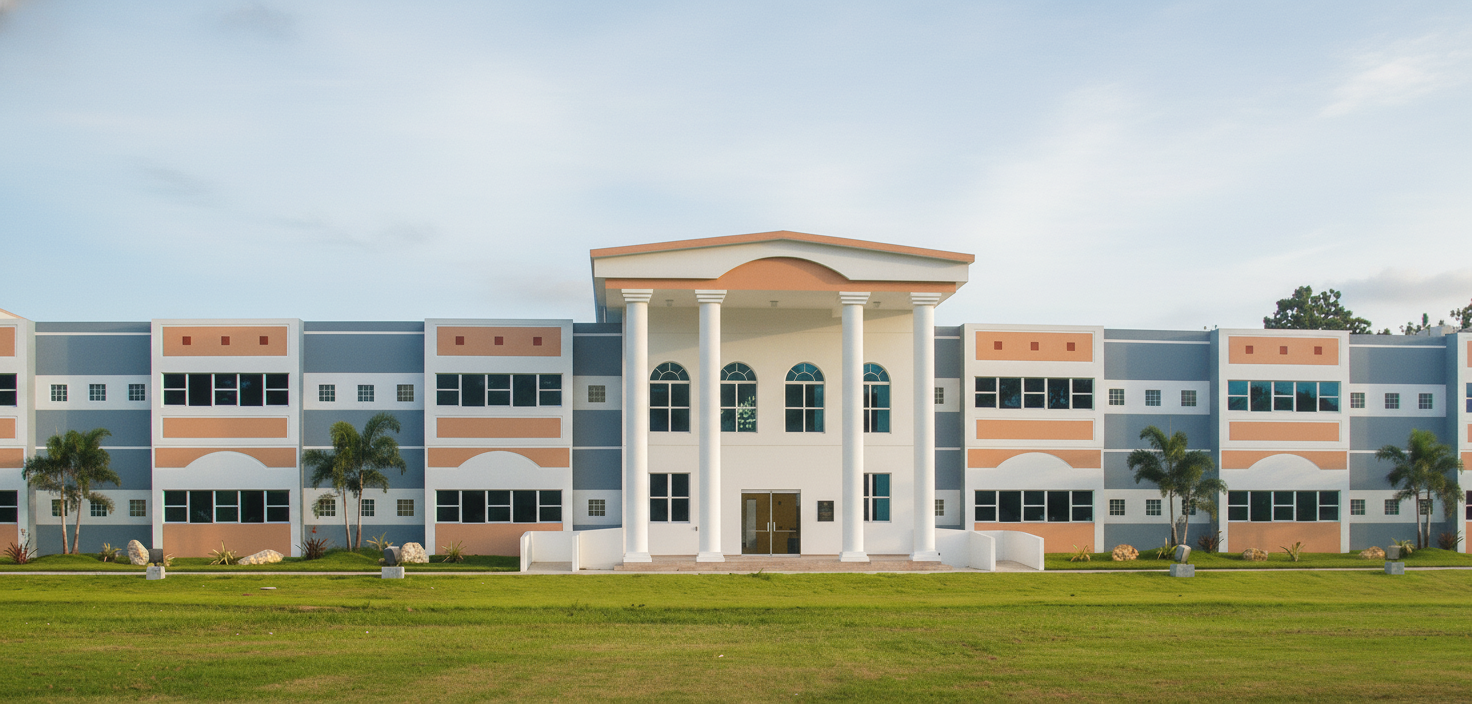
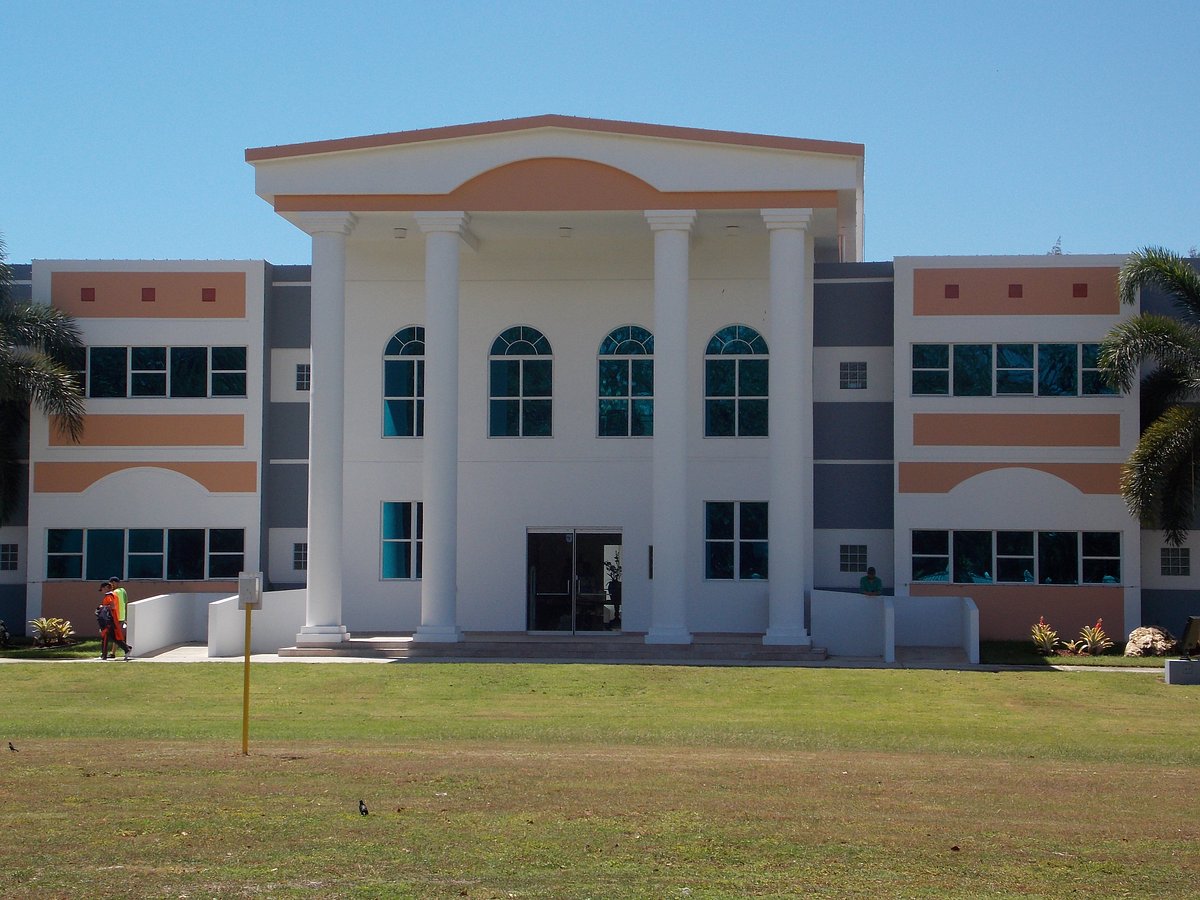
Pontifical Catholic University of Puerto Rico-Ponce
Ponce, PRprivate nonprofitpucpr.edu
- Acceptance rateThe share of applicants a college admits in a given year. A 10% acceptance rate means it admits about 1 in 10 applicants.
- 98%
- SAT 25th-75th percentileThe middle range of SAT scores for admitted students: a quarter scored below the low number and a quarter scored above the high number.
- 1195–1360
- Undergrad enrollment
- 3,874
- Net priceWhat a family actually pays after grants and scholarships are subtracted from the sticker price — usually far less than the published cost.
- $13,192
- In-state tuition
- $6,650
- Out-of-state tuition
- $6,650
- Tuition
- $6,650
- Avg. GPA
- 3.48
- Avg. SAT
- 1123-1336
- Top Majors
- Biomedical Sciences, Nursing
- Campus Setting
- Urban (Ponce)
- Acceptance Rate
- 98%
- Student-Faculty Ratio
- 21:1
- Graduation Rate (6-yr)
Quick answers
- What is the acceptance rate at Pontifical Catholic University of Puerto Rico-Ponce?
- Pontifical Catholic University of Puerto Rico-Ponce's acceptance rate is approximately 98% (Ponce, PR), based on the most recent figures we compiled from public and primary sources.
- What SAT score do you need for Pontifical Catholic University of Puerto Rico-Ponce?
- Admitted students at Pontifical Catholic University of Puerto Rico-Ponce typically score 1195–1360 on the SAT (the middle-50% range). Scores outside this band are still admitted, especially with strong applications.
- How much does Pontifical Catholic University of Puerto Rico-Ponce cost?
- At Pontifical Catholic University of Puerto Rico-Ponce, the average net price (after aid) is about $13,192 per year. Actual cost varies with financial aid and residency.
- How many undergraduates attend Pontifical Catholic University of Puerto Rico-Ponce?
- Pontifical Catholic University of Puerto Rico-Ponce enrolls approximately 3,874 undergraduate students.
- Where is Pontifical Catholic University of Puerto Rico-Ponce located?
- Pontifical Catholic University of Puerto Rico-Ponce is located in Ponce, PR.
The Pontifical Catholic University of Puerto Rico-Ponce is a private Catholic institution with a near-open admissions policy (98% acceptance rate) and a strong regional focus on healthcare and liberal arts. Its urban Ponce campus offers affordable tuition ($6,650) but struggles with low graduation rates (18-46%), while fostering a tight-knit, academically focused community with standout programs in biomedical sciences and nursing.
Admissions
With a 98% acceptance rate (2,763 admitted from 2,817 applicants in 2024), PCUPR-Ponce is among the most accessible four-year universities in Puerto Rico—far above the island’s average 57% Acceptance rateThe share of applicants a college admits in a given year. A 10% acceptance rate means it admits about 1 in 10 applicants.. The admissions process is minimally selective: applicants need only a 3.48 average GPA and SAT scores between 1123-1336, with no strict cutoff. The $15 application fee and March 15 deadline suggest a straightforward, low-barrier process, though early admission is available. Notably, the university’s YieldThe share of admitted students who actually choose to enroll. Colleges watch it closely, which is why some weigh how interested you seem. (enrollment rate) is unlisted, hinting that many admitted students may opt for other institutions.
Sources
- Pontifical Catholic University of Puerto Rico-Ponce - DFR Report PDF
- Pontifical Catholic University of Puerto Rico-Ponce - Overgrad
- Pontifical Catholic University of Puerto Rico-Ponce Acceptance Rate
- Pontifical Catholic University of Puerto Rico-Ponce - Data USA
- Pontifical Catholic University of Puerto Rico: Tabular Data
- Pontifical Catholic University of Puerto Rico--Ponce - USNews.com
- Pontifical Catholic University of Puerto Rico--Ponce Admissions
- Pontifical Catholic University of Puerto Rico Admissions - BigFuture