Loading…
← All schools
Pennsylvania State University-Penn State Fayette- Eberly
Lemont Furnace, PApublicfayette.psu.edu
- Acceptance rateThe share of applicants a college admits in a given year. A 10% acceptance rate means it admits about 1 in 10 applicants.
- 95%
- SAT 25th-75th percentileThe middle range of SAT scores for admitted students: a quarter scored below the low number and a quarter scored above the high number.
- 1120–1250
- Undergrad enrollment
- 402
- Net priceWhat a family actually pays after grants and scholarships are subtracted from the sticker price — usually far less than the published cost.
- $14,596
- In-state tuition
- $14,408
- Out-of-state tuition
- $24,134
- Avg SAT Range
- 1080–1265
- Acceptance Rate
- 91.7%
- Graduation Rate
- 34%
- US News Ranking
- #30 Regional Colleges North
- In-State Tuition
- $14,408
- Most Popular Major
- Nursing
- Out-of-State Tuition
- $24,134
- Undergrad Enrollment
Quick answers
- What is the acceptance rate at Pennsylvania State University-Penn State Fayette- Eberly?
- Pennsylvania State University-Penn State Fayette- Eberly's acceptance rate is approximately 95% (Lemont Furnace, PA), based on the most recent figures we compiled from public and primary sources.
- What SAT score do you need for Pennsylvania State University-Penn State Fayette- Eberly?
- Admitted students at Pennsylvania State University-Penn State Fayette- Eberly typically score 1120–1250 on the SAT (the middle-50% range). Scores outside this band are still admitted, especially with strong applications.
- How much does Pennsylvania State University-Penn State Fayette- Eberly cost?
- At Pennsylvania State University-Penn State Fayette- Eberly, the average net price (after aid) is about $14,596 per year. Actual cost varies with financial aid and residency.
- How many undergraduates attend Pennsylvania State University-Penn State Fayette- Eberly?
- Pennsylvania State University-Penn State Fayette- Eberly enrolls approximately 402 undergraduate students.
- Where is Pennsylvania State University-Penn State Fayette- Eberly located?
- Pennsylvania State University-Penn State Fayette- Eberly is located in Lemont Furnace, PA.
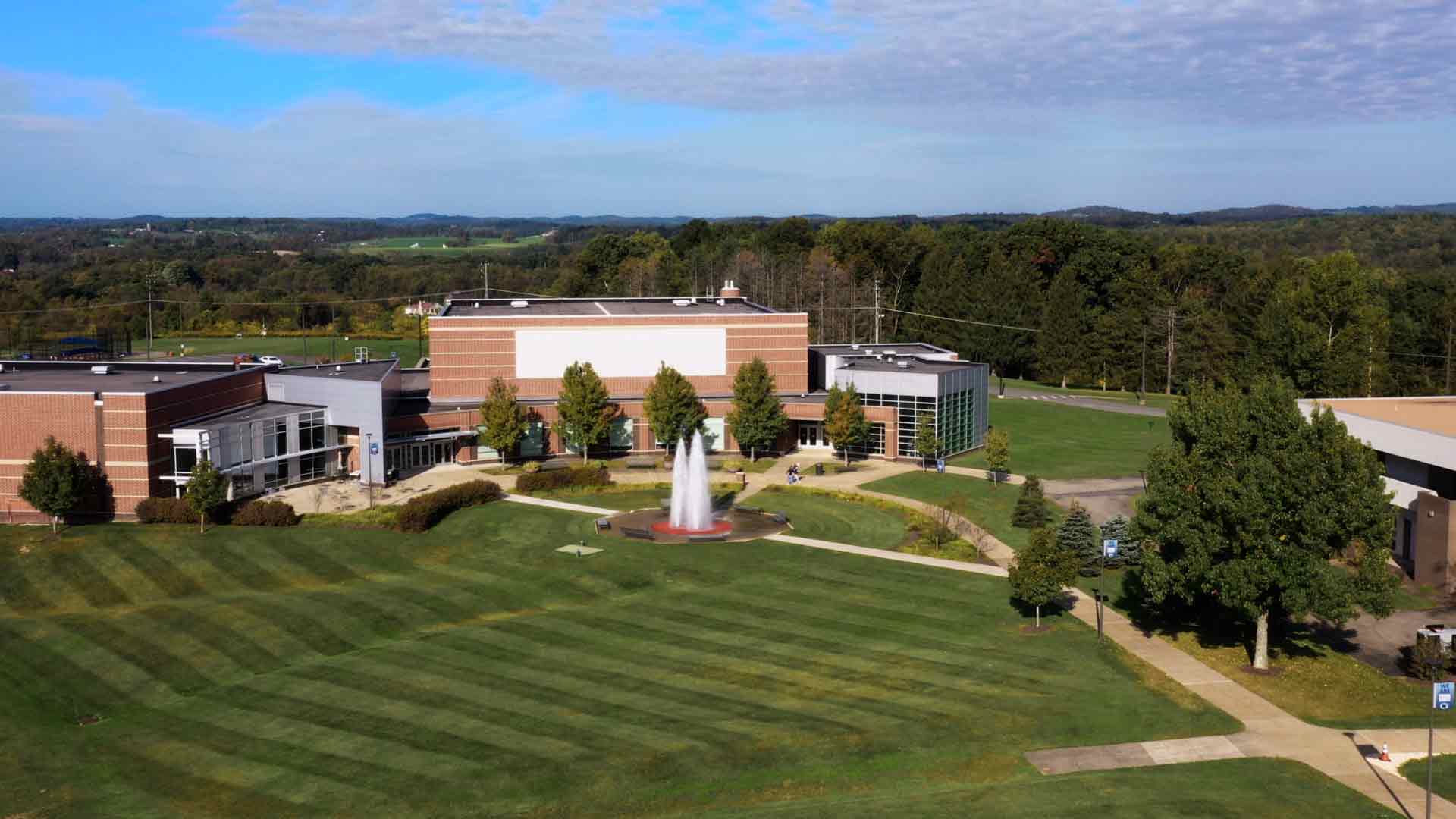
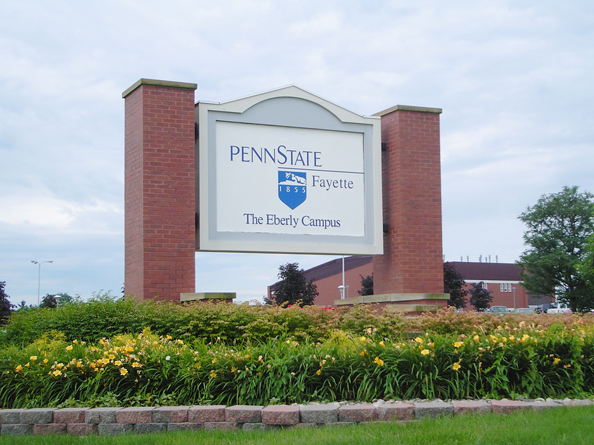
Penn State Fayette, The Eberly Campus offers a small-campus experience with the backing of a Big Ten university, blending accessibility (a 91.7% acceptance rate) with strong nursing and engineering programs. Its rural Lemont Furnace setting fosters tight-knit student life, though graduation rates lag behind national averages. For Pennsylvania residents seeking affordability and the Penn State brand, it’s a pragmatic launchpad—especially for those eyeing the 2+2 transfer path to University Park.
Admissions
Penn State Fayette is one of the most accessible gateways into the Penn State system, with an Acceptance rateThe share of applicants a college admits in a given year. A 10% acceptance rate means it admits about 1 in 10 applicants. hovering around 91.7% (sources vary slightly between 91.65% and 95.5%). In 2024, it received 728 undergraduate applications, a marginal 0.41% annual increase. Admitted students typically post SAT scores between 1080–1265, though the campus is Test-optionalA policy where you choose whether to submit SAT or ACT scores. If you don't, the rest of your application carries more weight.. The admissions process emphasizes the 2+2 Plan, which allows students to start at Fayette before transitioning to University Park or another Penn State campus. Dual enrollment for high school students is also promoted.
Sources
- Pennsylvania State University-Penn State Fayette- Eberly - IPEDS
- Penn State Fayette | Fayette County PA
- Penn State Fayette, The Eberly Campus Admissions - BigFuture
- Pennsylvania State University-Penn State Fayette- Eberly - Data USA
- What is Penn State Fayette campus like for computer science ...
- Pennsylvania State University-Penn State Brandywine: Enrollment ...
- Penn State Fayette, The Eberly Campus SAT Scores and GPA
- Penn State Fayette, The Eberly Campus - The Princeton Review
- Pennsylvania State University-Penn State Fayette - College Raptor