Loading…
← All schools
Pennsylvania State University-Penn State Brandywine
Media, PApublicbrandywine.psu.edu
- Acceptance rateThe share of applicants a college admits in a given year. A 10% acceptance rate means it admits about 1 in 10 applicants.
- 98%
- SAT 25th-75th percentileThe middle range of SAT scores for admitted students: a quarter scored below the low number and a quarter scored above the high number.
- 1080–1310
- Undergrad enrollment
- 1,223
- Net priceWhat a family actually pays after grants and scholarships are subtracted from the sticker price — usually far less than the published cost.
- $22,585
- In-state tuition
- $15,208
- Out-of-state tuition
- $25,392
- Campus Size
- 112 acres
- Avg. Net Price
- $21,739/year
- Popular Majors
- Business, Psychology, Biology
- Acceptance Rate
- 98.1%
- Distance from Philadelphia
- 20 miles
- Median Earnings (1 Yr After)
- $36,427
Quick answers
- What is the acceptance rate at Pennsylvania State University-Penn State Brandywine?
- Pennsylvania State University-Penn State Brandywine's acceptance rate is approximately 98% (Media, PA), based on the most recent figures we compiled from public and primary sources.
- What SAT score do you need for Pennsylvania State University-Penn State Brandywine?
- Admitted students at Pennsylvania State University-Penn State Brandywine typically score 1080–1310 on the SAT (the middle-50% range). Scores outside this band are still admitted, especially with strong applications.
- How much does Pennsylvania State University-Penn State Brandywine cost?
- At Pennsylvania State University-Penn State Brandywine, the average net price (after aid) is about $22,585 per year. Actual cost varies with financial aid and residency.
- How many undergraduates attend Pennsylvania State University-Penn State Brandywine?
- Pennsylvania State University-Penn State Brandywine enrolls approximately 1,223 undergraduate students.
- Where is Pennsylvania State University-Penn State Brandywine located?
- Pennsylvania State University-Penn State Brandywine is located in Media, PA.
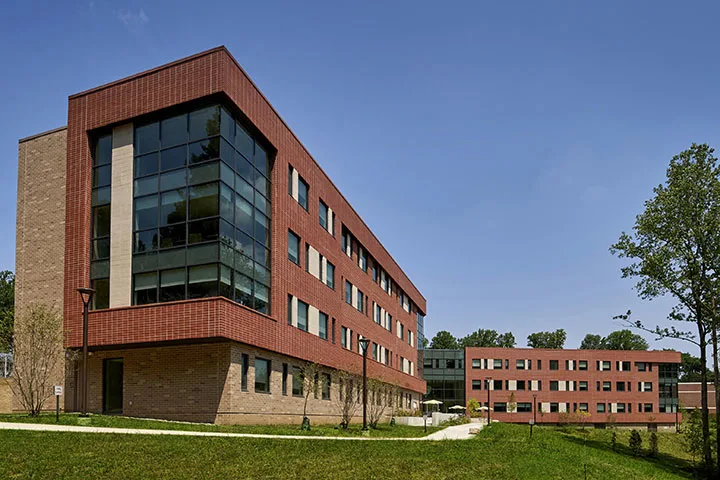
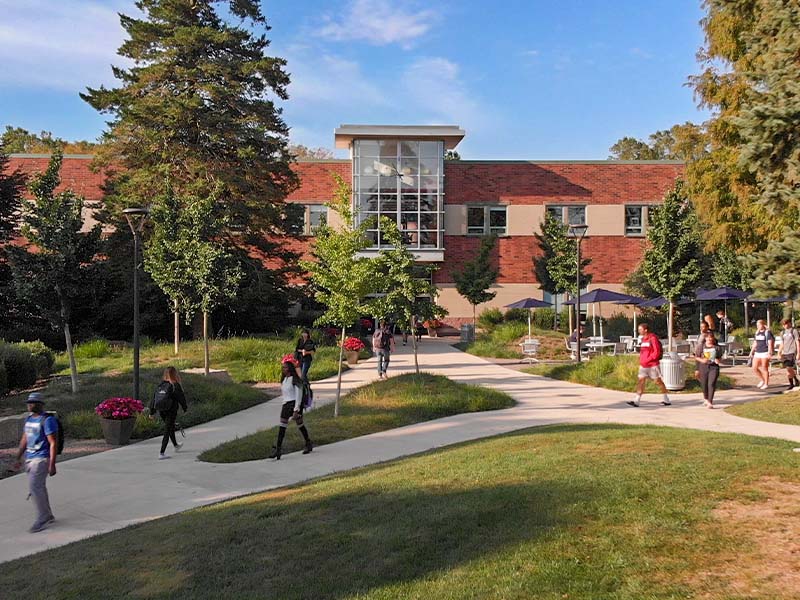
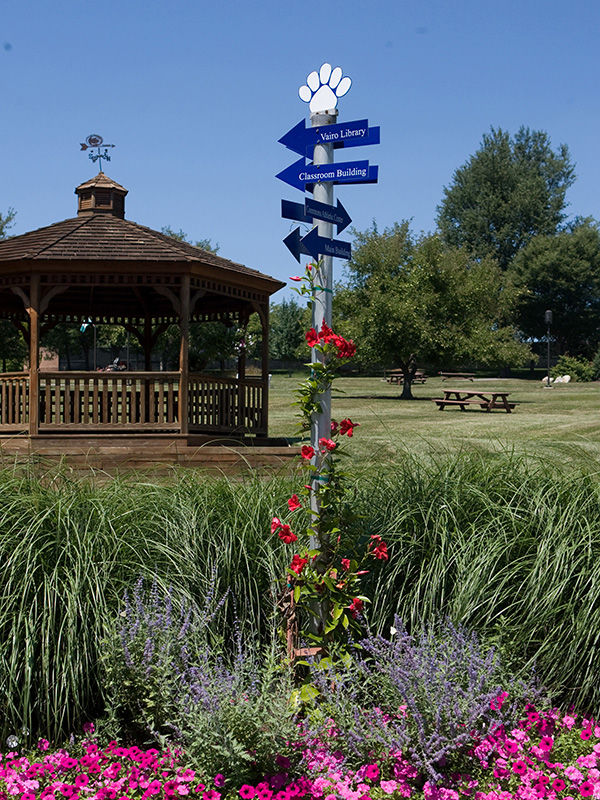
Penn State Brandywine is the suburban satellite campus that delivers the Penn State brand at a fraction of the intensity—and price. With a 98% acceptance rate, it’s the backdoor into the Nittany Lion network, offering small classes, a diverse student body, and a quiet 112-acre campus just 20 miles from Philadelphia. Don’t expect Big Ten football frenzy here; this is where you go to earn a practical degree (business and psychology dominate) without the overwhelming scale of University Park.
Admissions
Penn State Brandywine is about as close to open admissions as the Penn State system gets, with a 98.1% acceptance rate—making it one of the least selective branches in the university’s network. The middle 50% SAT range for admitted students is 1070–1285, and ACT scores hover between 23–31. High school GPAs are rarely a barrier, with the campus positioning itself as an accessible entry point to the Penn State system, especially for local students who may not meet the more competitive thresholds at University Park. Notably, 83% of applicants were admitted as recently as 2016, suggesting selectivity has loosened further in recent years.
Academics
Sources
- Common Data Set | Office of Planning, Assessment, and ... - opair
- Pennsylvania State University 2026 Common Data Set - GradGPT
- Pennsylvania State University-Penn State Brandywine - IPEDS
- Common Data Set | Office of Planning, Assessment, and ... - opair
- Common Data Set (CDS) Penn - Institutional Research & Analysis
- How to Use the Penn State Common Data Set - Admit Report
- Penn State Brandywine SAT Scores and GPA
- Penn State Brandywine - Niche
- Eligibility and Class Profile for First-Year Students - Penn State
- Penn State Brandywine Admissions: SAT Scores & More - ThoughtCo
- Admissions Requirements - Penn State Brandywine