Loading…
← All schools
Pennsylvania State University-Penn State Berks
Reading, PApublicberks.psu.edu
- Acceptance rateThe share of applicants a college admits in a given year. A 10% acceptance rate means it admits about 1 in 10 applicants.
- 99%
- SAT 25th-75th percentileThe middle range of SAT scores for admitted students: a quarter scored below the low number and a quarter scored above the high number.
- 1090–1275
- Undergrad enrollment
- 1,872
- Net priceWhat a family actually pays after grants and scholarships are subtracted from the sticker price — usually far less than the published cost.
- $24,356
- In-state tuition
- $15,972
- Out-of-state tuition
- $26,958
- Campus Size
- 258 acres
- Test Policy
- Test-optional (25% submit SAT)
- Acceptance Rate
- 99%
- Degrees Offered
- 20 bachelor's, 4 associate
- Average Net Price
- $22,450
- Mid-Career Salary
- $72,964
- 4-Year Graduation Rate
- 36%
Quick answers
- What is the acceptance rate at Pennsylvania State University-Penn State Berks?
- Pennsylvania State University-Penn State Berks's acceptance rate is approximately 99% (Reading, PA), based on the most recent figures we compiled from public and primary sources.
- What SAT score do you need for Pennsylvania State University-Penn State Berks?
- Admitted students at Pennsylvania State University-Penn State Berks typically score 1090–1275 on the SAT (the middle-50% range). Scores outside this band are still admitted, especially with strong applications.
- How much does Pennsylvania State University-Penn State Berks cost?
- At Pennsylvania State University-Penn State Berks, the average net price (after aid) is about $24,356 per year. Actual cost varies with financial aid and residency.
- How many undergraduates attend Pennsylvania State University-Penn State Berks?
- Pennsylvania State University-Penn State Berks enrolls approximately 1,872 undergraduate students.
- Where is Pennsylvania State University-Penn State Berks located?
- Pennsylvania State University-Penn State Berks is located in Reading, PA.
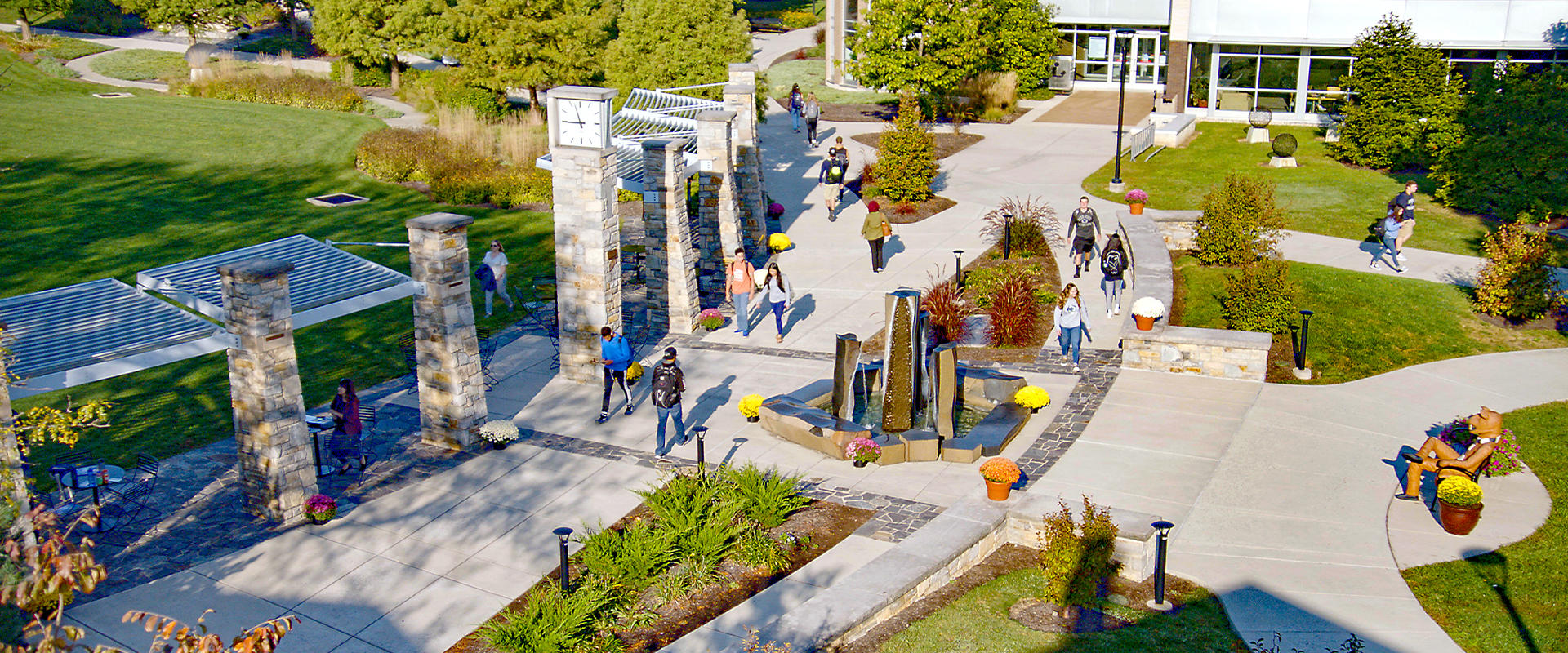
Penn State Berks is the quiet achiever of the Penn State system—a small, suburban campus where nearly everyone gets in (99% acceptance rate) but graduates leave with solid earning potential (mid-career salaries around $73K). With 20+ bachelor's degrees and a 258-acre campus that feels more like a tight-knit liberal arts college than a Big Ten satellite, it's where students who want the Penn State brand without the football frenzy thrive.
Admissions
Penn State Berks is one of the most accessible entry points into the Penn State system, with a 99% acceptance rate—far higher than University Park's 55%. The admissions process heavily weights 9th-11th grade GPA (accounting for two-thirds of the decision), while SAT/ACT scores are considered but not required. For those who submit scores, the middle 50% SAT range is 1250, and ACT ranges 26-29. Notably, only about 25% of admitted students submit SAT scores at all, suggesting a Test-optionalA policy where you choose whether to submit SAT or ACT scores. If you don't, the rest of your application carries more weight. culture.
Sources
- Common Data Set | Office of Planning, Assessment, and ... - opair
- Pennsylvania State University 2026 Common Data Set - GradGPT
- How to Use the Penn State Common Data Set - Admit Report
- Common Data Set: Home
- Common Data Set | Office of Planning, Assessment, and ... - opair
- [PDF] Common Data Set 2022-2023 - CDN
- Eligibility and Class Profile for First-Year Students - Penn State
- Penn State Berks SAT Scores and GPA
- Penn State Berks Admissions - BigFuture College Search
- Penn State Berks - Niche
- Penn State Berks Admissions: SAT Scores, Costs & More - ThoughtCo