Loading…
← All schools
Pennsylvania State University-Penn State Beaver
Monaca, PApublicbeaver.psu.edu
- Acceptance rateThe share of applicants a college admits in a given year. A 10% acceptance rate means it admits about 1 in 10 applicants.
- 96%
- SAT 25th-75th percentileThe middle range of SAT scores for admitted students: a quarter scored below the low number and a quarter scored above the high number.
- 1080–1290
- Undergrad enrollment
- 482
- Net priceWhat a family actually pays after grants and scholarships are subtracted from the sticker price — usually far less than the published cost.
- $17,418
- In-state tuition
- $14,408
- Out-of-state tuition
- $24,134
- Average SAT
- 1080-1250 (middle 50%)
- Campus Size
- 105 acres
- Acceptance Rate
- 92-96%
- Graduation Rate
- 18%
- On-Campus Majors
- 10
- Transferrable Majors
- 275+
- Distance to Pittsburgh
- 40 minutes
- Student-to-Faculty Ratio
Quick answers
- What is the acceptance rate at Pennsylvania State University-Penn State Beaver?
- Pennsylvania State University-Penn State Beaver's acceptance rate is approximately 96% (Monaca, PA), based on the most recent figures we compiled from public and primary sources.
- What SAT score do you need for Pennsylvania State University-Penn State Beaver?
- Admitted students at Pennsylvania State University-Penn State Beaver typically score 1080–1290 on the SAT (the middle-50% range). Scores outside this band are still admitted, especially with strong applications.
- How much does Pennsylvania State University-Penn State Beaver cost?
- At Pennsylvania State University-Penn State Beaver, the average net price (after aid) is about $17,418 per year. Actual cost varies with financial aid and residency.
- How many undergraduates attend Pennsylvania State University-Penn State Beaver?
- Pennsylvania State University-Penn State Beaver enrolls approximately 482 undergraduate students.
- Where is Pennsylvania State University-Penn State Beaver located?
- Pennsylvania State University-Penn State Beaver is located in Monaca, PA.
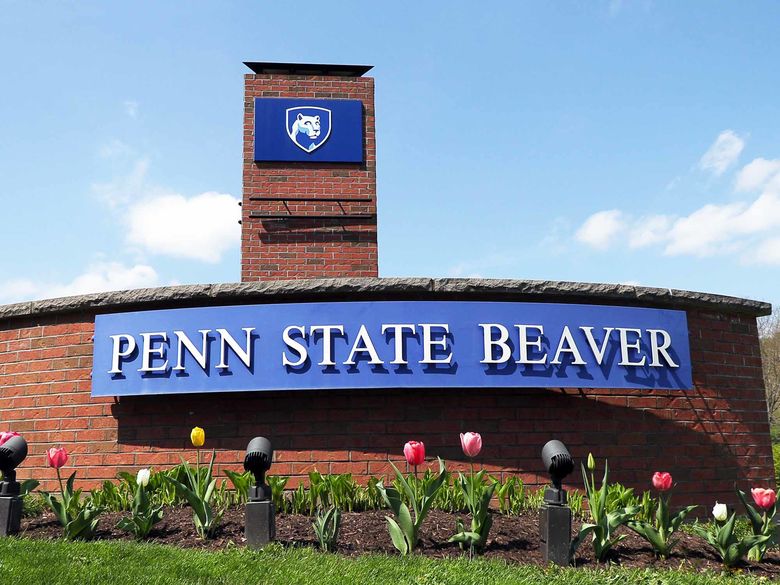
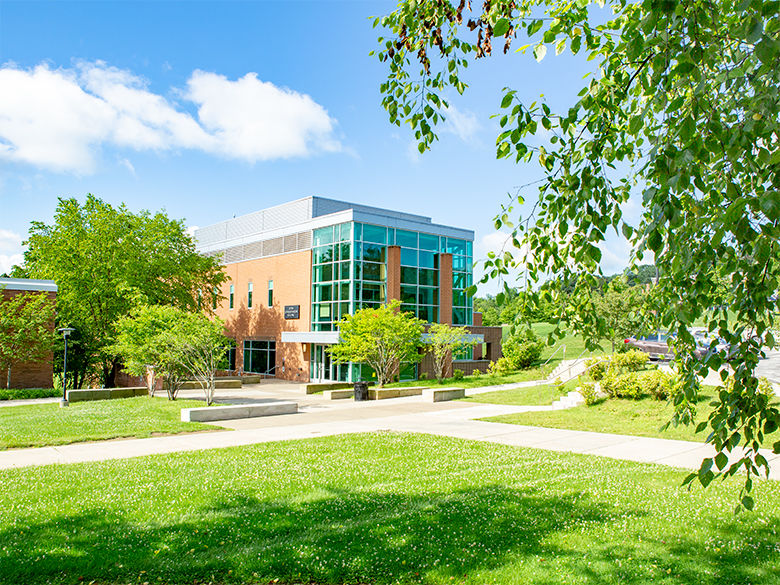
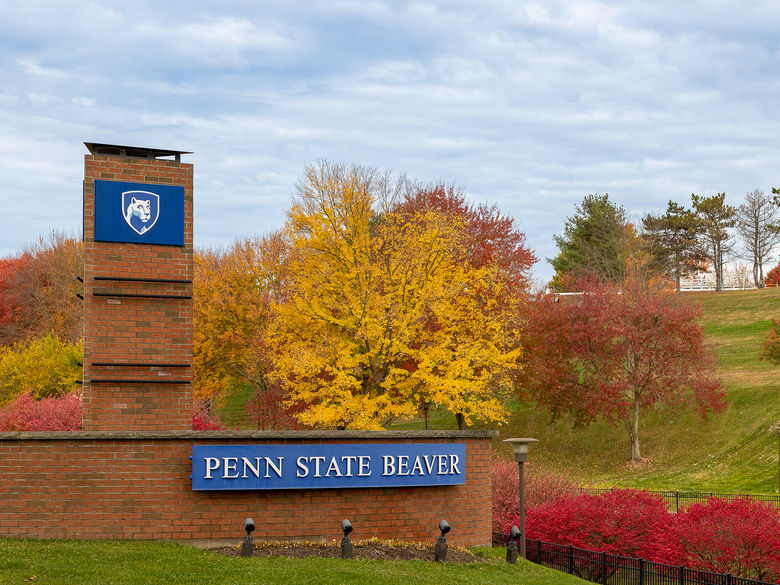
Penn State Beaver is the quiet cousin in the sprawling Penn State system—a wooded, 105-acre campus where nearly everyone gets in (96% acceptance rate) but only 18% graduate. With small classes and a tight-knit community, it’s a low-pressure launchpad for students to start one of 10 on-campus majors or begin 275+ Penn State degrees before transferring to University Park. Just 40 minutes from Pittsburgh, it’s a budget-friendly backdoor into the Nittany Lion network.
Admissions
Penn State Beaver is one of the least selective campuses in the Penn State system, with an Acceptance rateThe share of applicants a college admits in a given year. A 10% acceptance rate means it admits about 1 in 10 applicants. hovering between 92-96%—making it a near-open admissions option compared to University Park’s 56% rate. The middle 50% of admitted students have SAT scores between 1080-1250, though 78% of first-year enrollees don’t submit test scores at all. High school GPAs for admits typically range from 3.16 to 3.93, with weighted averages around 3.84. Notably, Beaver serves as a feeder campus: many students transfer after two years to complete degrees at Penn State’s flagship.
Sources
- Common Data Set | Office of Planning, Assessment, and ... - opair
- Pennsylvania State University 2026 Common Data Set - GradGPT
- Common Data Set | Office of Planning, Assessment, and ... - opair
- Pennsylvania State University-Penn State Brandywine - IPEDS
- Common Data Set (CDS) Penn - Institutional Research & Analysis
- How to Use the Penn State Common Data Set - Admit Report
- Eligibility and Class Profile for First-Year Students - Penn State
- Pennsylvania State University -- Beaver Admissions Stats
- Penn State Beaver SAT Scores and GPA - PrepScholar
- Pennsylvania State University - Penn State Beaver Rankings