Loading…
← All schools
Pennsylvania State University-Main Campus
University Park, PApublicpsu.edu
- Acceptance rateThe share of applicants a college admits in a given year. A 10% acceptance rate means it admits about 1 in 10 applicants.
- 61%
- SAT 25th-75th percentileThe middle range of SAT scores for admitted students: a quarter scored below the low number and a quarter scored above the high number.
- 1240–1420
- Undergrad enrollment
- 42,284
- Net priceWhat a family actually pays after grants and scholarships are subtracted from the sticker price — usually far less than the published cost.
- $32,875
- In-state tuition
- $20,644
- Out-of-state tuition
- $41,790
- Avg Net Price
- $32,638
- Middle 50% ACT
- 25-31
- Middle 50% SAT
- 1250-1430
- Acceptance Rate
- 60.6%
- Avg GPA (Weighted)
- 3.84
- Most Popular Majors
- Business, Engineering, Psychology
- Undergrad Enrollment
- 42,619
Quick answers
- What is the acceptance rate at Pennsylvania State University-Main Campus?
- Pennsylvania State University-Main Campus's acceptance rate is approximately 61% (University Park, PA), based on the most recent figures we compiled from public and primary sources.
- What SAT score do you need for Pennsylvania State University-Main Campus?
- Admitted students at Pennsylvania State University-Main Campus typically score 1240–1420 on the SAT (the middle-50% range). Scores outside this band are still admitted, especially with strong applications.
- How much does Pennsylvania State University-Main Campus cost?
- At Pennsylvania State University-Main Campus, the average net price (after aid) is about $32,875 per year. Actual cost varies with financial aid and residency.
- How many undergraduates attend Pennsylvania State University-Main Campus?
- Pennsylvania State University-Main Campus enrolls approximately 42,284 undergraduate students.
- Where is Pennsylvania State University-Main Campus located?
- Pennsylvania State University-Main Campus is located in University Park, PA.
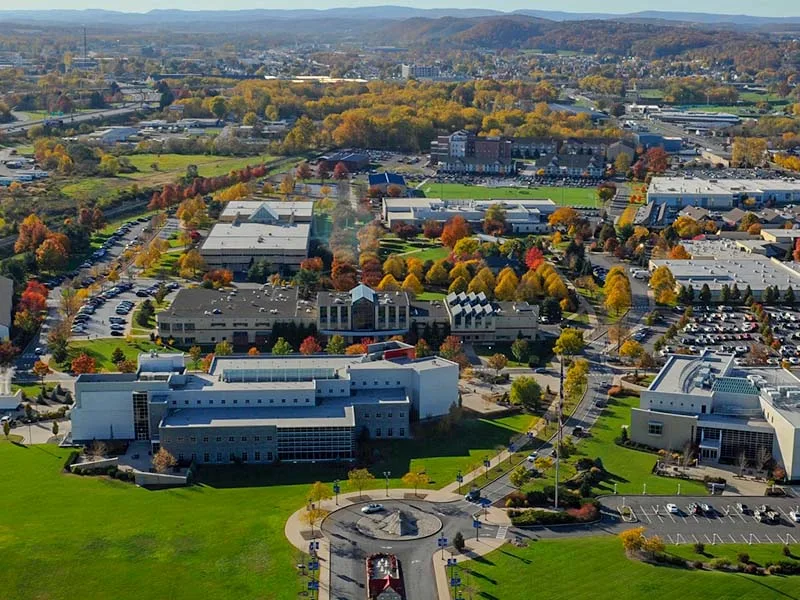
Penn State University Park is a sprawling, spirited public university where football Saturdays and the THON dance marathon define campus culture as much as its powerhouse business and engineering programs. With a 60% acceptance rate and a student body of over 42,000, it’s a place where ambition meets Big Ten school spirit—though its middling graduation rates and high net price give some pause.
Admissions
Penn State’s Acceptance rateThe share of applicants a college admits in a given year. A 10% acceptance rate means it admits about 1 in 10 applicants. hovers around 60%, making it moderately selective—though rumors swirl about a potential drop to single digits for certain cohorts ([10]). The middle 50% of admitted students boast SAT scores between 1250-1430, ACT scores of 25-31, and weighted GPAs averaging 3.84 ([2], [7]). Test-optionalA policy where you choose whether to submit SAT or ACT scores. If you don't, the rest of your application carries more weight. policies remain through 2025, but submitted scores skew toward the upper quartile ([5]). Notably, only 35% of applicants ranked in the top 10% of their high school class ([8]), suggesting Penn State values breadth over elitism.
Sources
- Common Data Set | Office of Planning, Assessment, and ... - opair
- Pennsylvania State University 2026 Common Data Set - GradGPT
- Common Data Set (CDS) Penn - Institutional Research & Analysis
- How to Use the Penn State Common Data Set - Admit Report
- [PDF] Common Data Set 2022-2023 - CDN
- Common Data Set: Home
- Eligibility and Class Profile for First-Year Students - Penn State
- What You Need For Penn State: SAT Scores and GPA - PrepScholar
- The Pennsylvania State University--University Park Admissions
- 8% acceptance for main campus this year? : r/PennStateUniversity