Loading…
← All schools
Paul Smiths College of Arts and Science
Paul Smiths, NYprivate nonprofitpaulsmiths.edu
- Acceptance rateThe share of applicants a college admits in a given year. A 10% acceptance rate means it admits about 1 in 10 applicants.
- 77%
- Undergrad enrollment
- 579
- Net priceWhat a family actually pays after grants and scholarships are subtracted from the sticker price — usually far less than the published cost.
- $26,683
- In-state tuition
- $33,009
- Out-of-state tuition
- $33,009
- Location
- Paul Smiths, NY
- Acceptance Rate
- 76.5%
- Notable Programs
- Forestry, Culinary Arts, Recreation Management
- Average Net Price
- $23,608
- Undergrad Enrollment
- 948
- Student-Faculty Ratio
- 15:1
- 6-Year Graduation Rate
- 66%
- Median 10-Year Earnings
- $46,145
Quick answers
- What is the acceptance rate at Paul Smiths College of Arts and Science?
- Paul Smiths College of Arts and Science's acceptance rate is approximately 77% (Paul Smiths, NY), based on the most recent figures we compiled from public and primary sources.
- How much does Paul Smiths College of Arts and Science cost?
- At Paul Smiths College of Arts and Science, the average net price (after aid) is about $26,683 per year. Actual cost varies with financial aid and residency.
- How many undergraduates attend Paul Smiths College of Arts and Science?
- Paul Smiths College of Arts and Science enrolls approximately 579 undergraduate students.
- Where is Paul Smiths College of Arts and Science located?
- Paul Smiths College of Arts and Science is located in Paul Smiths, NY.
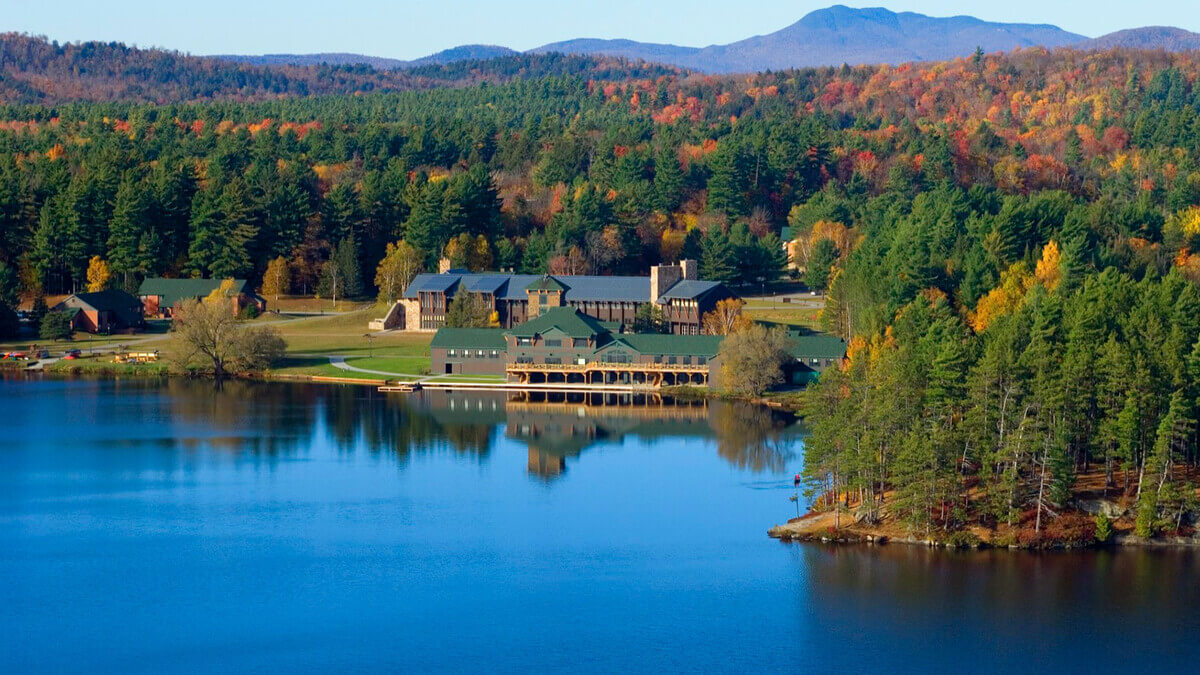
Paul Smith's College is a small, hands-on institution in the Adirondacks where students trade lecture halls for forest trails and kitchen labs. With acceptance rates hovering around 77% and a 30% surge in freshman enrollment for Fall 2025, it's attracting outdoorsy pragmatists who want degrees in forestry, culinary arts, and sustainability—not theory, but chainsaws and chef's knives. The 15:1 student-faculty ratio means professors know your name, and the median graduate earns $46,145 within a decade of leaving campus.
Admissions
Paul Smith's College is moderately selective, with a 76.5% Acceptance rateThe share of applicants a college admits in a given year. A 10% acceptance rate means it admits about 1 in 10 applicants. in 2024 (711 admits from 929 applications). The school is bucking national enrollment trends—first-time freshman numbers jumped 30% for Fall 2025. Typical admitted students have ACT scores between 17-22 or SAT scores of 920-1,100, though the college is test-blind and accepts TOEFL as an alternative. Early applicants enjoy an 85.8% acceptance rate, significantly higher than the regular decision pool. The average GPA hovers around 2.8, suggesting the school values practical experience over perfect transcripts.
Sources
- [PDF] A. General Information - Smith College
- Paul Smiths College of Arts and Science - DFR Report HTML
- Paul Smith's College reports significant growth for Fall 2025 ...
- Paul Smith's College Acceptance Rate - CollegeData
- Paul Smiths College of Arts and Science - Data USA
- Paul Smith's College - Profile, Rankings and Data | US News Best ...
- Paul Smiths College of Arts and Science Acceptance Rate
- Paul Smith's College Admissions - U.S. News & World Report
- Paul Smith's College Admissions: SAT Scores, Costs... - ThoughtCo