Loading…
← All schools
Pacific Northwest College of Art
Portland, ORprivate nonprofitwillamette.edu/pnca/index.html
- Acceptance rateThe share of applicants a college admits in a given year. A 10% acceptance rate means it admits about 1 in 10 applicants.
- 75%
- Undergrad enrollment
- 420
- Net priceWhat a family actually pays after grants and scholarships are subtracted from the sticker price — usually far less than the published cost.
- $35,785
- In-state tuition
- $49,006
- Out-of-state tuition
- $49,006
- Net Price
- $35,785
- Average GPA
- 3.48
- Merger Partner
- Willamette University
- Popular Majors
- Illustration, Digital Arts, Fine Arts
- Acceptance Rate
- 75%
- Graduation Rate
- 29%
- Student Housing
- Arthouse (featured on Instagram)
- Early Career Earnings
- $21,811
Quick answers
- What is the acceptance rate at Pacific Northwest College of Art?
- Pacific Northwest College of Art's acceptance rate is approximately 75% (Portland, OR), based on the most recent figures we compiled from public and primary sources.
- How much does Pacific Northwest College of Art cost?
- At Pacific Northwest College of Art, the average net price (after aid) is about $35,785 per year. Actual cost varies with financial aid and residency.
- How many undergraduates attend Pacific Northwest College of Art?
- Pacific Northwest College of Art enrolls approximately 420 undergraduate students.
- Where is Pacific Northwest College of Art located?
- Pacific Northwest College of Art is located in Portland, OR.
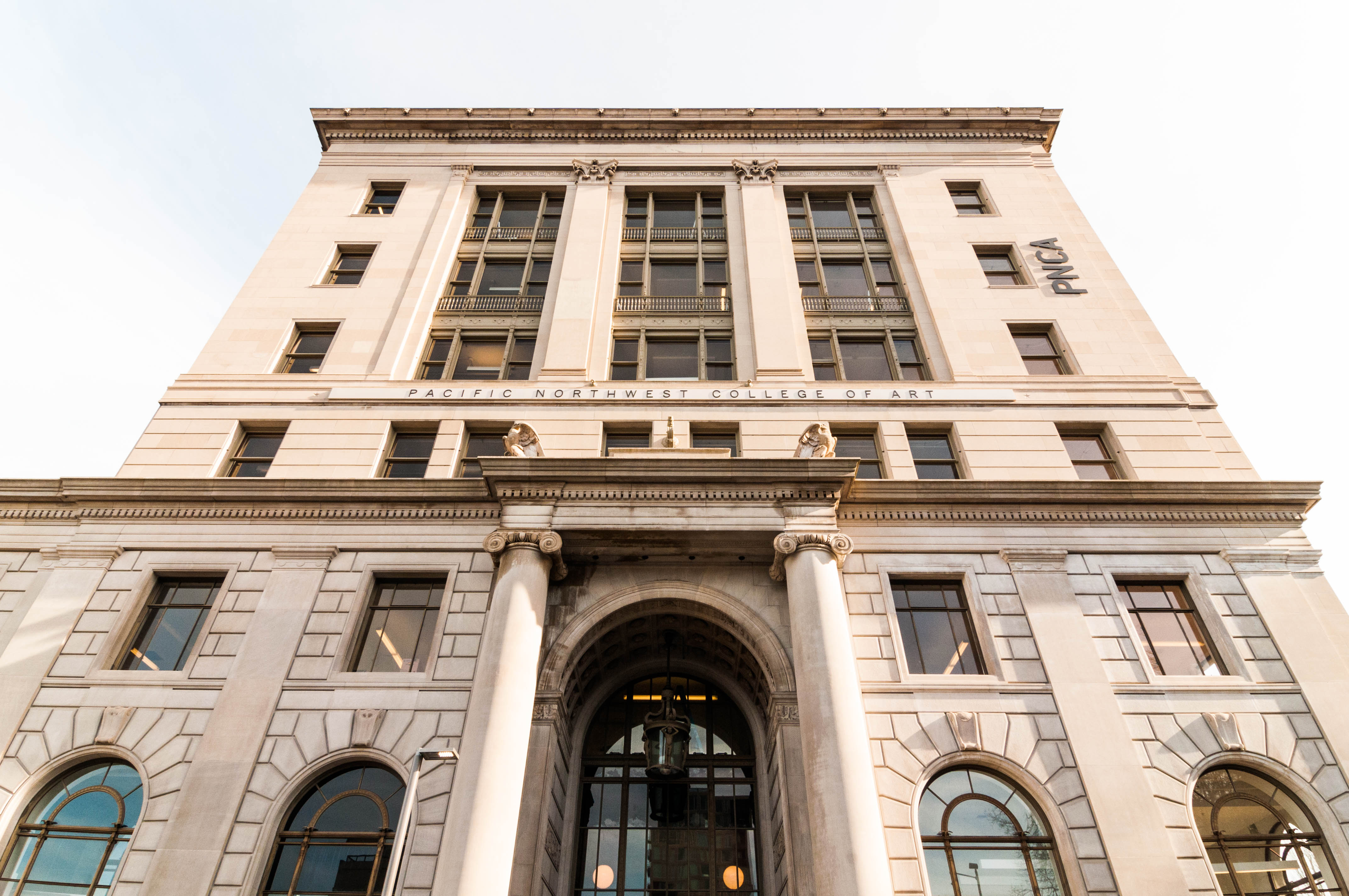
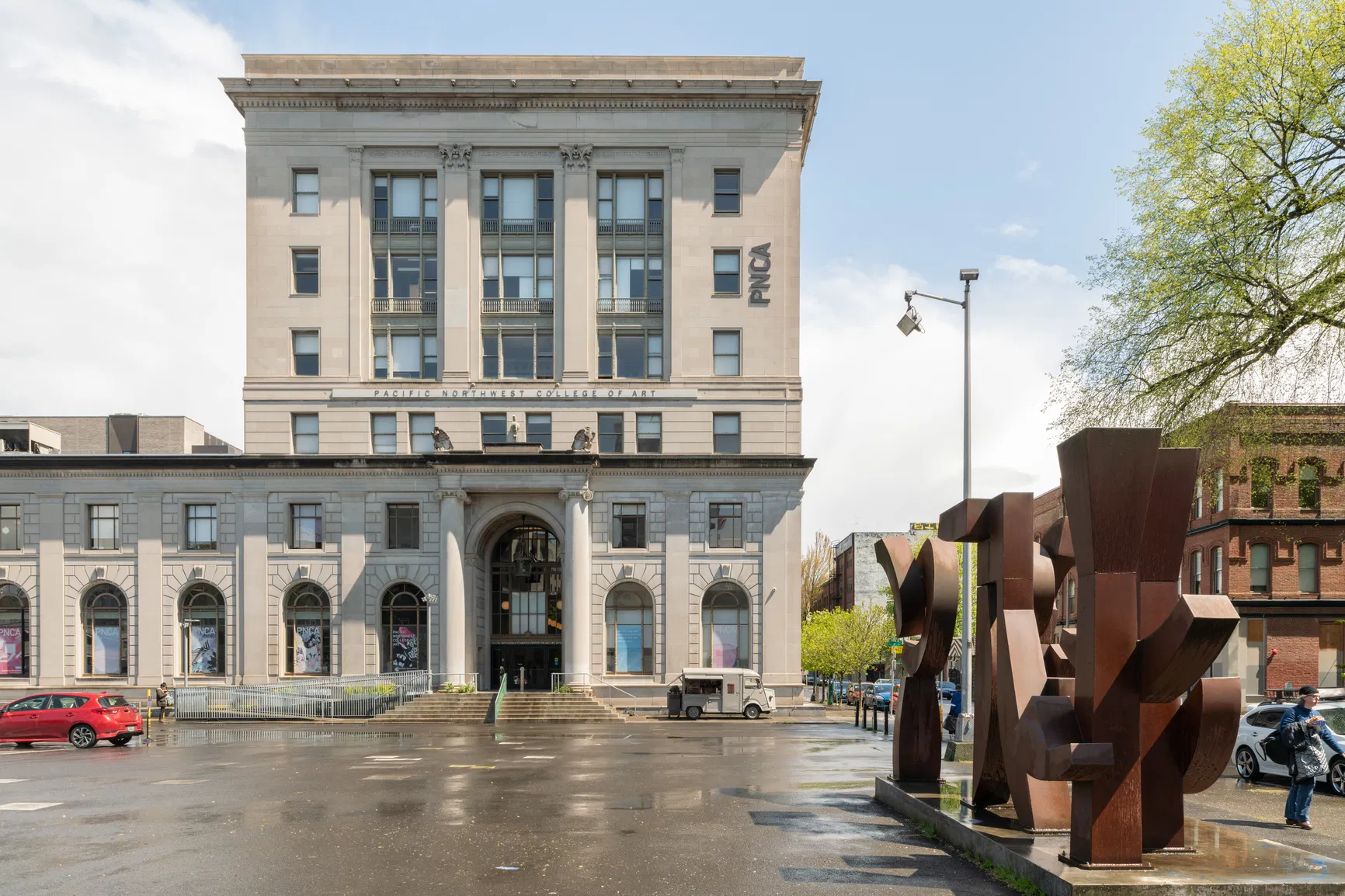
Pacific Northwest College of Art (PNCA) is Portland's scrappy, experimental art school, where students dive into hands-on studio practice amid the city's thriving creative scene. With a 75% acceptance rate and a focus on illustration, digital arts, and fine arts, PNCA attracts students who want to push boundaries—though its 29% graduation rate suggests the path isn't for everyone. The school's merger with Willamette University adds liberal arts depth to its DIY ethos.
Admissions
PNCA is accessible by art school standards, admitting 75% of applicants (363 out of 485 in 2024), though Acceptance rateThe share of applicants a college admits in a given year. A 10% acceptance rate means it admits about 1 in 10 applicants. have declined by nearly 20% recently. The average admitted student has a 3.48 GPA, and while SAT/ACT scores are considered, the portfolio carries far more weight. The regular decision deadline is February 1, with a priority deadline of January 15. Notably, the school's merger with Willamette University has begun to shift its admissions profile, blending PNCA's freewheeling vibe with more traditional academic expectations.
Academics
PNCA offers —with illustration, digital arts, and fine arts being the most popular—plus five graduate programs including an unusual . The curriculum leans heavily on studio practice, though the Willamette merger has introduced more liberal arts coursework. A standout feature is the school's , which lets students refine their portfolios before applying to MFA programs. Forbes notes that PNCA's partnership with Willamette provides 'a rare breadth of academic tools,' blending art-school intensity with civic engagement and policy studies.
Sources
- Pacific Northwest College of Art Overview - CollegeData
- [PDF] Common Data Set 2024-2025
- Common Data Set: Home
- How To Use a Common Data Set - The College Solution
- The Common Data Set: What It Is & How to Use It In College ...
- Pacific Northwest College of Art | Data USA
- Pacific Northwest College of Art Requirements for Admission
- Pacific Northwest College of Art - Tuition and Acceptance Rate
- Pacific Northwest College of Art (PNCA) - The Princeton Review
- Willamette University Pacific Northwest College Of Art - BigFuture