Loading…
← All schools
Oberlin College
Oberlin, OHprivate nonprofitwww.oberlin.edu/
- Acceptance rateThe share of applicants a college admits in a given year. A 10% acceptance rate means it admits about 1 in 10 applicants.
- 34%
- SAT 25th-75th percentileThe middle range of SAT scores for admitted students: a quarter scored below the low number and a quarter scored above the high number.
- 1360–1520
- Undergrad enrollment
- 2,887
- Net priceWhat a family actually pays after grants and scholarships are subtracted from the sticker price — usually far less than the published cost.
- $38,645
- In-state tuition
- $67,366
- Out-of-state tuition
- $67,366
- Average SAT
- 1360–1530
- Campus Size
- 440 acres
- Financial Aid
- $56,289 average need-based award
- Acceptance Rate
- 34%
- Graduation Rate
- 82% (6-year)
- Most Popular Majors
- Music Performance, Biology, Psychology
- Median Earnings (1yr)
- $36,427
- Student Organizations
- 150+
- Early Decision Enrollees
- 37% (A&S)
Quick answers
- What is the acceptance rate at Oberlin College?
- Oberlin College's acceptance rate is approximately 34% (Oberlin, OH), based on the most recent figures we compiled from public and primary sources.
- What SAT score do you need for Oberlin College?
- Admitted students at Oberlin College typically score 1360–1520 on the SAT (the middle-50% range). Scores outside this band are still admitted, especially with strong applications.
- How much does Oberlin College cost?
- At Oberlin College, the average net price (after aid) is about $38,645 per year. Actual cost varies with financial aid and residency.
- How many undergraduates attend Oberlin College?
- Oberlin College enrolls approximately 2,887 undergraduate students.
- Where is Oberlin College located?
- Oberlin College is located in Oberlin, OH.
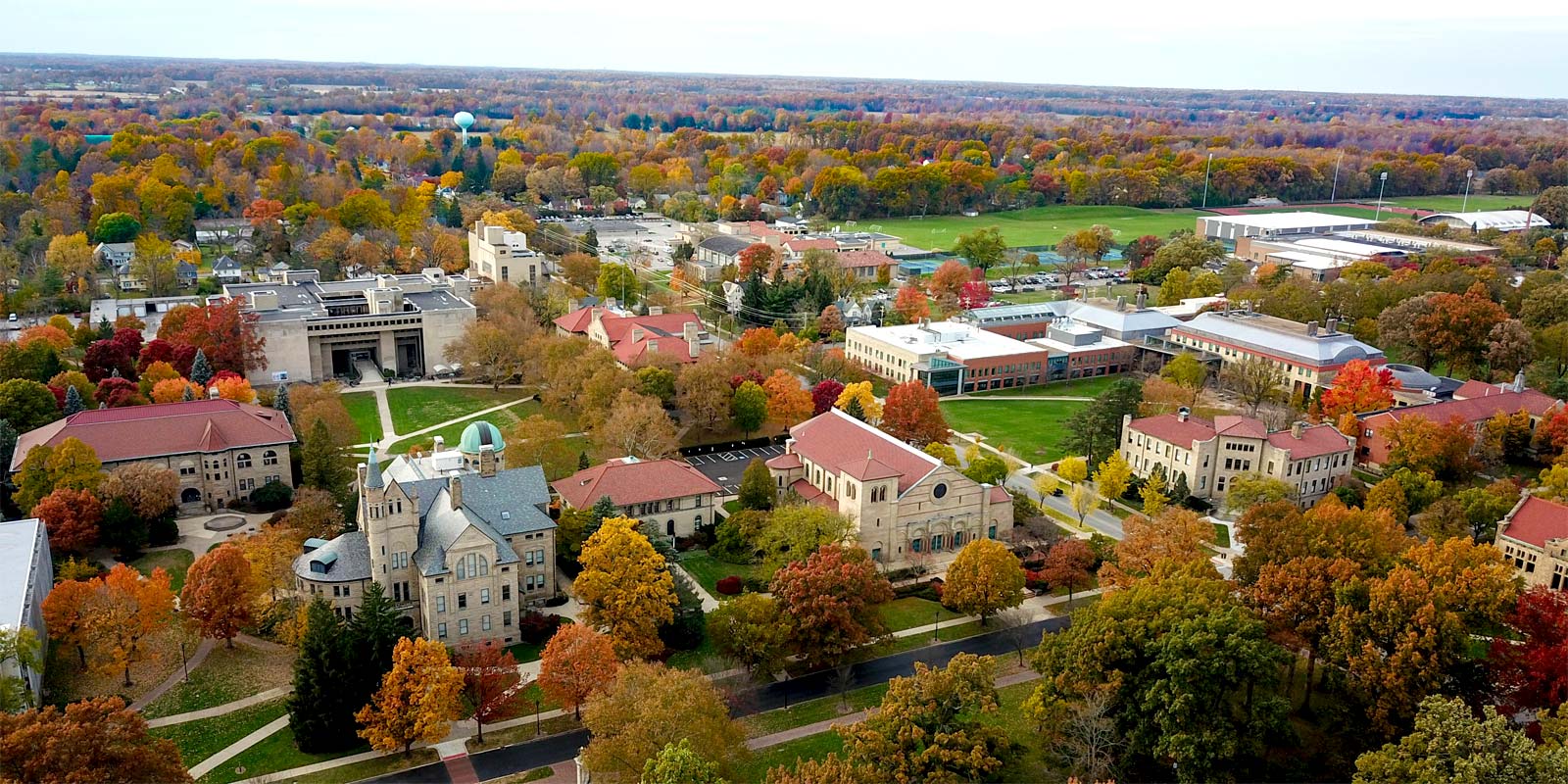
Oberlin College is a fiercely intellectual, musically vibrant liberal arts college with a legacy of progressive activism and academic rigor. Known for its top-tier Conservatory of Music and a student body that thrives on both artistic expression and social justice, Oberlin offers a uniquely intense and collaborative environment where 37% of Arts & Sciences students arrive via Early Decision.
Admissions
Oberlin's admissions process is selective, with a 34% Acceptance rateThe share of applicants a college admits in a given year. A 10% acceptance rate means it admits about 1 in 10 applicants. ([9], [10], [11]). The middle 50% of admitted students score between 1360–1530 on the SAT or 30–34 on the ACT ([8], [9], [10]). Notably, 37% of enrolling Arts & Sciences students come through Early Decision ([7]), reflecting the college's strong appeal to committed applicants. Recent data shows shifting demographics, with increasing enrollment of students of color alongside declining white enrollment ([3]).
Sources
- Common Data Set | Oberlin College and Conservatory
- [PDF] Common Data Set 2024-2025 - Oberlin College and Conservatory
- Small Gains for Students of Color, Plummeting White Enrollment in ...
- Common Data Set: Home
- Where did they hide the Common Data Set? - Oberlin College
- Oberlin College - DFR Report PDF - Department of Education
- Class Profile | Oberlin College and Conservatory
- Oberlin SAT Scores and GPA - PrepScholar
- Oberlin College Admissions - BigFuture College Search
- Oberlin College Admissions & Acceptance - Niche