Loading…
← All schools
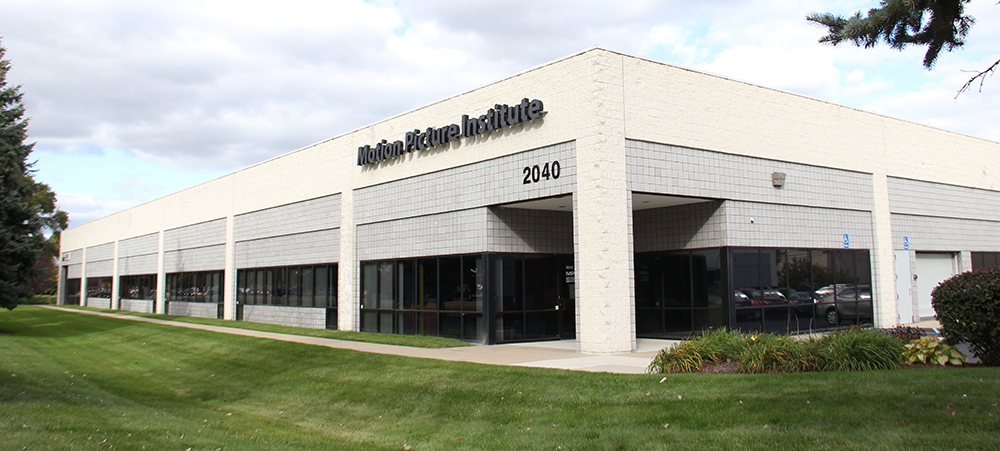
Motion Picture Institute
Troy, MIprivate forprofitmotionpicture.edu
- Acceptance rateThe share of applicants a college admits in a given year. A 10% acceptance rate means it admits about 1 in 10 applicants.
- 90%
- Undergrad enrollment
- 53
- Focus
- Hands-on film production
- Tuition
- $17,500 (full program)
- Location
- Troy, MI
- Campus Size
- 6,000 sq ft soundstage
- Program Length
- 12 months
- Acceptance Rate
- 89.7% (2024)
Quick answers
- What is the acceptance rate at Motion Picture Institute?
- Motion Picture Institute's acceptance rate is approximately 90% (Troy, MI), based on the most recent figures we compiled from public and primary sources.
- How many undergraduates attend Motion Picture Institute?
- Motion Picture Institute enrolls approximately 53 undergraduate students.
- Where is Motion Picture Institute located?
- Motion Picture Institute is located in Troy, MI.
Motion Picture Institute is a hyper-focused, no-frills film school where students dive into hands-on production from day one. With an 89.7% acceptance rate and a 12-month intensive program, MPI trades prestige for practicality, offering a fast-track into filmmaking at a fraction of the cost of coastal competitors.
Admissions
MPI's admissions process is refreshingly straightforward—no SAT/ACT required (though they can be submitted for placement purposes), and with an 89.7% acceptance rate (26 admits from 29 applicants in 2024), the barrier to entry is more about passion than pedigree. The school emphasizes accessibility, with a $150 non-refundable registration fee due upon enrollment. Unlike elite film schools with single-digit Acceptance rateThe share of applicants a college admits in a given year. A 10% acceptance rate means it admits about 1 in 10 applicants., MPI prioritizes readiness over rankings, making it a viable option for students who want to bypass the gatekeeping of traditional programs.
Academics
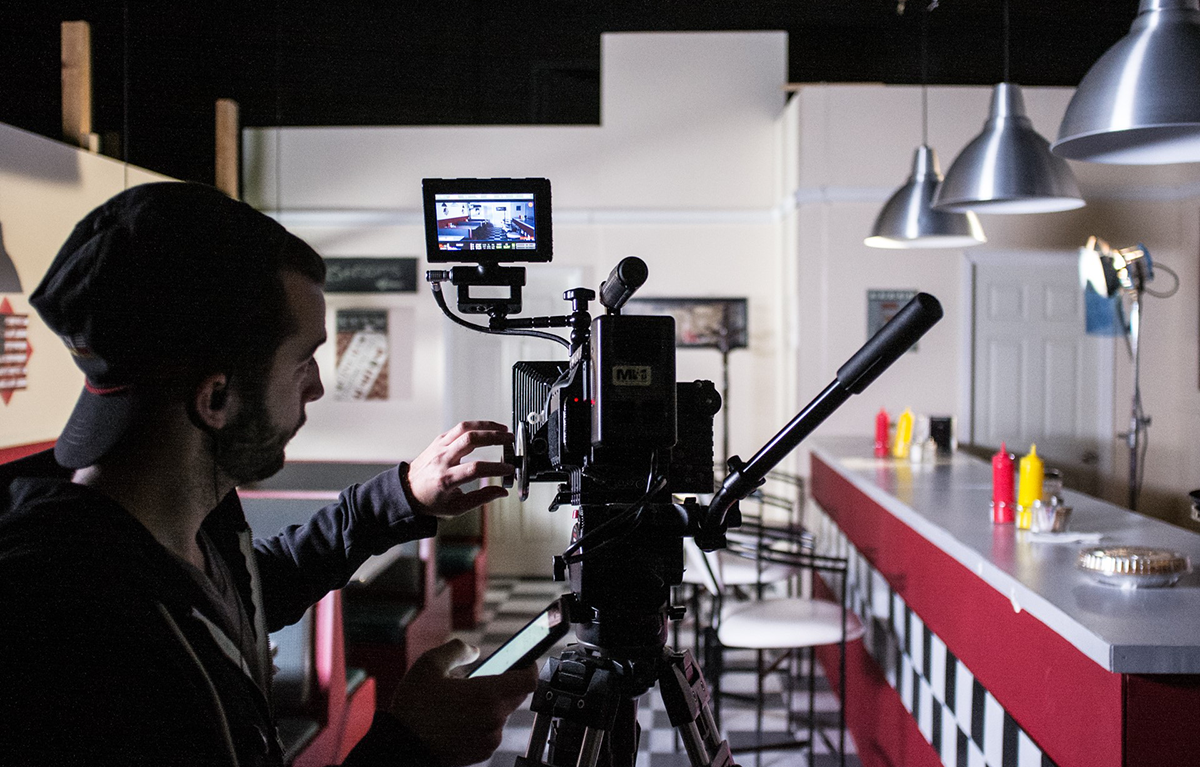
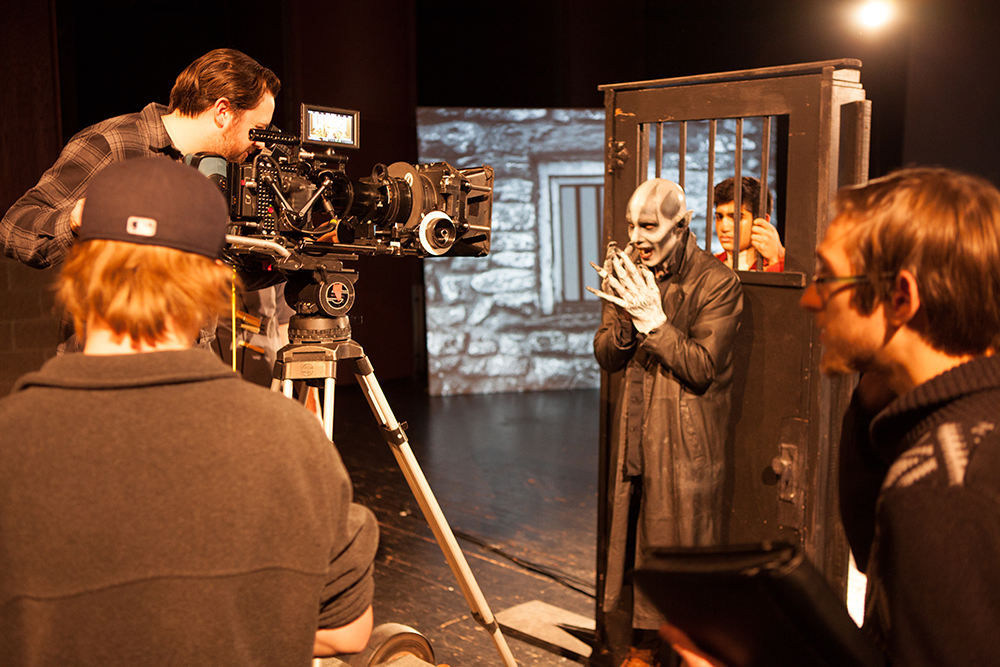
MPI’s 12-month Motion Picture Production Program is a bootcamp-style immersion in every facet of filmmaking: screenwriting, directing, cinematography, sound, and editing. Students work on real soundstages with professional equipment, creating their own projects from day one—no theory-heavy lectures here. The curriculum is entirely hands-on, a stark contrast to traditional four-year film schools. Alumni describe it as 'totally digital' and hyper-focused on practical skills, with free workshops occasionally offered to the community. The program’s brevity (and $17,500 tuition) appeals to those who want to skip general ed and start working fast.
Sources
- [PDF] 2023-2024 Common Data Set Template
- [PDF] Common Data Set 2022-2023 - Pratt Institute
- Motion Picture Institute - Data USA
- [PDF] Common Data Set 2024-2025 - New York University
- Common Data Set | The City College of New York
- [PDF] ACADEMIC CATALOG - Motion Picture Institute
- Motion Picture Institute Acceptance Rate and SAT/ACT Scores
- Motion Picture Institute — Acceptance Rate, Costs & More | College ...
- How smart do you need to be to go to film school? - FilmSchool.org