Loading…
← All schools
Montana State University
Bozeman, MTpublicmontana.edu
- Acceptance rateThe share of applicants a college admits in a given year. A 10% acceptance rate means it admits about 1 in 10 applicants.
- 82%
- SAT 25th-75th percentileThe middle range of SAT scores for admitted students: a quarter scored below the low number and a quarter scored above the high number.
- 1065–1285
- Undergrad enrollment
- 14,451
- Net priceWhat a family actually pays after grants and scholarships are subtracted from the sticker price — usually far less than the published cost.
- $22,499
- In-state tuition
- $8,460
- Out-of-state tuition
- $33,287
- Notable Fact
- Tied for 9th nationally in undergraduate research participation
- Acceptance Rate
- 82%
- Mid 50% ACT Range
- 21–27
- Mid 50% SAT Range
- 1075–1270
- Avg High School GPA
- 3.57
- 6-Year Graduation Rate
- 57%
- In-State Tuition (2024)
- ~$8,000/year
Quick answers
- What is the acceptance rate at Montana State University?
- Montana State University's acceptance rate is approximately 82% (Bozeman, MT), based on the most recent figures we compiled from public and primary sources.
- What SAT score do you need for Montana State University?
- Admitted students at Montana State University typically score 1065–1285 on the SAT (the middle-50% range). Scores outside this band are still admitted, especially with strong applications.
- How much does Montana State University cost?
- At Montana State University, the average net price (after aid) is about $22,499 per year. Actual cost varies with financial aid and residency.
- How many undergraduates attend Montana State University?
- Montana State University enrolls approximately 14,451 undergraduate students.
- Where is Montana State University located?
- Montana State University is located in Bozeman, MT.
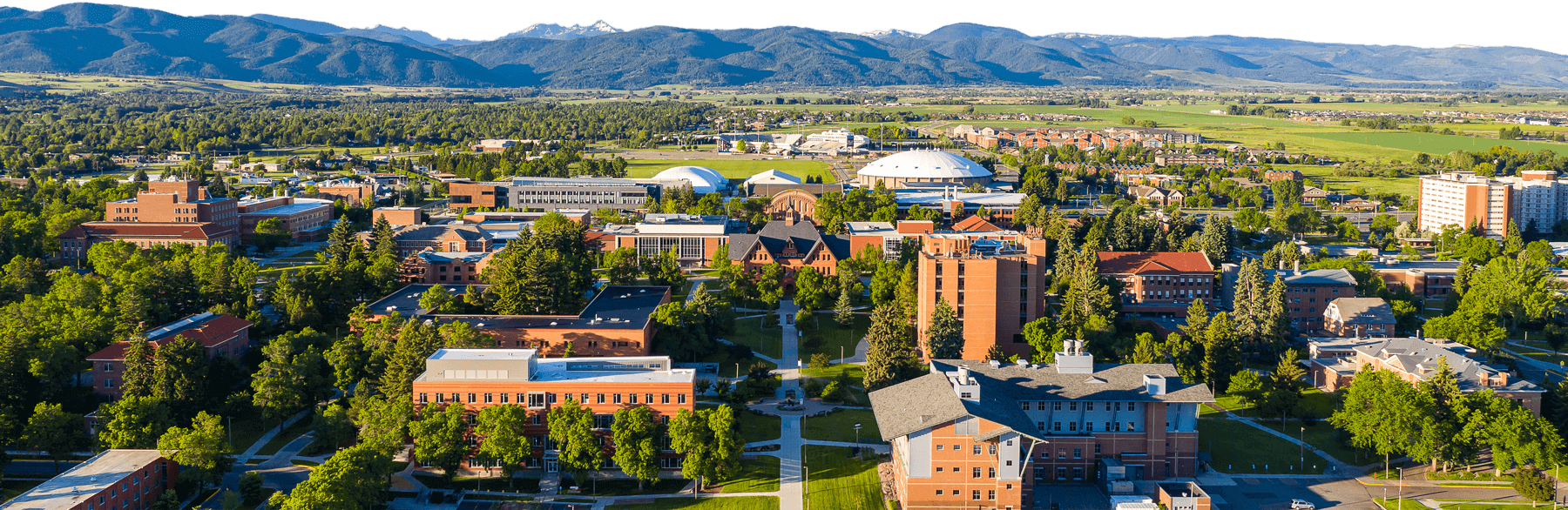
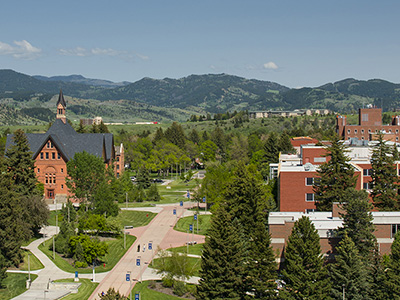
Montana State University in Bozeman is a public research university that combines rugged outdoor adventure with serious STEM chops. Known for its strong engineering, architecture, and agriculture programs, MSU attracts students who want big-sky academics without cutthroat competition—its 82% acceptance rate reflects an accessible but engaged student body. The campus buzzes with a laid-back, outdoorsy vibe, where hiking boots are as common as textbooks and the nearby Gallatin Range serves as an unofficial quad.
Admissions
Montana State's admissions process leans inclusive, with an 82% acceptance rate (2023 data) that makes it one of the more accessible public universities in the region. The middle 50% of admitted students typically score between 1075–1270 on the SAT or 21–27 on the ACT, though test scores are no longer required due to a Montana Board of Regents policy change. The average high school GPA of incoming freshmen hovers around 3.57, suggesting solid but not hyper-competitive academic preparation. Notably, MSU enrolls a sizable freshman class—3,329 students in Fall 2019—reflecting its role as a major regional hub. Transfer admissions are straightforward, with rolling deadlines and a focus on completed college credits over standardized tests.
Sources
- Common Data Set - Montana State University
- [PDF] Common Data Set 2024-2025 - Montana State University
- [PDF] Common Data Set 2023-2024 - Montana State University
- [PDF] Common Data Set 2025-2026 - Montana State University
- Common Data Set - Great Falls College
- Common Data Set - Montana State University Billings
- Montana State University Admissions - BigFuture College Search
- Montana State University SAT Scores and GPA
- Admission Requirements for Freshman Students
- Montana State University Admissions & Acceptance - Niche