Loading…
← All schools
Metropolitan College of New York
New York, NYprivate nonprofitmcny.edu
- Acceptance rateThe share of applicants a college admits in a given year. A 10% acceptance rate means it admits about 1 in 10 applicants.
- 90%
- Undergrad enrollment
- 402
- Net priceWhat a family actually pays after grants and scholarships are subtracted from the sticker price — usually far less than the published cost.
- $28,882
- In-state tuition
- $20,188
- Out-of-state tuition
- $20,188
- Founded
- 1964
- MPA Duration
- 1 year
- Avg. Net Price
- $22,183
- Campus Setting
- Urban (Lower Manhattan)
- Acceptance Rate
- 90%
- Graduation Rate
- 25%
- Signature Programs
- Business, Healthcare, Human Services
- Financial Aid Recipients
- 90%
Quick answers
- What is the acceptance rate at Metropolitan College of New York?
- Metropolitan College of New York's acceptance rate is approximately 90% (New York, NY), based on the most recent figures we compiled from public and primary sources.
- How much does Metropolitan College of New York cost?
- At Metropolitan College of New York, the average net price (after aid) is about $28,882 per year. Actual cost varies with financial aid and residency.
- How many undergraduates attend Metropolitan College of New York?
- Metropolitan College of New York enrolls approximately 402 undergraduate students.
- Where is Metropolitan College of New York located?
- Metropolitan College of New York is located in New York, NY.
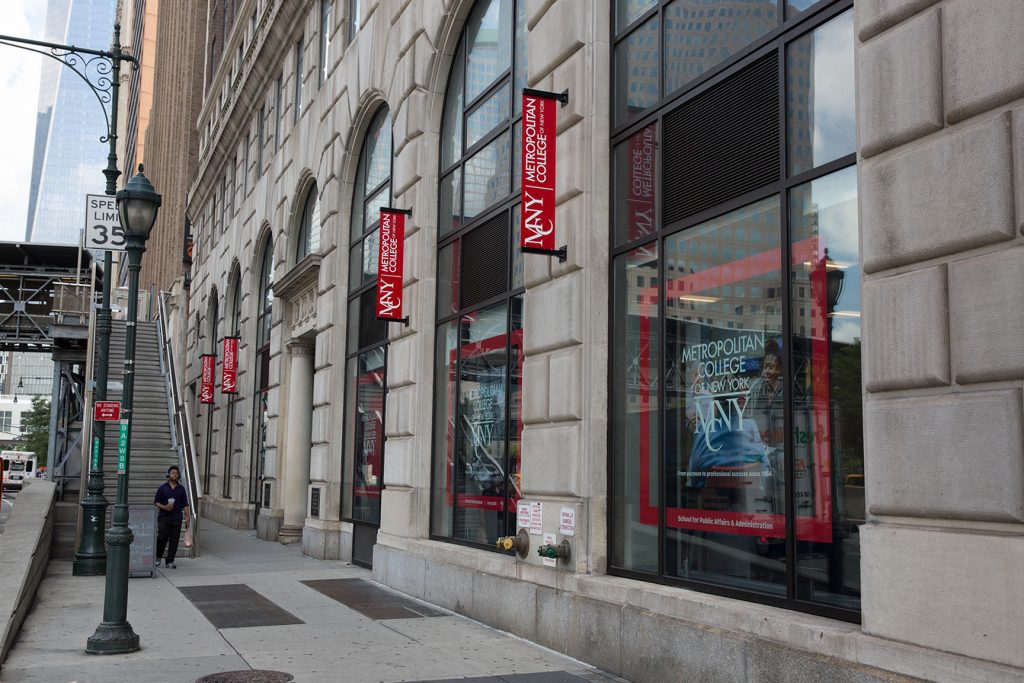
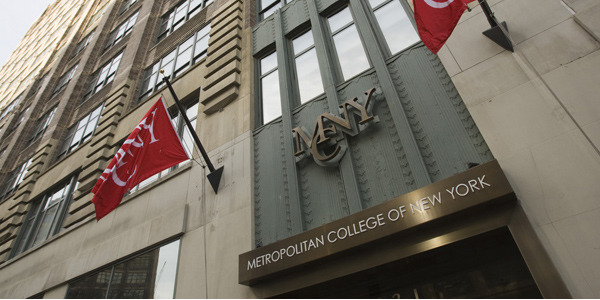
Metropolitan College of New York (MCNY) is a small, purpose-driven institution in Lower Manhattan with a mission rooted in social justice and practical education. Known for its high acceptance rate (90%) and flexible programs in business, healthcare, and human services, MCNY serves a diverse, often non-traditional student body. While graduation rates lag behind national averages, the college provides substantial financial aid and a tight-knit urban campus experience.
Admissions
MCNY is one of the most accessible four-year colleges in New York City, with a 90% acceptance rate (126 admitted from 140 applicants in 2024). The school is Test-optionalA policy where you choose whether to submit SAT or ACT scores. If you don't, the rest of your application carries more weight. but will accept SAT scores as low as 860 (combined Critical Reading and Math) or ACT composites of 18. Unlike selective NYC peers, MCNY emphasizes open access over competitive admissions—its application process prioritizes demonstrated interest and career goals over GPA or test scores. Notably, 84% of female applicants were admitted in recent cycles, reflecting the college's focus on serving underrepresented groups.
Academics
Founded in 1964 by educational activist Audrey Cohen, MCNY offers with a social justice bent. The college specializes in:
Sources
- [PDF] Common Data Set 2024-2025 - New York University
- Common Data Set: Home
- Metropolitan College of New York - IPEDS - Department of Education
- Common Data Set | The City College of New York
- Metropolitan College of New York | Data USA
- [PDF] 2023-2024 Common Data Set Template
- Undergraduate - MCNY
- Metropolitan College of New York - Niche
- Metropolitan College of New York Requirements for Admission
- Metropolitan College of New York Admissions - US News Best ...