Loading…
← All schools
Mesivta of Eastern Parkway-Yeshiva Zichron Meilech
Brooklyn, NYprivate nonprofitmesivtaofeasternparkway.com
- Acceptance rateThe share of applicants a college admits in a given year. A 10% acceptance rate means it admits about 1 in 10 applicants.
- 56%
- Undergrad enrollment
- 39
- Net priceWhat a family actually pays after grants and scholarships are subtracted from the sticker price — usually far less than the published cost.
- $9,927
- In-state tuition
- $10,100
- Out-of-state tuition
- $10,100
- Housing
- None on-campus
- Location
- Brooklyn, NY
- Acceptance Rate
- 56–63%
- Graduation Rate
- 75%
- Total Enrollment
- ~41 students
- Average Aid Award
- $6,548–$10,649
- Single Major Offered
- Talmudic Studies
- Student-Faculty Ratio
- 15:1
- Financial Aid Recipients
Quick answers
- What is the acceptance rate at Mesivta of Eastern Parkway-Yeshiva Zichron Meilech?
- Mesivta of Eastern Parkway-Yeshiva Zichron Meilech's acceptance rate is approximately 56% (Brooklyn, NY), based on the most recent figures we compiled from public and primary sources.
- How much does Mesivta of Eastern Parkway-Yeshiva Zichron Meilech cost?
- At Mesivta of Eastern Parkway-Yeshiva Zichron Meilech, the average net price (after aid) is about $9,927 per year. Actual cost varies with financial aid and residency.
- How many undergraduates attend Mesivta of Eastern Parkway-Yeshiva Zichron Meilech?
- Mesivta of Eastern Parkway-Yeshiva Zichron Meilech enrolls approximately 39 undergraduate students.
- Where is Mesivta of Eastern Parkway-Yeshiva Zichron Meilech located?
- Mesivta of Eastern Parkway-Yeshiva Zichron Meilech is located in Brooklyn, NY.
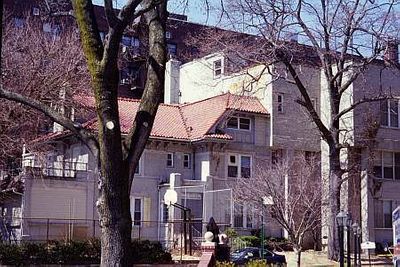
Mesivta of Eastern Parkway-Yeshiva Zichron Meilech is a tiny, ultra-specialized yeshiva in Brooklyn where Talmudic Studies isn’t just a major—it’s the entire curriculum. With an acceptance rate hovering around 60%, it’s more selective than many assume for a school of its size, and its 75% graduation rate suggests students who enroll are deeply committed. This is a place for young men who want to immerse themselves in Jewish scholarship, with no SATs required and a student body small enough to fit in a single Brooklyn townhouse.
Admissions
Getting into Mesivta of Eastern Parkway-Yeshiva Zichron Meilech isn’t about test scores—the school doesn’t require or recommend SAT/ACT submissions. Instead, admissions hinge on alignment with its singular focus: Talmudic Studies. With an Acceptance rateThe share of applicants a college admits in a given year. A 10% acceptance rate means it admits about 1 in 10 applicants. between 56% and 63% (sources vary slightly), it’s moderately selective, admitting just 5 out of 8 applicants in 2023. There’s no application fee, lowering the barrier to apply, but the small cohort size (typically under 10 admitted students per year) means spots are limited. GPA data isn’t publicly reported, suggesting the yeshiva prioritizes religious preparedness over conventional academic metrics.
Sources
- Mesivta of Eastern Parkway-Yeshiva Zichron Meilech
- Mesivta of Eastern Parkway-Yeshiva Zichron Meilech Acceptance ...
- Mesivta of Eastern Parkway-Yeshiva Zichron Meilech
- Mesivta of Eastern Parkway-Yeshiva Zichron Meilech | Data USA
- Mesivta of Eastern Parkway-Yeshiva Zichron Meilech - Peterson's
- Mesivta of Eastern Parkway-Yeshiva Zichron Meilech Admissions
- Mesivta of Eastern Parkway - Yeshiva Zichron Meilech - Niche
- Mesivta of Eastern Parkway-Yeshiva Zichron Meilech | My Future
- Mesivta of Eastern Parkway-Yeshiva Zichron Meilech - Admissions