Loading…
← All schools
Marshall University
Huntington, WVpublicmarshall.edu
- Acceptance rateThe share of applicants a college admits in a given year. A 10% acceptance rate means it admits about 1 in 10 applicants.
- 96%
- SAT 25th-75th percentileThe middle range of SAT scores for admitted students: a quarter scored below the low number and a quarter scored above the high number.
- 910–1150
- Undergrad enrollment
- 7,266
- Net priceWhat a family actually pays after grants and scholarships are subtracted from the sticker price — usually far less than the published cost.
- $7,502
- In-state tuition
- $9,162
- Out-of-state tuition
- $20,342
- Avg Net Price
- $9,734
- Avg SAT Range
- 920–1140
- Popular Majors
- Health Professions, Business
- Acceptance Rate
- 96%
- Graduation Rate
- 49%
- On-Campus Housing
- 23%
- Student Organizations
- 300+
- Median Earnings 1 Yr After Graduation
Quick answers
- What is the acceptance rate at Marshall University?
- Marshall University's acceptance rate is approximately 96% (Huntington, WV), based on the most recent figures we compiled from public and primary sources.
- What SAT score do you need for Marshall University?
- Admitted students at Marshall University typically score 910–1150 on the SAT (the middle-50% range). Scores outside this band are still admitted, especially with strong applications.
- How much does Marshall University cost?
- At Marshall University, the average net price (after aid) is about $7,502 per year. Actual cost varies with financial aid and residency.
- How many undergraduates attend Marshall University?
- Marshall University enrolls approximately 7,266 undergraduate students.
- Where is Marshall University located?
- Marshall University is located in Huntington, WV.
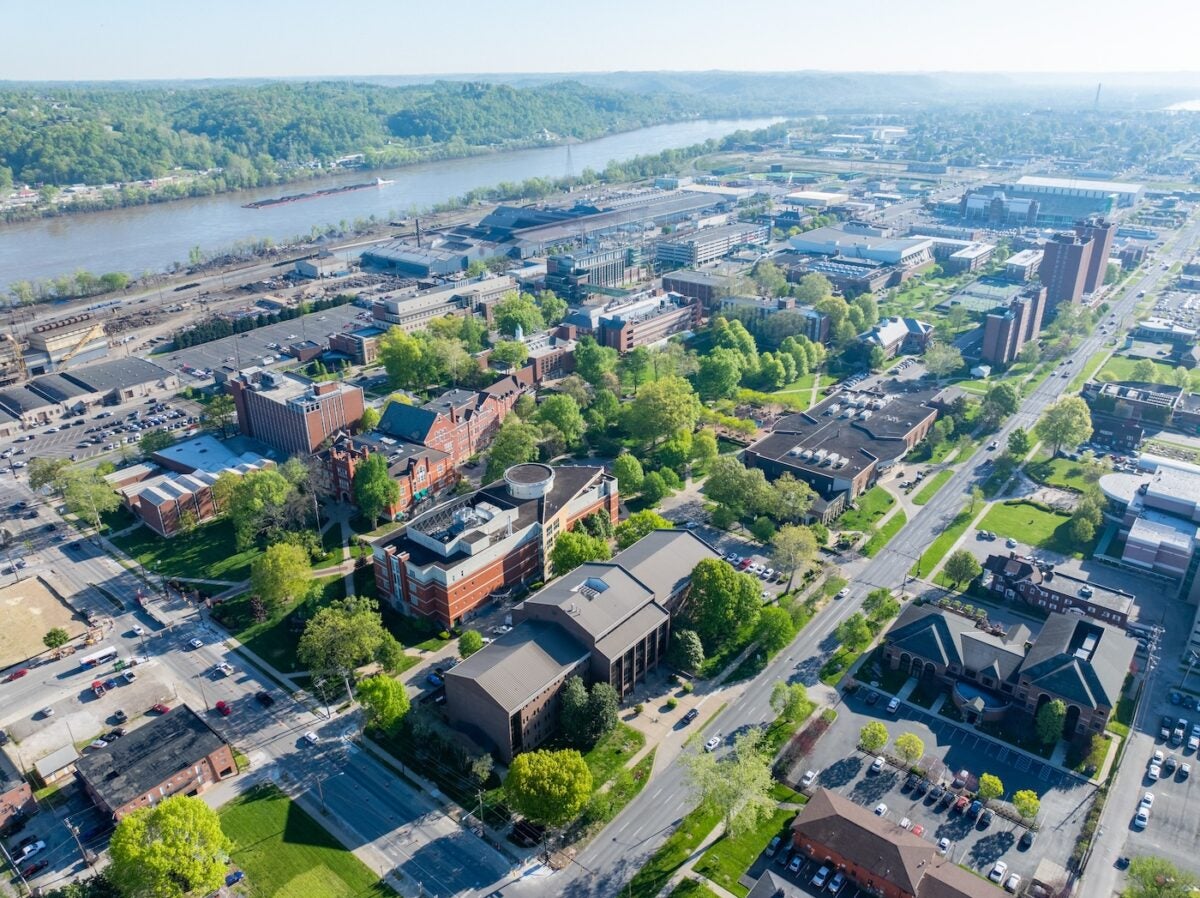
Marshall University is a public institution in Huntington, West Virginia, known for its accessible admissions, strong health professions and business programs, and tight-knit campus culture. With a 96% acceptance rate and a median graduate earning $36,427 a year, it’s a practical choice for students seeking affordability and career preparation in a spirited college town.
Admissions
Marshall University is one of the least selective public universities in the U.S., with a 96% acceptance rate—practically open admissions. The middle 50% of admitted students score between 920–1140 on the SAT or comparable ACT scores, though standardized tests aren’t strictly required for eligibility. The university emphasizes high school GPA (particularly for state residents) and class rank over extracurriculars or essays, making it a straightforward option for applicants. Notably, 71% of admitted students submit SAT scores, suggesting many may qualify via alternative criteria.
Academics
Sources
- Institutional Data - Marshall University
- [PDF] Common Data Set 2024-2025 - Marshall University
- [PDF] 2023-2024 Common Data Set Template - Marshall University
- [PDF] Common Data Set 2024-2025 - Franklin and Marshall College
- Common Data Set - Franklin & Marshall College
- Common Data Set Repository - College Transitions
- Marshall University Admissions - BigFuture College Search
- Class Profile - Franklin and Marshall College
- Marshall University SAT Scores and GPA - PrepScholar
- Marshall University: Acceptance Rate and Admissions Statistics
- Marshall University Admissions & Acceptance - Niche