Loading…
← All schools
Loyola University Chicago
Chicago, ILprivate nonprofitluc.edu
- Acceptance rateThe share of applicants a college admits in a given year. A 10% acceptance rate means it admits about 1 in 10 applicants.
- 82%
- SAT 25th-75th percentileThe middle range of SAT scores for admitted students: a quarter scored below the low number and a quarter scored above the high number.
- 1170–1360
- Undergrad enrollment
- 11,737
- Net priceWhat a family actually pays after grants and scholarships are subtracted from the sticker price — usually far less than the published cost.
- $36,079
- In-state tuition
- $53,710
- Out-of-state tuition
- $53,710
- Net Price
- $37,592
- Top Majors
- Nursing, Business, Biology
- Notable Fact
- 99.5% post-grad placement rate
- Campus Housing
- 43% of students
- Acceptance Rate
- 82%
- 4-Year Graduation Rate
- 72%
- Avg. Financial Aid Package
- $47,000
Quick answers
- What is the acceptance rate at Loyola University Chicago?
- Loyola University Chicago's acceptance rate is approximately 82% (Chicago, IL), based on the most recent figures we compiled from public and primary sources.
- What SAT score do you need for Loyola University Chicago?
- Admitted students at Loyola University Chicago typically score 1170–1360 on the SAT (the middle-50% range). Scores outside this band are still admitted, especially with strong applications.
- How much does Loyola University Chicago cost?
- At Loyola University Chicago, the average net price (after aid) is about $36,079 per year. Actual cost varies with financial aid and residency.
- How many undergraduates attend Loyola University Chicago?
- Loyola University Chicago enrolls approximately 11,737 undergraduate students.
- Where is Loyola University Chicago located?
- Loyola University Chicago is located in Chicago, IL.
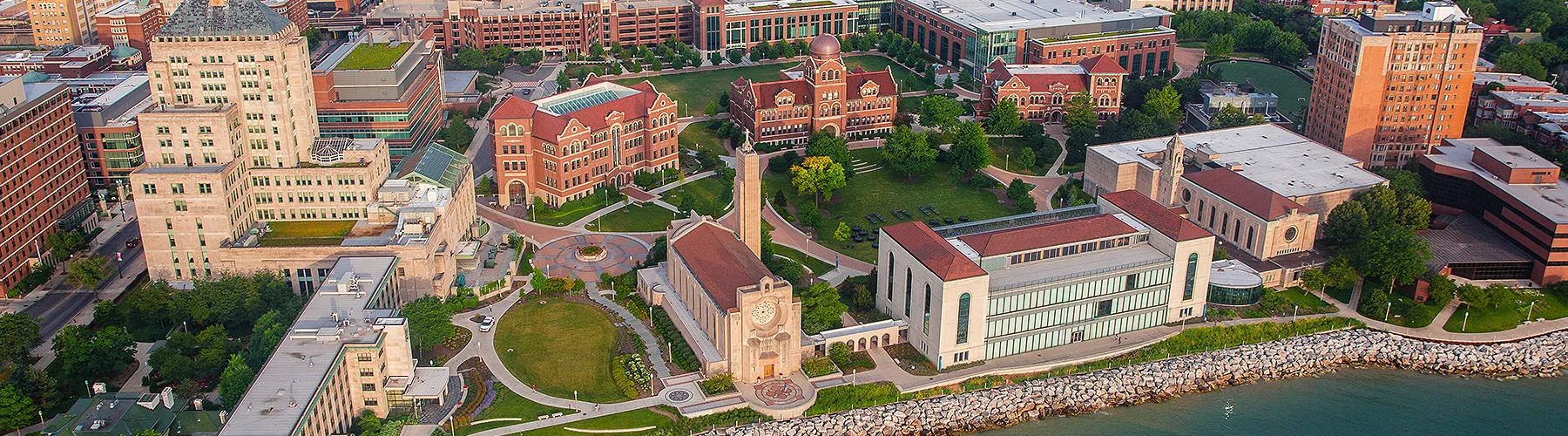
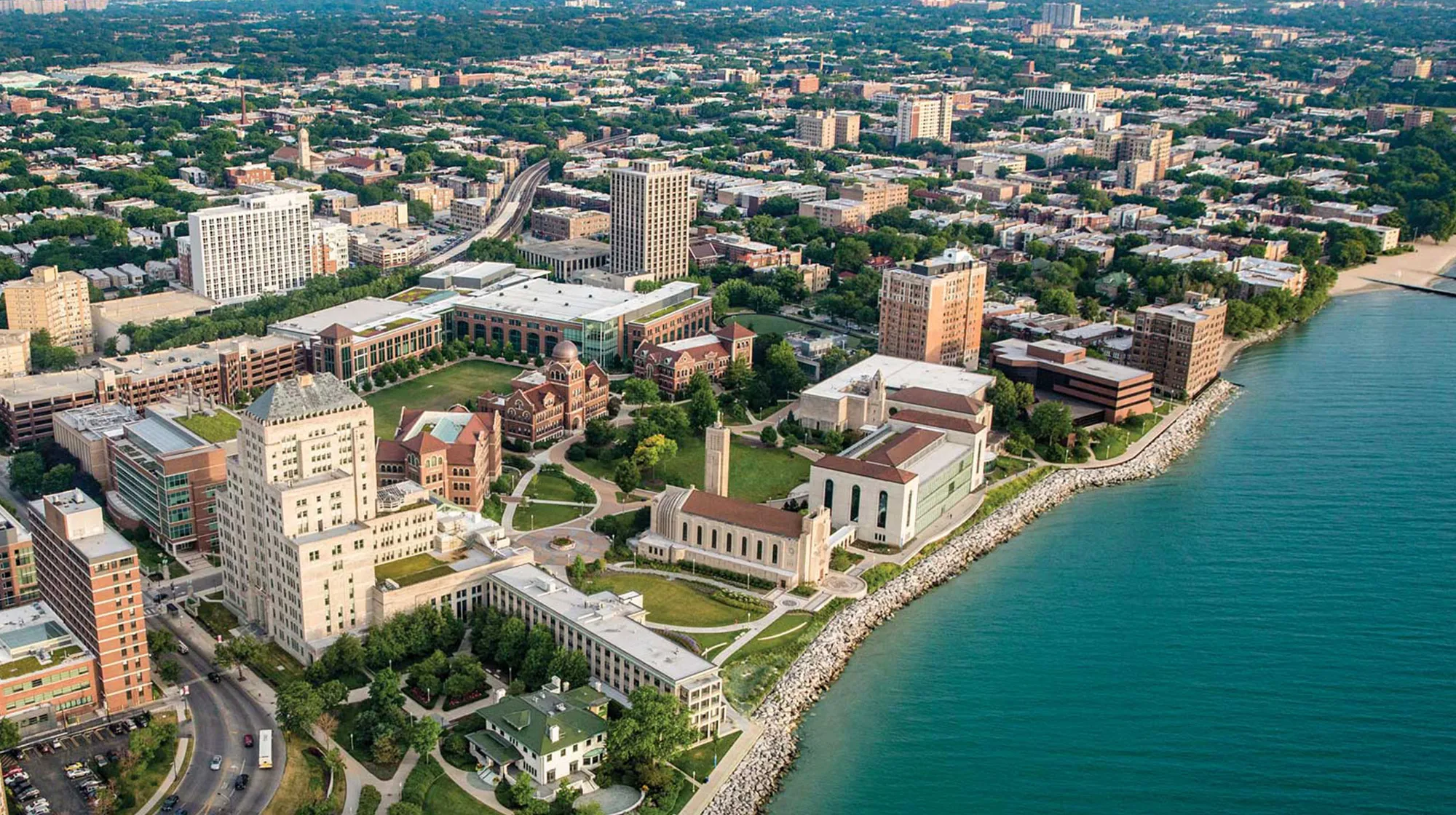
Loyola University Chicago blends Jesuit values with urban energy, offering a mid-sized, accessible university experience anchored by strong nursing, business, and pre-professional programs. Its lakefront campus provides a serene counterpoint to Chicago's internships and nightlife, though students note the core curriculum's heavy footprint. With nearly 100% post-grad placement and deep Chicago ties, Loyola delivers solid ROI for a private school with an 82% acceptance rate.
Admissions
Loyola Chicago's admissions process leans accessible, with an 82% acceptance rate and Test-optionalA policy where you choose whether to submit SAT or ACT scores. If you don't, the rest of your application carries more weight. policies (middle 50% SAT: 1180–1350, ACT: 27–32). The university openly states that 'A/B students in high school will get in'—a transparency reflected in its non-selective reputation. First-year applicants face no strict deadline, though early action is encouraged. Notably, 95% of admitted students receive merit aid, with average freshman packages nearing $47,000.
Sources
- Common Data Set | Loyola University Chicago
- [PDF] Common Data Set 2025-2026 - Loyola University Chicago
- Common Data Sets - Loyola University Maryland
- Common Data Sets | Loyola University New Orleans
- [PDF] Common Data Set 2024-2025 - Loyola University Chicago
- Common Data Set Repository - College Transitions
- Fast Facts | Loyola University Chicago
- Loyola University Chicago Admissions - US News Best Colleges
- Loyola University Chicago SAT Scores and GPA - PrepScholar
- Loyola University Chicago Admissions - BigFuture College Search