Loading…
← All schools
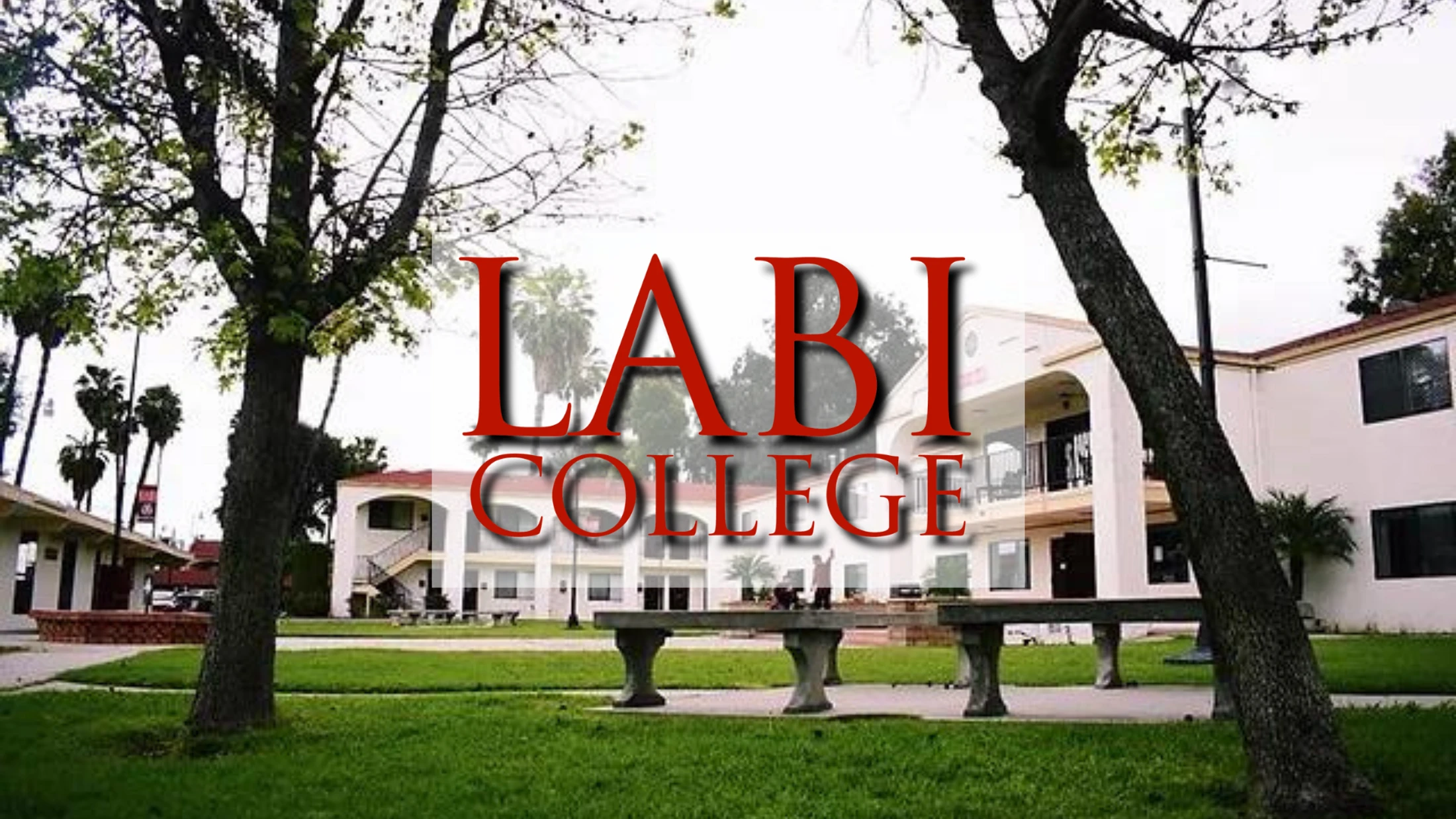
Latin American Bible Institute
La Puente, CAprivate nonprofitlabi.edu/
- Acceptance rateThe share of applicants a college admits in a given year. A 10% acceptance rate means it admits about 1 in 10 applicants.
- 55%
- Undergrad enrollment
- 111
- Net priceWhat a family actually pays after grants and scholarships are subtracted from the sticker price — usually far less than the published cost.
- $10,030
- In-state tuition
- $14,050
- Out-of-state tuition
- $14,050
- Location
- La Puente, CA
- Room & Board
- $9,800
- Acceptance Rate
- 55-68%
- Total Enrollment
- ~78
- Single Major Offered
- Theology/Theological Studies
- Annual Tuition & Fees
- $25,150
- 6-Year Graduation Rate
- 24-33%
- Federal Grant Aid Recipients
- 100%
Quick answers
- What is the acceptance rate at Latin American Bible Institute?
- Latin American Bible Institute's acceptance rate is approximately 55% (La Puente, CA), based on the most recent figures we compiled from public and primary sources.
- How much does Latin American Bible Institute cost?
- At Latin American Bible Institute, the average net price (after aid) is about $10,030 per year. Actual cost varies with financial aid and residency.
- How many undergraduates attend Latin American Bible Institute?
- Latin American Bible Institute enrolls approximately 111 undergraduate students.
- Where is Latin American Bible Institute located?
- Latin American Bible Institute is located in La Puente, CA.
The Latin American Bible Institute (LABI) in La Puente, CA, is a small, Pentecostal-focused institution training students in theology and ministry with a strong emphasis on Hispanic leadership. With an acceptance rate hovering around 55-68%, LABI offers an intimate, service-driven academic environment where spiritual formation and practical ministry skills take center stage. Its tight-knit community of about 78 students thrives on mentorship and cultural diversity, though graduation rates remain low at 24-33%.
Admissions
LABI’s admissions process is moderately selective, with Acceptance rateThe share of applicants a college admits in a given year. A 10% acceptance rate means it admits about 1 in 10 applicants. ranging from 55% to 68%, depending on the source. For the Class of 2026, the institute admitted 12 out of 22 applicants, evenly split between male and female students. The school does not enforce an open-admission policy, and while average GPA data is sparse, its small applicant pool suggests a personalized review process. Notably, LABI’s selectivity is higher than many two-year colleges, positioning it as a niche choice for students committed to Pentecostal theological studies.
Sources
- Common Data Set: Home
- Latin American Bible Institute - Sallie
- Latin American Bible Institute College Majors Data
- [PDF] Common Data Set 2025-2026 - Calvin University
- Common Data Set (CDS) - Institutional Research - UMHB
- Latin American Bible Institute Graduation Rate & Demographics
- Latin American Bible Institute - Varsity Tutors
- Latin American Bible Institute Acceptance Rate - College Raptor
- Latin American Bible Institute — Acceptance Rate, Costs & More
- LABI College - Niche
- Latin American Bible Institute Admissions 2026 - Find My Orbit