Loading…
← All schools
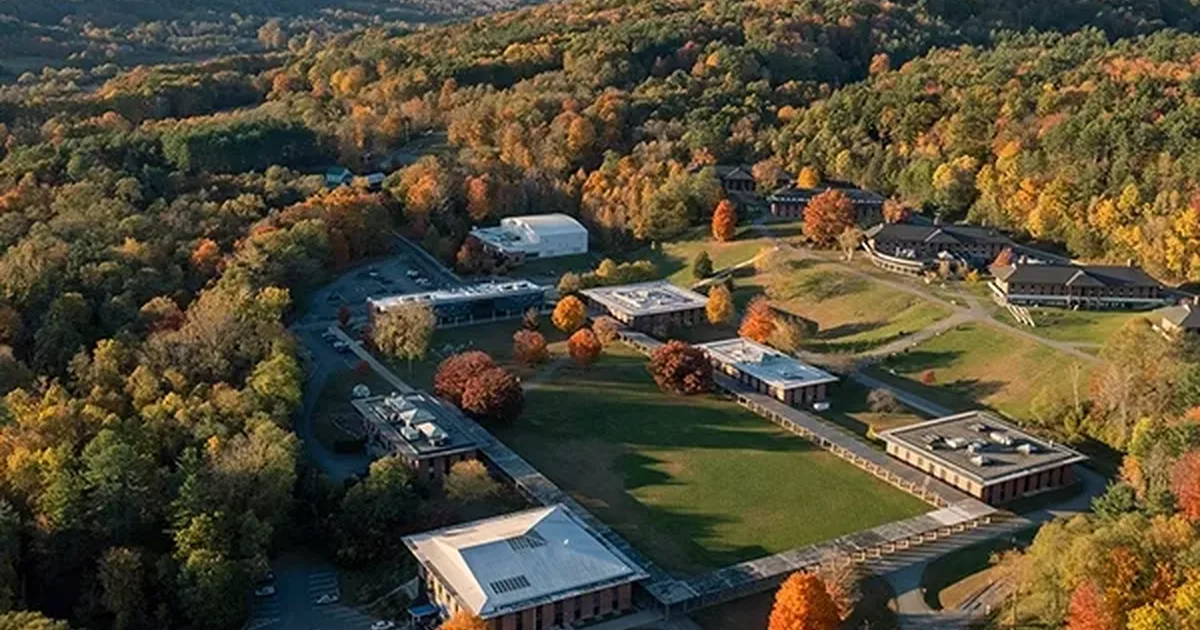
Landmark College
Putney, VTprivate nonprofitwww.landmark.edu/
- Acceptance rateThe share of applicants a college admits in a given year. A 10% acceptance rate means it admits about 1 in 10 applicants.
- 49%
- Undergrad enrollment
- 455
- Net priceWhat a family actually pays after grants and scholarships are subtracted from the sticker price — usually far less than the published cost.
- $56,954
- In-state tuition
- $66,540
- Out-of-state tuition
- $66,540
- Location
- Putney, VT (rural)
- Acceptance Rate
- 49%
- Undergrad Enrollment
- 598 (Fall 2023)
- Net Price (After Aid)
- $57,640
- Student-Faculty Ratio
- 7:1
- Avg Financial Aid Package
- $31,350
- Graduation Rate (4-yr avg)
- 35%
- Median Alumni Income (1 yr)
- $36,427
Quick answers
- What is the acceptance rate at Landmark College?
- Landmark College's acceptance rate is approximately 49% (Putney, VT), based on the most recent figures we compiled from public and primary sources.
- How much does Landmark College cost?
- At Landmark College, the average net price (after aid) is about $56,954 per year. Actual cost varies with financial aid and residency.
- How many undergraduates attend Landmark College?
- Landmark College enrolls approximately 455 undergraduate students.
- Where is Landmark College located?
- Landmark College is located in Putney, VT.
Landmark College is the only accredited institution in the U.S. designed exclusively for neurodivergent students—those with learning disabilities, ADHD, or autism. With a 49% acceptance rate and a hyper-focused mission, it offers a rare blend of academic rigor and tailored support, though its $57K+ price tag and 35% graduation rate underscore the challenges of its specialized model.
Admissions
Landmark College maintains a 49% acceptance rate (from 447 applicants in recent cycles), positioning it as selective but accessible within its niche. The school follows a rolling admissions process but encourages applicants to submit materials within recommended timeframes. Notably, it does not require SAT/ACT scores, focusing instead on supporting documentation for students who learn differently. The application fee is $75.
Sources
- Landmark College Overview - CollegeData
- Landmark College - DFR Report HTML - Department of Education
- Public Disclosure - Landmark College
- Common Data Set: Home
- Landmark College - BigFuture College Search
- Decoding the Common Data Set What You Need to Know for Your ...
- Landmark College Admissions - BigFuture College Search
- Landmark College Admissions - U.S. News & World Report
- Landmark College Tuition, Acceptance Rate, & Academics - Sallie
- Landmark College Admissions & Acceptance - Niche
- First-Year Enrollment - Landmark College