Loading…
← All schools
Kentucky Mountain Bible College
Jackson, KYprivate nonprofitkmbc.edu
- Acceptance rateThe share of applicants a college admits in a given year. A 10% acceptance rate means it admits about 1 in 10 applicants.
- 100%
- SAT 25th-75th percentileThe middle range of SAT scores for admitted students: a quarter scored below the low number and a quarter scored above the high number.
- 948–1126
- Undergrad enrollment
- 69
- Net priceWhat a family actually pays after grants and scholarships are subtracted from the sticker price — usually far less than the published cost.
- $9,337
- In-state tuition
- $10,360
- Out-of-state tuition
- $10,360
- Location
- Jackson, KY
- Top Programs
- Ministerial Studies, Biblical Studies
- Notable Quirk
- Regular 'fast and prayer services'
- Net Price/Year
- $11,160
- Acceptance Rate
- 100% (per Data USA) or ~36%–48% (others)
- Graduation Rate
- 50%
- 4-Year Cost Estimate
- $65,720
Quick answers
- What is the acceptance rate at Kentucky Mountain Bible College?
- Kentucky Mountain Bible College's acceptance rate is approximately 100% (Jackson, KY), based on the most recent figures we compiled from public and primary sources.
- What SAT score do you need for Kentucky Mountain Bible College?
- Admitted students at Kentucky Mountain Bible College typically score 948–1126 on the SAT (the middle-50% range). Scores outside this band are still admitted, especially with strong applications.
- How much does Kentucky Mountain Bible College cost?
- At Kentucky Mountain Bible College, the average net price (after aid) is about $9,337 per year. Actual cost varies with financial aid and residency.
- How many undergraduates attend Kentucky Mountain Bible College?
- Kentucky Mountain Bible College enrolls approximately 69 undergraduate students.
- Where is Kentucky Mountain Bible College located?
- Kentucky Mountain Bible College is located in Jackson, KY.
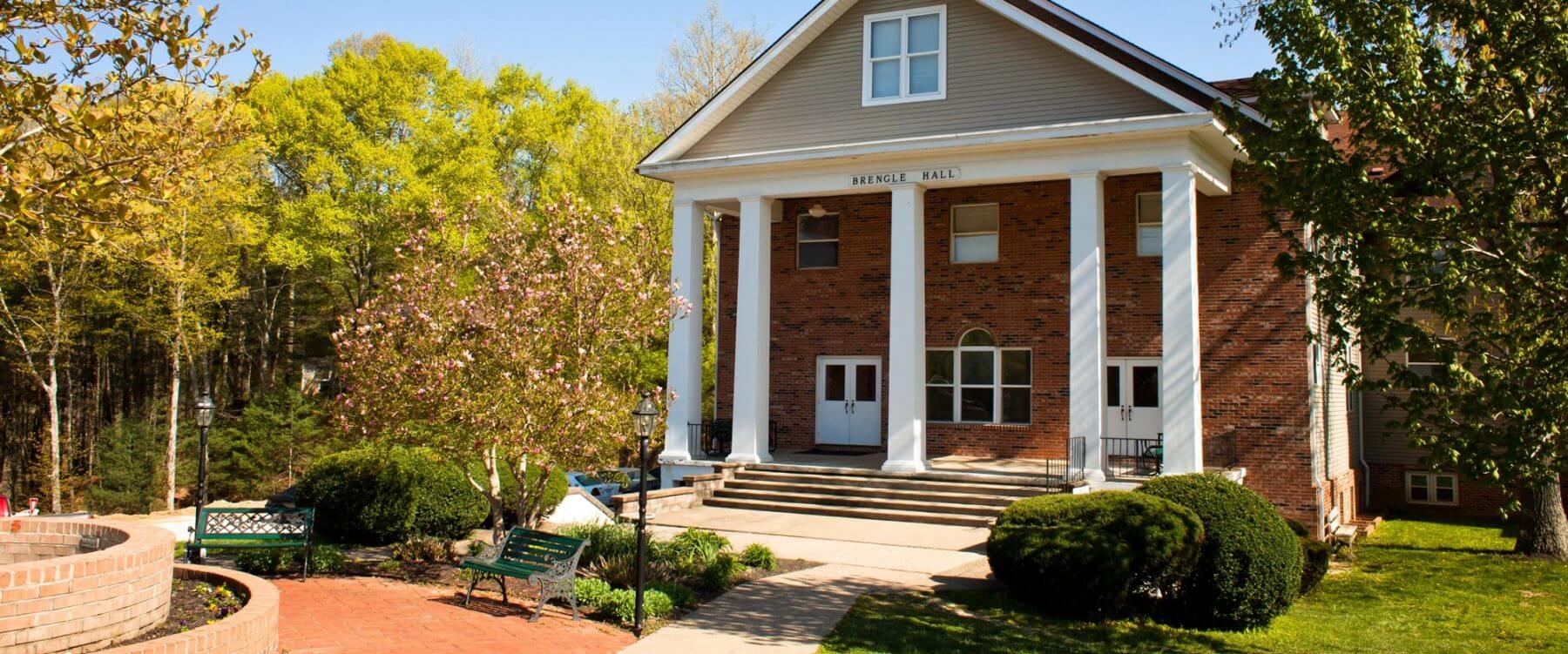
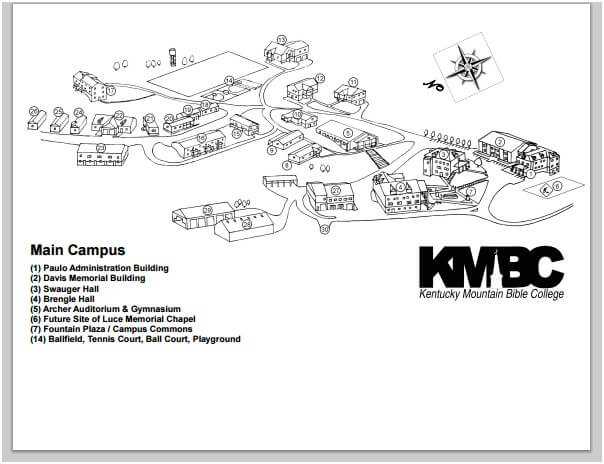
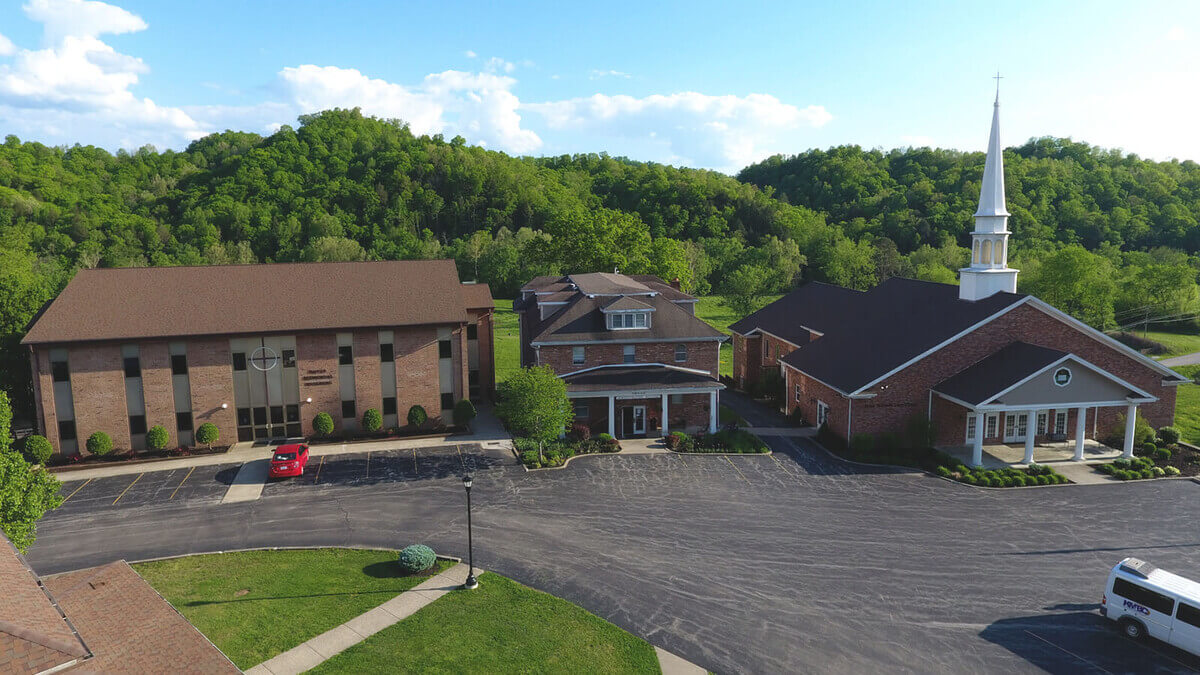
Kentucky Mountain Bible College (KMBC) is a tiny, ultra-affordable Christian college in rural Jackson, Kentucky, where spiritual formation is the core curriculum. With a 100% acceptance rate (per some sources) and a graduation rate hovering around 50%, KMBC attracts students committed to ministry, offering intensive biblical training and a cloistered, prayer-heavy campus life. Its claim to fame? Being ranked #1 in Kentucky for religious studies—and possibly the only college where 'fast and prayer services' are a staple of student activities.
Admissions
KMBC’s admissions process is decidedly uncompetitive—some sources report a 100% acceptance rate (31 out of 31 applicants in 2024), while others suggest more selectivity (35.7%–48.23%). The college requires a minimum 2.0 high school GPA, an essay, and a transcript, but standardized test scores are flexible. The $25 application fee is a bargain compared to most colleges, aligning with KMBC’s ethos of accessibility for aspiring ministers. Notably, the school doesn’t appear in Common Data Set (CDS)A standardized report most colleges publish each year with admissions, test-score, and financial-aid figures, making schools easier to compare. reports, likely due to its open-admission leanings or small size.
- Acceptance rate: Discrepant data (100% per Data USA, ~36%–48% elsewhere)
- Minimum GPA: 2.0
- Application fee: $25
- Test-optional? Unclear—sources conflict on whether SAT/ACT is required
Sources
- [PDF] ACADEMIC CATALOG - Kentucky Mountain Bible College
- Common Data Set: Home
- Kentucky Mountain Bible College - Data USA
- Kentucky Mountain Bible College - Tuition and Acceptance Rate
- Financial Information - KMBC | Affordable & Quality College Education
- [PDF] Common Data Set 2022-2023 - IRADS - University of Kentucky
- Kentucky Mountain Bible College SAT Scores and GPA
- Kentucky Mountain Bible College - Niche
- Kentucky Mountain Bible College Admissions - BigFuture
- Kentucky Mountain Bible College - Admissions - MeetYourClass