Loading…
← All schools
KD Conservatory College of Film and Dramatic Arts
Dallas, TXprivate forprofitkdstudio.com
- Acceptance rateThe share of applicants a college admits in a given year. A 10% acceptance rate means it admits about 1 in 10 applicants.
- 68%
- Undergrad enrollment
- 70
- Net priceWhat a family actually pays after grants and scholarships are subtracted from the sticker price — usually far less than the published cost.
- $24,783
- In-state tuition
- $20,521
- Out-of-state tuition
- $20,521
- Majors Offered
- 3 (Acting, Film Production, Musical Theatre)
- Program Length
- 15 months
- Acceptance Rate
- 52-68% (varies by year)
- Graduation Rate
- 72-81%
- Average Net Price
- $24,148
- Student Body Size
- ~71 undergraduates
- Student-Faculty Ratio
- 10:1
- Median Alumni Earnings
- $23,483 (6 years post-grad)
Quick answers
- What is the acceptance rate at KD Conservatory College of Film and Dramatic Arts?
- KD Conservatory College of Film and Dramatic Arts's acceptance rate is approximately 68% (Dallas, TX), based on the most recent figures we compiled from public and primary sources.
- How much does KD Conservatory College of Film and Dramatic Arts cost?
- At KD Conservatory College of Film and Dramatic Arts, the average net price (after aid) is about $24,783 per year. Actual cost varies with financial aid and residency.
- How many undergraduates attend KD Conservatory College of Film and Dramatic Arts?
- KD Conservatory College of Film and Dramatic Arts enrolls approximately 70 undergraduate students.
- Where is KD Conservatory College of Film and Dramatic Arts located?
- KD Conservatory College of Film and Dramatic Arts is located in Dallas, TX.
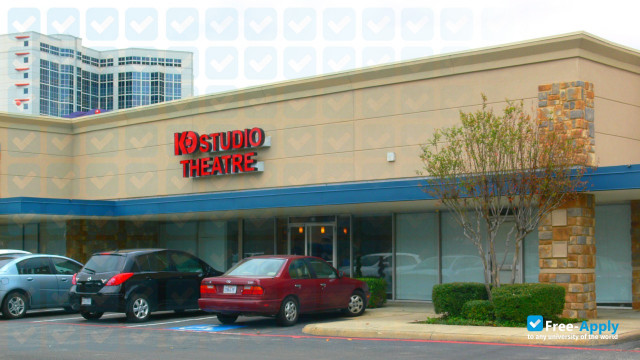
KD Conservatory College of Film and Dramatic Arts is a tiny, hyper-focused acting and film school in Dallas where students train like professionals—fast. With just three majors, a 10:1 student-faculty ratio, and a 15-month degree program, it’s a no-frills bootcamp for performers and filmmakers who want industry skills without the liberal arts detours. Graduates earn less than the national average, but for those committed to the grind, it’s a pragmatic launchpad.
Admissions
Getting into KD Conservatory isn’t the hurdle—sticking it out is. Acceptance rateThe share of applicants a college admits in a given year. A 10% acceptance rate means it admits about 1 in 10 applicants. swing wildly by year (from 52% to 100% for women in one cohort), but the school consistently admits about two-thirds of applicants. In 2024, it accepted 68.2% of undergrads (30 out of 44 applications). The tiny student body—just 71 undergrads in 2020—means cohorts are intimate, with 49-79 students typically enrolling annually. Notably, female applicants had a 100% acceptance rate in at least one cycle, per Peterson’s. No word on standardized test requirements, but with such small numbers, auditions and portfolios likely carry more weight than GPAs.
Sources
- KD Conservatory College of Film and Dramatic Arts | Data USA
- KD Conservatory College of Film and Dramatic Arts
- KD Conservatory College of Film and Dramatic Arts (off-campus)
- KD Conservatory College of Film and Dramatic Arts - Peterson's
- KD Conservatory College of Film and Dramatic Arts - Sallie
- KD Conservatory College of Film and Dramatic Arts - Overgrad
- KD Conservatory College Of Film And Dramatic Arts Admissions
- KD Conservatory College of Film and Dramatic Arts Acceptance ...
- KD Conservatory College of Film and Dramatic Arts