Loading…
← All schools
John Carroll University
University Heights, OHprivate nonprofitjcu.edu/
- Acceptance rateThe share of applicants a college admits in a given year. A 10% acceptance rate means it admits about 1 in 10 applicants.
- 81%
- SAT 25th-75th percentileThe middle range of SAT scores for admitted students: a quarter scored below the low number and a quarter scored above the high number.
- 1180–1330
- Undergrad enrollment
- 2,274
- Net priceWhat a family actually pays after grants and scholarships are subtracted from the sticker price — usually far less than the published cost.
- $28,746
- In-state tuition
- $50,500
- Out-of-state tuition
- $50,500
- ACT Middle 50%
- 25–32
- SAT Middle 50%
- 1180–1330
- Acceptance Rate
- 81%
- Notable Rankings
- #3 Student Counseling (The Princeton Review)
- On-Campus Living
- 60%
- Merit Scholarships
- $18K–$30K/year
- Avg High School GPA
- 3.77
Quick answers
- What is the acceptance rate at John Carroll University?
- John Carroll University's acceptance rate is approximately 81% (University Heights, OH), based on the most recent figures we compiled from public and primary sources.
- What SAT score do you need for John Carroll University?
- Admitted students at John Carroll University typically score 1180–1330 on the SAT (the middle-50% range). Scores outside this band are still admitted, especially with strong applications.
- How much does John Carroll University cost?
- At John Carroll University, the average net price (after aid) is about $28,746 per year. Actual cost varies with financial aid and residency.
- How many undergraduates attend John Carroll University?
- John Carroll University enrolls approximately 2,274 undergraduate students.
- Where is John Carroll University located?
- John Carroll University is located in University Heights, OH.
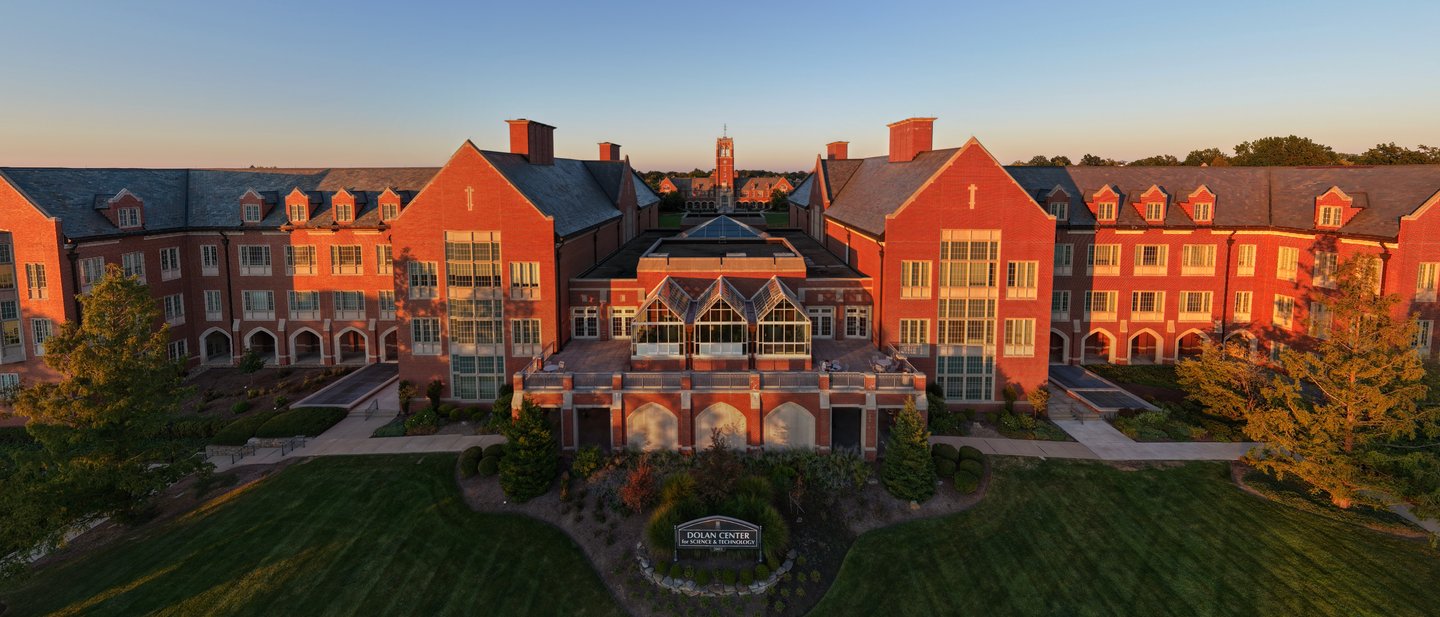
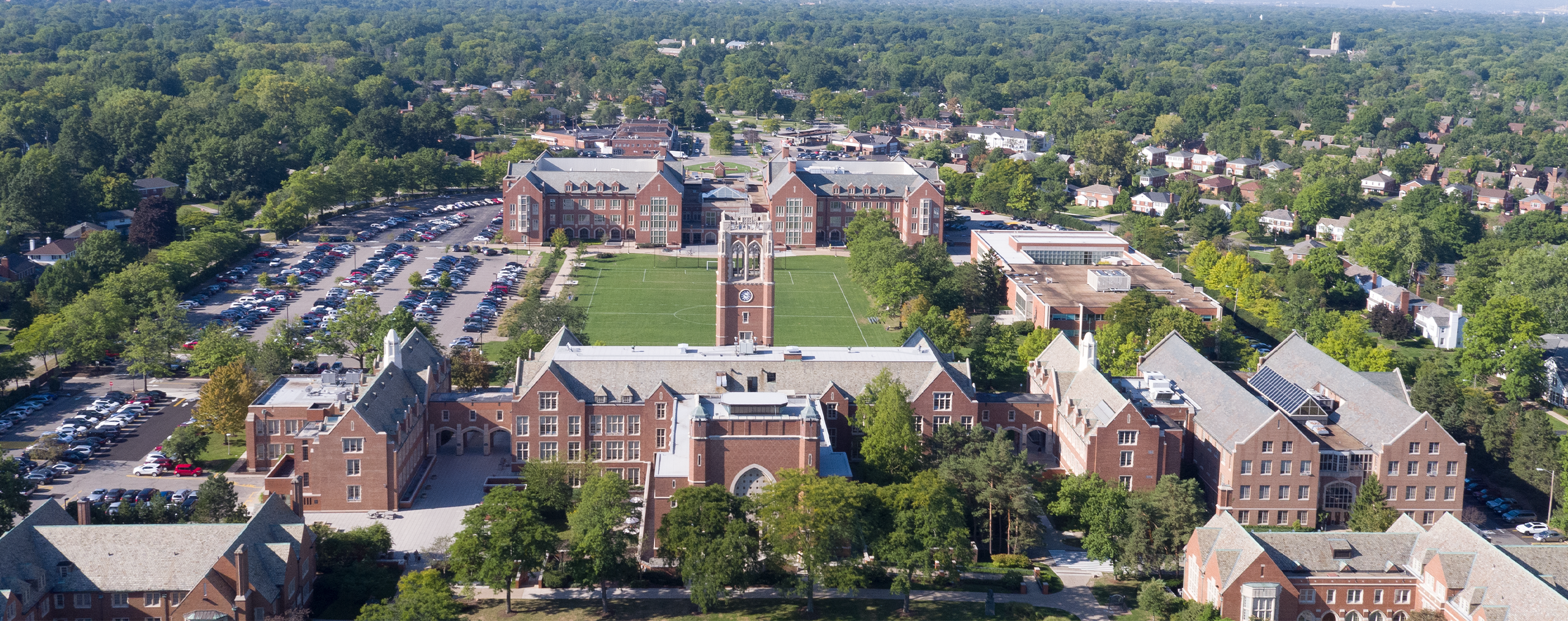
John Carroll University is a Jesuit liberal arts powerhouse tucked into the leafy Cleveland suburb of University Heights, where 3,000 students dive into 70+ majors with a 14:1 student-faculty ratio. Known for its tight-knit community (91% say on-campus living fosters belonging) and strong graduation outcomes (76% rate, top 20% nationally), JCU blends rigorous academics with Cleveland's urban opportunities—all while doling out $25M+ annually in merit aid to make its $71K sticker price more manageable.
Admissions
John Carroll's admissions process leans accessible, with an 81% acceptance rate (3,740 admitted from 4,623 applicants in recent cycles). The middle 50% of enrolled students hit 1180–1330 on the SAT or 25–32 on the ACT, with an average high school GPA of 3.77. Test-optionalA policy where you choose whether to submit SAT or ACT scores. If you don't, the rest of your application carries more weight. since at least 2025, JCU accepts the Common App and operates on rolling admissions—though early action applicants make up 30% of the incoming class. Notably, 70% of students come from Ohio, reinforcing its regional draw.
Sources
- Office of Institutional Effectiveness | John Carroll University
- John Carroll University - IPEDS - Department of Education
- Service - Institutional Data Request - TeamDynamix
- Policies and Consumer Information | John Carroll University
- John Carroll University | US News Best Colleges
- John Carroll University Overview - CollegeData
- John Carroll University Admissions - BigFuture College Search
- John Carroll University SAT Scores and GPA - PrepScholar
- John Carroll University - Tuition and Acceptance Rate - Peterson's
- John Carroll University Admissions & Acceptance - Niche